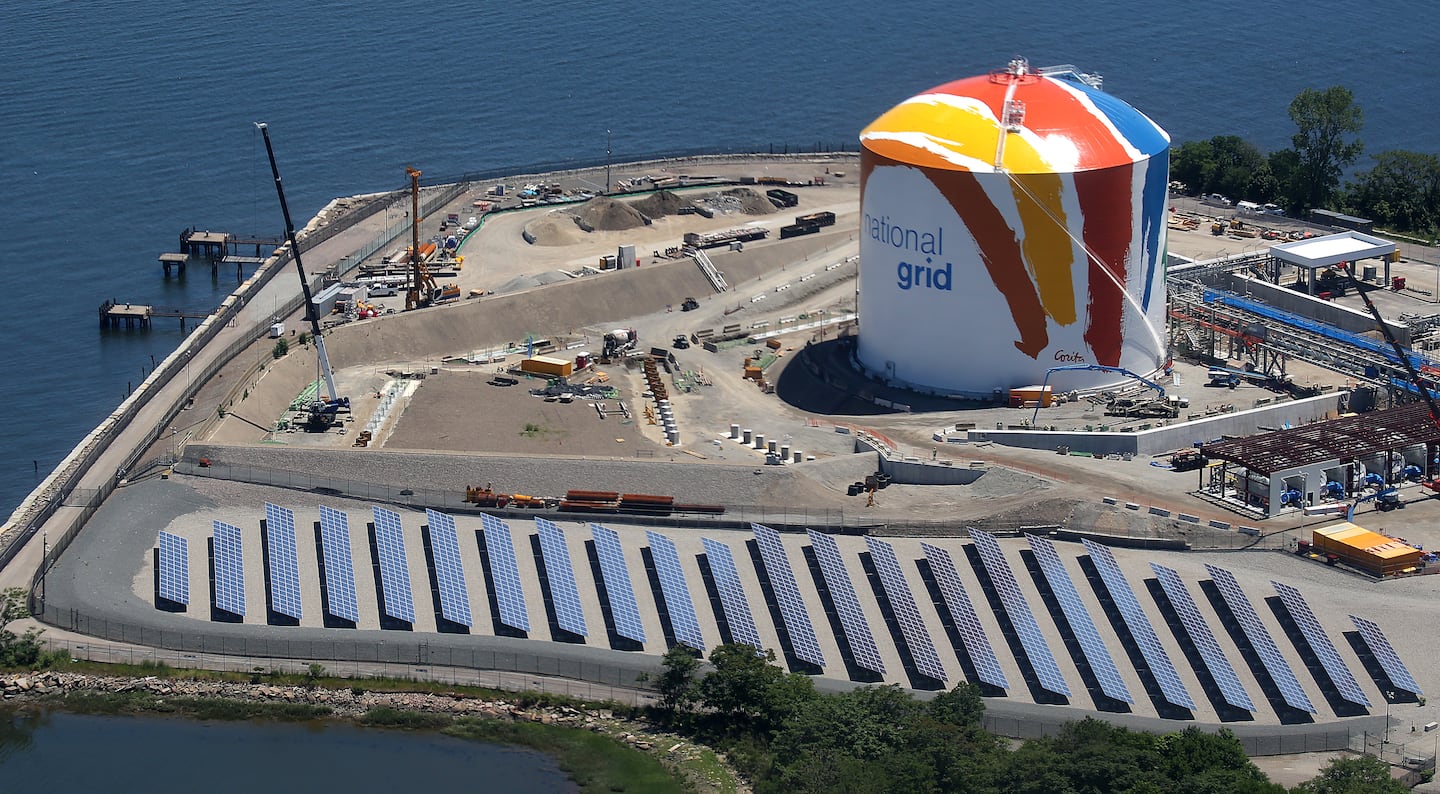
UPDATE: National Grid has just announced a controversial proposal to increase its natural gas base rates by an average of 10 percent, intensifying the energy affordability crisis impacting households across Massachusetts. This urgent development follows a staggering request from Liberty Utilities to raise gas rates by an average of 55 percent in the Fall River area, highlighting the severe financial strain on residents already grappling with high energy costs.
As communities brace for these rising costs, the impacts of this proposal are immediate and alarming. Experts warn that the reliance on volatile fossil fuels is a primary contributor to skyrocketing energy prices. Cynthia Mendes, Massachusetts Director of Clean Water Action, emphasizes that this strategy prioritizes fossil fuel distribution over essential decarbonization efforts, amounting to fiscal irresponsibility at a time when affordability is paramount.
“This proposed rate hike is a detrimental move for residents who are already struggling to pay for energy,” Mendes stated. “It perpetuates a cycle where profits are privatized while risks and costs are shifted to everyday people.”
The urgency of this situation cannot be overstated. Residents in environmental justice communities, who already allocate a disproportionate share of their income to energy, will face even greater challenges. The state must pivot towards sustainable energy solutions that not only reduce costs but also protect public health and create jobs.
Since its inception in 2010, the Mass Save program has generated over $34 billion in benefits, creating thousands of local jobs and reducing reliance on costly, polluting gas sources. As Massachusetts leaders continue to address energy affordability, the focus must shift towards enhancing clean energy investments and ensuring efficiency upgrades are widely accessible.
Additionally, in August 2025, the Department of Public Utilities issued a significant order ending ratepayer-funded subsidies for new gas line extensions. Now, new customers, with few exceptions, must cover the full cost of their connections — averaging around $9,000 per home. This policy shift is part of a broader strategy to achieve net-zero carbon emissions by 2050.
In light of these developments, experts argue that instead of investing in outdated gas infrastructure, regulators should mandate the transition to proven technologies like heat pumps. These innovations can drastically reduce emissions, mitigate climate disruption, and stabilize long-term energy costs for residents.
The push for a cleaner, more equitable energy future is critical. As Massachusetts grapples with these urgent decisions, residents and leaders alike are calling for immediate action to protect vulnerable communities and ensure that energy costs do not continue to escalate.
This is a developing story. Stay tuned for the latest updates on National Grid’s proposal and its implications for Massachusetts households.