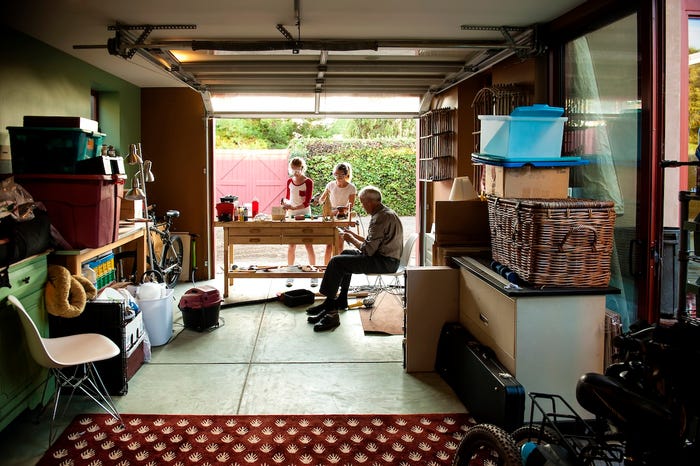
UPDATE: The landscape of American living arrangements is rapidly changing, with a significant surge in multigenerational households. New reports from Pew Research reveal that the number of people living in these settings has quadrupled from 7% in 1971 to 18% in 2021, as soaring living costs drive families to cohabitate.
As inflation rises and housing prices soar, many Americans are opting to move back in with family, while a growing group of solo-agers—those without children or immediate family—face challenges finding suitable living arrangements. According to the National Association of Realtors, homebuyers are increasingly seeking properties designed for multigenerational living, reflecting a shift in housing preferences.
Latest data shows that families are capitalizing on the benefits of shared living, including reduced rent and mortgage payments, along with savings on childcare and eldercare costs. This arrangement is proving essential for combating social isolation, particularly among older adults.
“There are more and more solo-agers who didn’t have children or no longer have relationships with their children,” said Bob Kramer, founder of the National Investment Center for Seniors Housing and Care. He emphasizes the growing need for community among these individuals, who face increased loneliness without family support.
Intergenerational living is emerging as a promising solution. This concept includes both traditional multigenerational households and newly designed communities that foster interaction among people of varying ages. For instance, a recent report highlighted One Flushing in Queens, New York, a mixed-income complex that features 231 apartments, with 66 reserved for older residents and shared spaces for community engagement.
While these developments reflect a significant shift in living arrangements, challenges remain, especially for middle-income families. Many earn too much to qualify for government assistance yet struggle to afford market-rate housing. “The concern is that we don’t have many options for modest-income folks,” noted Robyn Stone, a senior vice president at LeadingAge, a nonprofit advocating for aging services.
Despite the growing trend, experts caution that intergenerational living solutions may not suit everyone. Individual needs and preferences vary widely, and some may hesitate to share their homes with others. “I don’t think I would want to open my house to anybody if I were living alone,” Stone added, highlighting the need for more intentional community designs as one ages.
As families navigate these new living dynamics, the question remains: How will the increasing trend of multigenerational living impact the future housing market? What innovative solutions will emerge to address the needs of solo-agers and middle-income families?
The need for community and connection is more pressing than ever. If you have experiences to share about multigenerational or intergenerational living, reach out to this reporter at [email protected].
Stay tuned for more updates on this developing story as more families embrace the shift towards shared living arrangements in the face of rising costs.