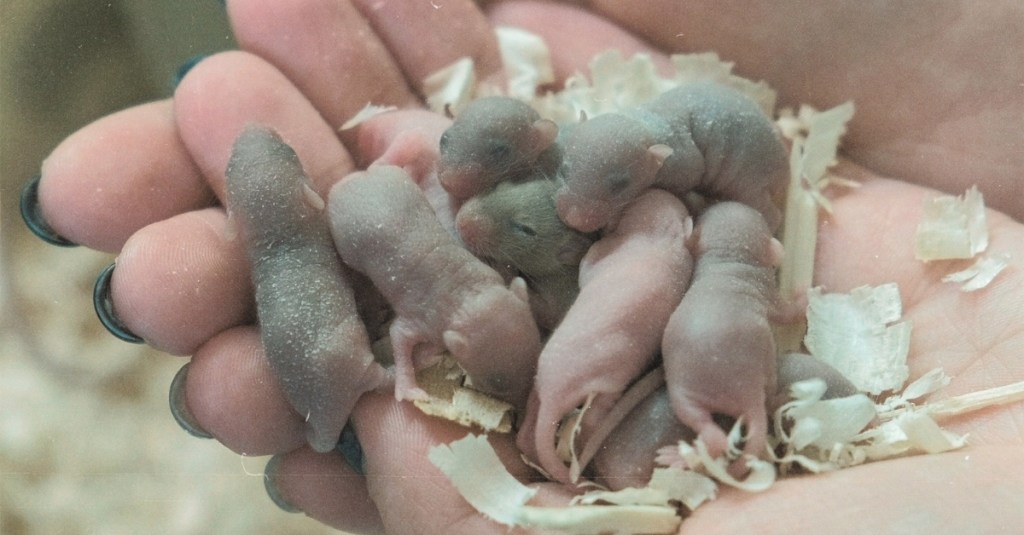
UPDATE: A female mouse has given birth to nine pups after returning from a groundbreaking mission in space, marking a significant milestone for studies on reproduction beyond Earth. This momentous event occurred on December 10, 2023, following the mouse’s two-week journey aboard China’s Shenzhou-21 mission, which launched on October 31 and orbited approximately 400 kilometers above Earth.
The birth of these pups, with six surviving, raises crucial questions about the viability of mammalian reproduction in space environments. Researchers at the Chinese Academy of Sciences confirm that this successful outcome suggests short-term spaceflight did not adversely affect the mouse’s reproductive capabilities.
Wang Hongmei, a key researcher in this study, emphasized the importance of these findings, stating that understanding reproduction in microgravity is critical for future long-term human missions, such as potential trips to Mars. Mice serve as valuable analogs for human biology, making their reproductive success a key indicator for broader implications in astrobiology.
The mission itself faced challenges, including an unexpected extension of the mice’s orbital stay, raising concerns about their food supplies. Ground teams swiftly adapted, testing emergency rations and ultimately providing soy milk as a backup food source. An AI system continuously monitored the mice’s activity and health, ensuring they maintained a regulated day-night cycle similar to Earth’s.
As researchers now closely observe the litter, they aim to track growth patterns and physiological changes, seeking to identify any long-term effects that space exposure may have on the pups. The ultimate goal is to assess their reproductive capabilities in the future, providing insights into whether mammals can successfully reproduce in space over generations.
While this single birth does not definitively prove that mammals can gestate and give birth in reduced gravity, it rules out one dire possibility. For humanity’s ambitions of establishing long-term settlements beyond Earth, ensuring that reproduction remains viable is paramount. This remarkable birth offers a glimmer of hope that space does not immediately disrupt this essential biological function.
As this research unfolds, the implications of a mouse giving birth after returning from space resonate deeply, not only within the scientific community but also for the future of human exploration. The excitement surrounding this event underscores the importance of continued investigations into life beyond our planet.