URGENT UPDATE: A groundbreaking gene hunt has unveiled critical insights into how brain cells form, with implications for understanding various neurodevelopmental disorders. Researchers at The Hebrew University of Jerusalem announced these findings on January 5, 2026, revealing the pivotal role of hundreds of genes, including the newly identified PEDS1, linked to a previously unknown condition affecting children.
This extensive research, led by Prof. Sagiv Shifman, utilized advanced CRISPR gene-editing technology to systematically disable nearly 20,000 genes in embryonic stem cells. The team aimed to identify genes essential for the earliest stages of brain development. Their efforts resulted in the identification of 331 critical genes necessary for the proper formation of neurons.
Among the most significant discoveries was the identification of PEDS1, crucial for producing plasmalogens, which are vital for myelin—the protective layer surrounding nerve fibers. The absence of PEDS1 disrupts brain growth and impairs nerve cell formation, leading to developmental delays and a smaller brain size in affected children. Genetic testing revealed that children with severe developmental symptoms carried rare mutations in this gene.
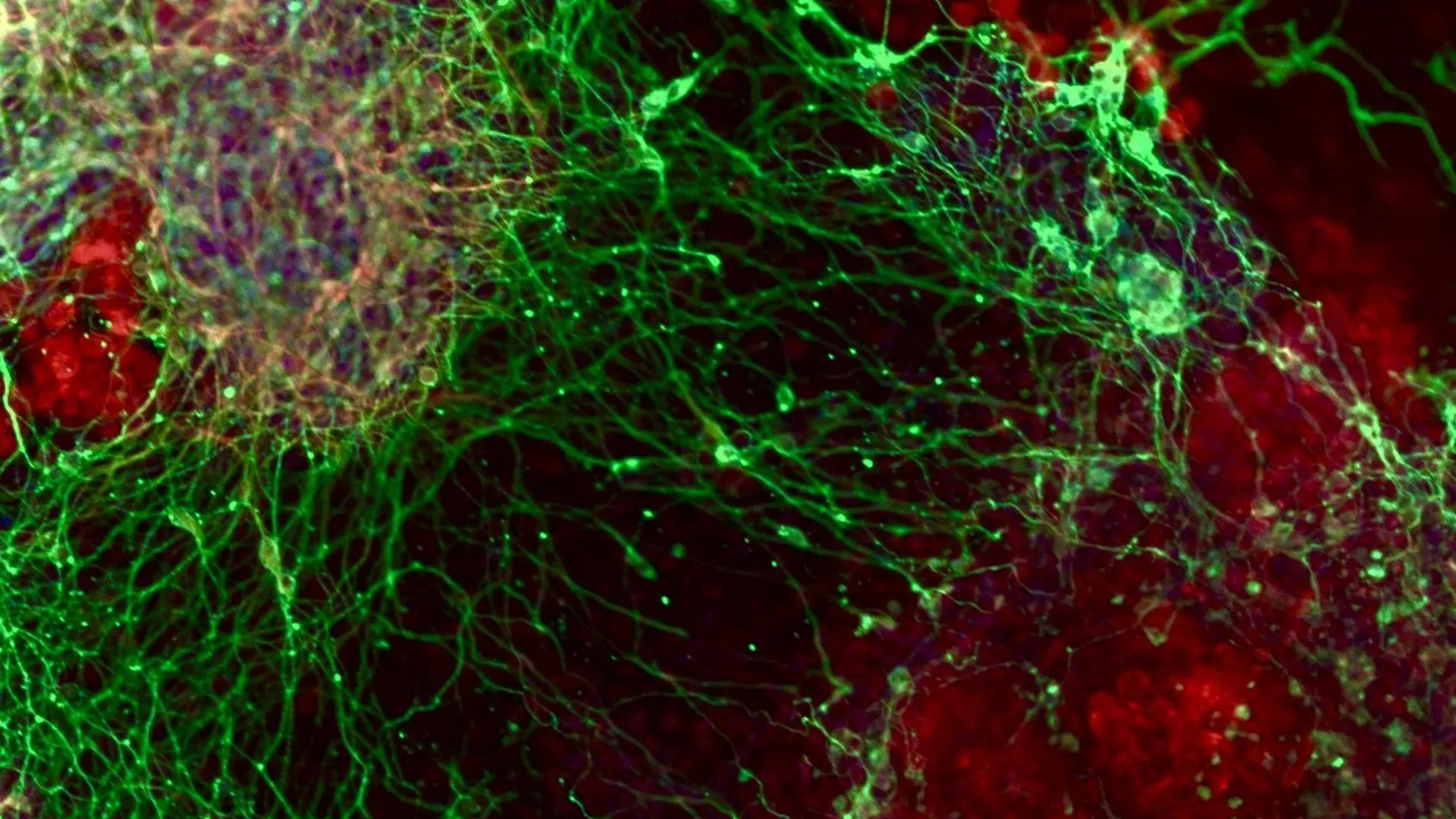
The researchers confirmed the role of PEDS1 through experimental models, which demonstrated that its loss directly hinders brain development. “By tracking the differentiation of embryonic stem cells into neural cells, we created a map of the genes essential for brain development,” Prof. Shifman stated. This research not only elucidates the genetic basis of neurodevelopmental disorders but also paves the way for improved diagnostics and potential treatments.
As the study advances, it also sheds light on the inheritance patterns of these disorders. Genes controlling other genes are often linked to dominant disorders, while metabolic gene conditions like those associated with PEDS1 tend to be recessive. This understanding could help prioritize which genes to investigate further for their links to diseases such as autism and developmental delays.
In a move to foster collaboration and further research, the team has launched an open online database, enabling global researchers to access and explore their findings. The database can be found at this link.
With these findings, the research team aims to redefine our understanding of brain development and its genetic underpinnings. This breakthrough opens avenues for targeted genetic counseling and interventions that could significantly impact families affected by neurodevelopmental disorders.
The implications of this research are profound, offering hope for better diagnosis and potential therapies for conditions like autism and developmental delays. As scientists continue to unravel the complexities of brain development, this study stands as a key milestone in the quest to understand and treat neurodevelopmental disorders effectively.
Stay tuned for more updates on this developing story as researchers continue to explore the genetic landscape of brain development.