UPDATE: The Larimer County bison herd is making significant strides in restoring purebred bison across the United States. As of November 1, 2025, this innovative conservation project has successfully shipped around 200 healthy bison to various herds nationwide, helping to revitalize the iconic species that once roamed the Great Plains in massive numbers.
This urgent initiative, spearheaded by Colorado State University (CSU) in collaboration with local governments and the U.S. Department of Agriculture, was established following a historic decline of the American bison due to overhunting and habitat loss. Today, the program is crucial for both ecological balance and cultural revitalization, especially for Native American tribes seeking to reconnect with their heritage.
The project began a decade ago when CSU researchers developed a method to breed purebred bison free from brucellosis, a livestock disease that has plagued the Yellowstone bison population. Professor Jennifer Barfield utilized advanced reproductive techniques to ensure healthy calves, paving the way for the creation of a robust “seed herd” in Larimer County.
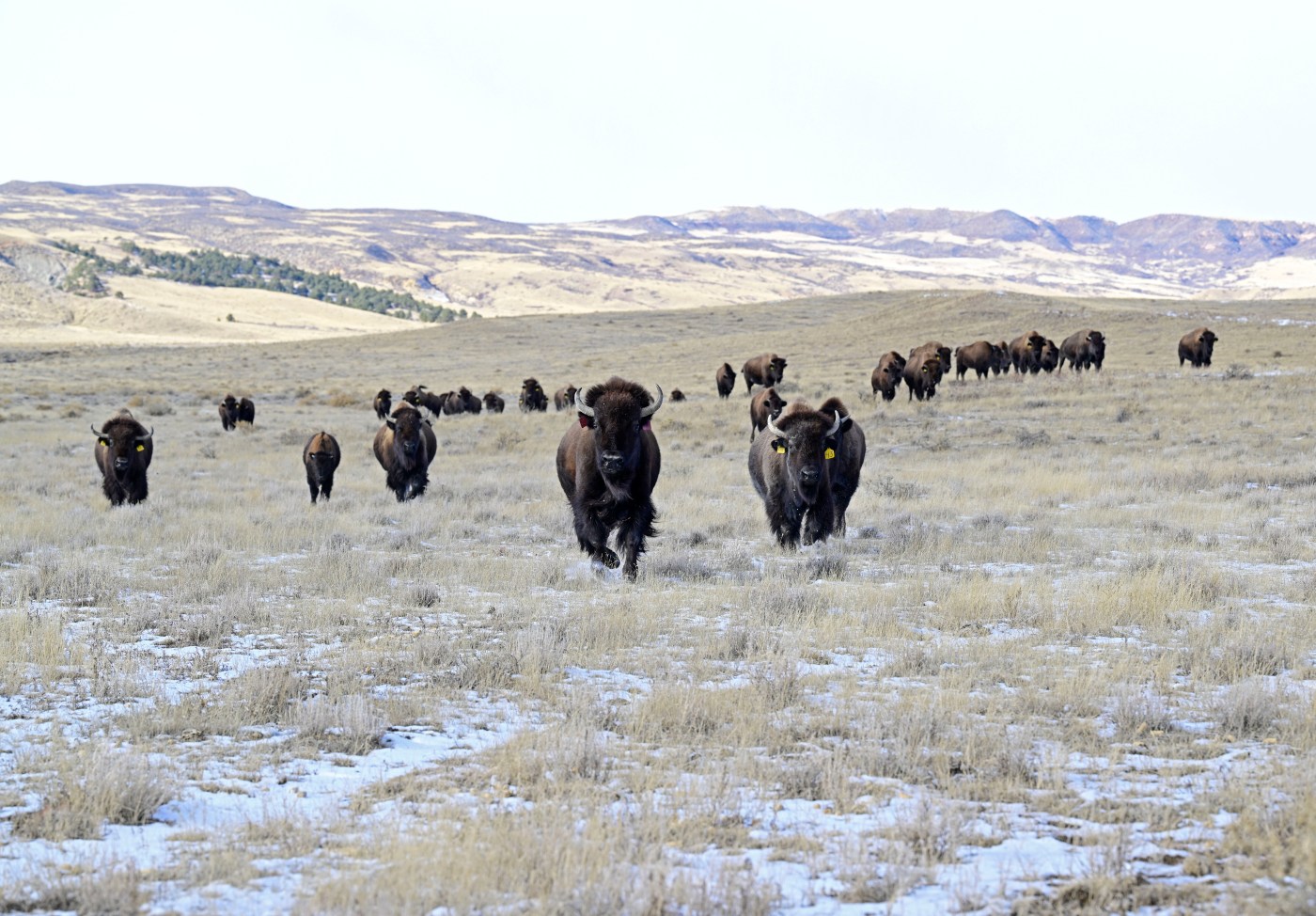
Currently, the herd consists of 59 bison, including 29 adults and 30 calves, thriving within a special 2,700-acre habitat in the Soapstone Prairie Natural Area, near Fort Collins. This land, designated for bison conservation, has allowed the animals to grow and flourish since their release in 2015.
The impact of this herd is profound. Bison are recognized as a keystone species, essential for maintaining the health of grassland ecosystems. Their return not only restores biodiversity but also brings cultural significance to many communities. “For many communities, it can be a revitalization of the land and culture,” Barfield emphasized, highlighting the emotional and spiritual connection people have with these majestic creatures.
Matt McCollum, the bison manager at CSU, regularly visits the herd to ensure their well-being, providing them with supplemental food and maintaining their natural environment. His close interactions with the bison foster a unique bond, showcasing the importance of this conservation effort. “When you see bison on that landscape, it feels very similar to how it was 150 years ago when they were common and wild,” said Meegan Flenniken, Larimer County’s Land Conservation Manager.
As the herd continues to grow and adapt, the project managers are committed to sharing these purebred bison with other conservation efforts across the country. The vision is clear: to see these majestic animals roam freely once again, bringing ecological balance and cultural enrichment to the regions they inhabit.
What’s Next: The ongoing success of the Larimer County bison project serves as a model for similar initiatives nationwide. As conservationists and tribal leaders work together, the hope is to see even more bison reintroduced to their native habitats, restoring their populations and significance to the American landscape. Keep an eye on this developing story as updates on the herd’s growth and impact continue to unfold.