URGENT UPDATE: House Republicans are racing against the clock to finalize a health care plan before the looming December 31 deadline, when critical subsidies for the Affordable Care Act (ACA) are set to expire. Without immediate action, millions of Americans face skyrocketing insurance premiums in the New Year.
The pressure intensifies as House Speaker Mike Johnson, R-La., and GOP leaders struggle to unify their party on a proposal that prioritizes conservative reforms while potentially omitting vital ACA extensions. “We need to come up with something,” declared Rep. Ralph Norman, R-S.C., after a closed-door meeting, reflecting the urgency of the situation.
Complicating matters, Republicans in vulnerable districts are demanding a bipartisan solution that includes extending ACA subsidies to shield their re-election chances in the 2026 Midterms. The stakes are high; failing to act could lead to significant electoral losses for the GOP, a scenario Rep. Jeff Van Drew, R-N.J., warns against, stating, “Allowing the subsidies to lapse is not an option.”
Latest reports confirm that GOP leadership is leaning towards a plan that offers some funds to help reduce health care costs without extending the ACA subsidies. This approach has already sparked backlash within the party, particularly from moderates who argue that an extension is necessary to maintain their political standing. During discussions, Rep. Jim Jordan, R-Ohio, cautioned that excluding ACA funding could lead to moderates teaming up with Democrats to force a vote through a discharge petition, undermining conservative goals.
Johnson aims to hold a floor vote on a GOP plan next week, just before Congress breaks for a two-week holiday. Among the proposals discussed were expanding health savings accounts and funding for cost-sharing reductions, which Johnson referred to as “low-hanging fruit.” However, many members acknowledge that a comprehensive overhaul of the ACA will require far more time and consensus than currently exists.
Republicans are increasingly aware of the implications of their decisions. A group of fifteen House Republicans, primarily from swing districts, recently endorsed a bipartisan framework led by Reps. Jen Kiggans, R-Va., and Josh Gottheimer, D-N.J., that seeks to extend ACA subsidies for two years with modifications. This plan is gaining traction, but it faces stiff opposition from the majority of the GOP, which remains staunchly against supporting “Obamacare.”
As the clock ticks down to the December deadline, all eyes are on whether Johnson’s leadership can navigate the contentious divide within the party. The potential for a discharge petition looms large, requiring a coalition of Republicans and Democrats to secure a vote on extending the ACA subsidies. Brian Fitzpatrick, R-Pa., is threatening to pursue this route if leadership fails to act swiftly.
Amidst the turmoil, Democrats are urging Republicans to take action immediately. California Rep. Ted Lieu criticized the GOP for not addressing the urgency of the situation sooner, emphasizing that without a resolution, health care premiums will inevitably surge. “We simply need to extend the ACA tax credits,” Lieu stated, pointing to the procedural hurdles that could delay any potential vote.
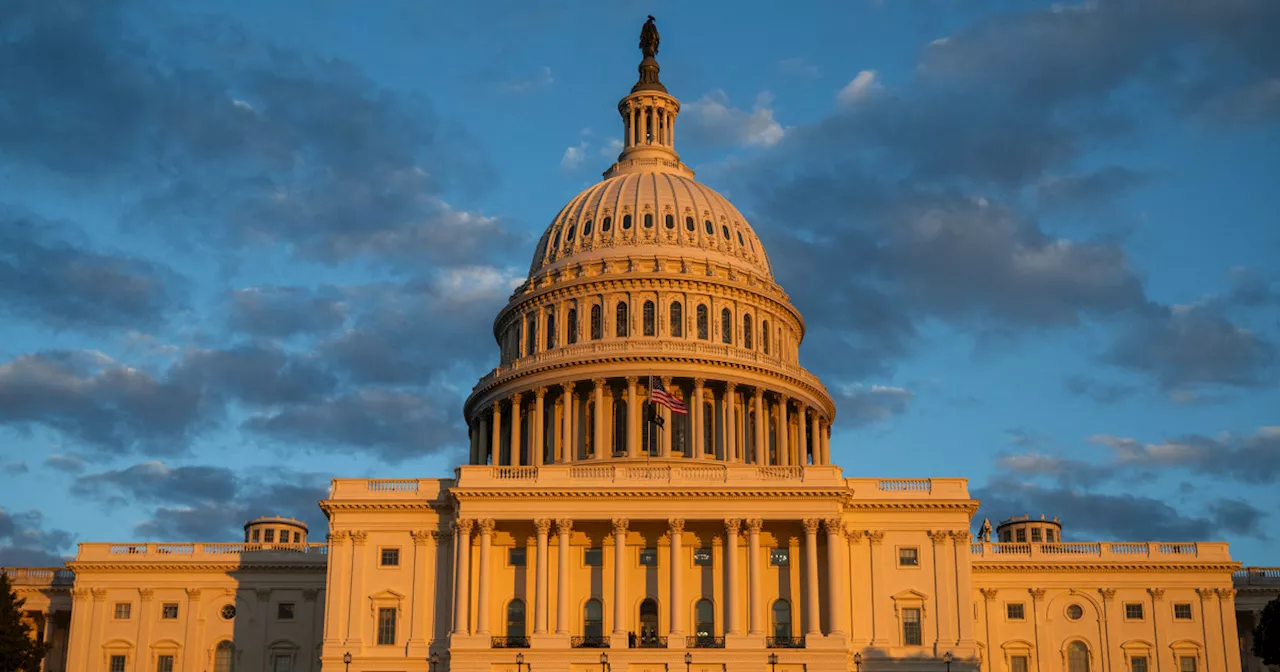
As House Republicans grapple with their options, the impact of their decisions will resonate far beyond the Capitol. The health care landscape for millions of Americans hangs in the balance, and the outcome of this legislative battle could define the political landscape leading into the critical midterm elections.
Keep an eye on developments as House Republicans strive to finalize their health care plan—and the potential repercussions that await if they fail to act.