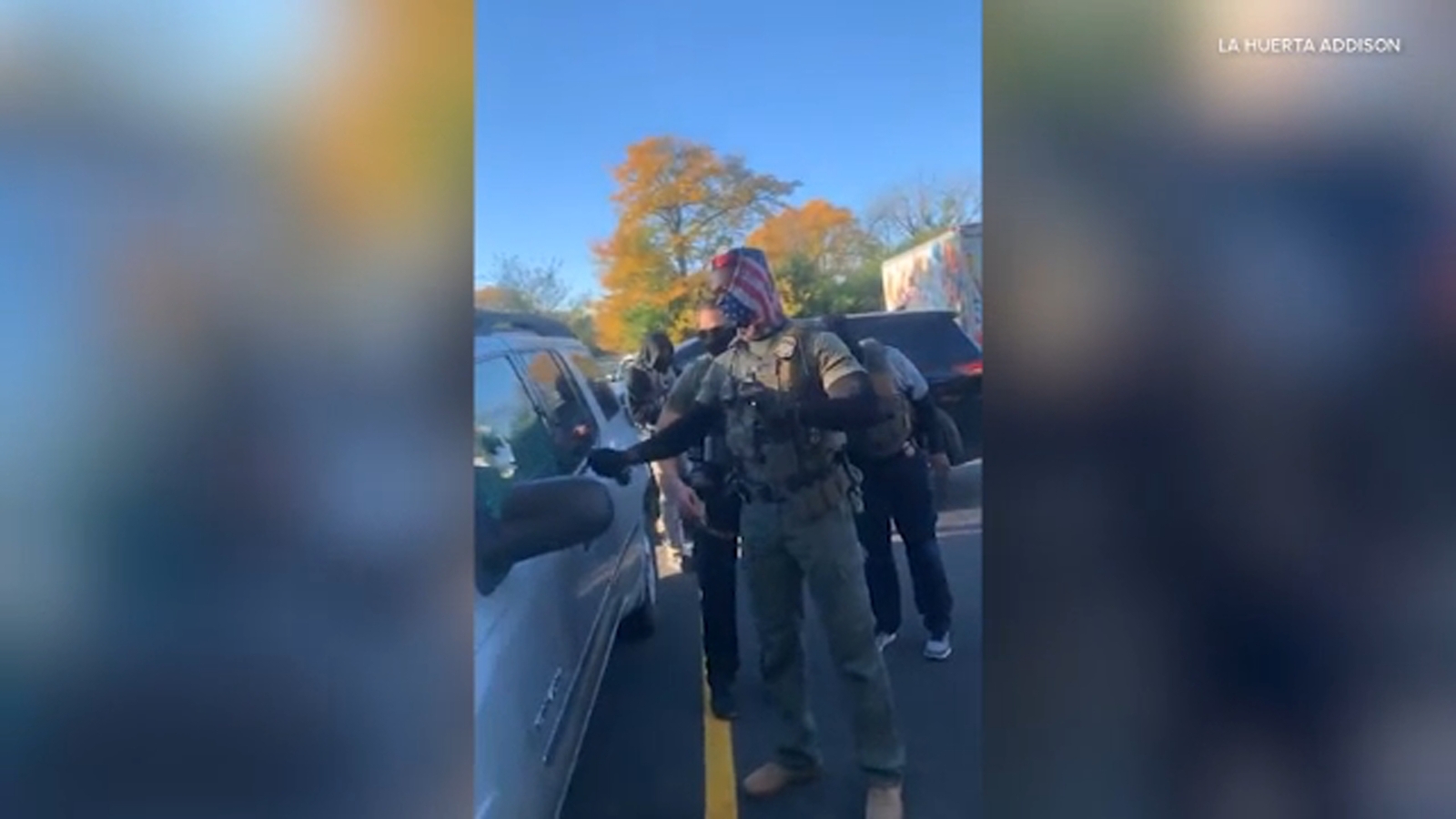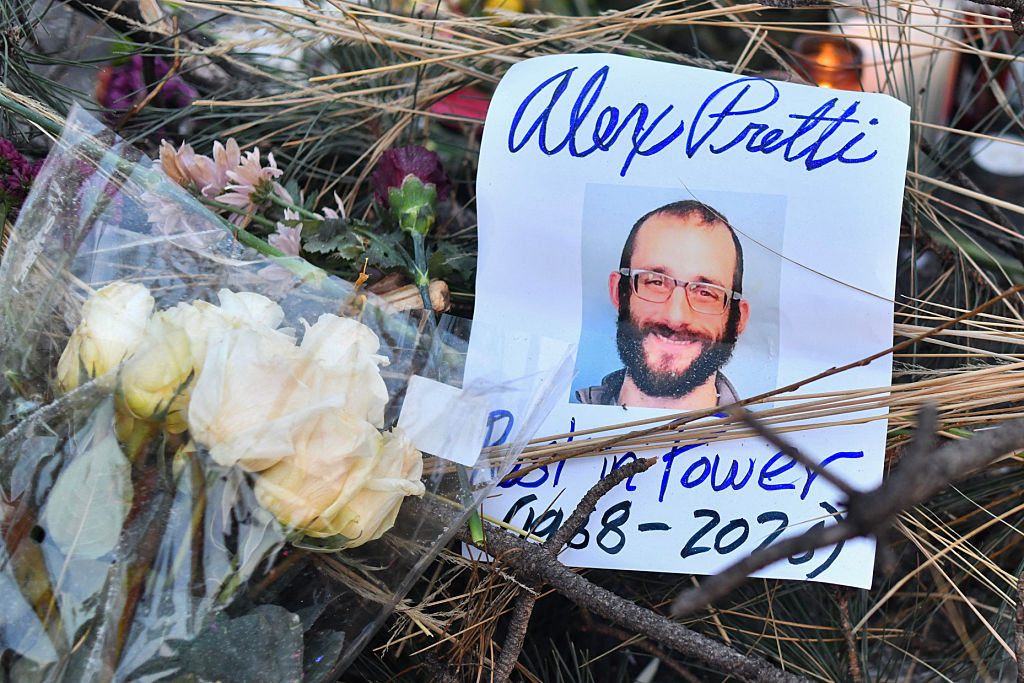
A federal immigration enforcement operation in south Minneapolis resulted in the death of Alex Jeffrey Pretti, a 37-year-old intensive care nurse, on March 15, 2024. Initial reports from federal officials claimed that a U.S. Border Patrol agent shot Pretti in self-defense after he allegedly approached officers with a handgun. However, evidence gathered from bystanders challenges this narrative.
Conflicting Accounts Emerge
Multiple videos analyzed by journalists depict Pretti holding what appears to be a cellphone moments before he was tackled and shot. Witnesses have stated that he did not pose a threat or lunge at the officers, contradicting the federal government’s claims. Following the incident, Minnesota officials expressed skepticism about the federal narrative, noting that state investigators faced challenges accessing the scene, even after a search warrant was issued.
Pretti was remembered by his parents and colleagues as a dedicated professional who devoted his career to caring for veterans and critically ill patients. He legally owned a firearm under Minnesota law and had no criminal record, details that federal officials have selectively highlighted to frame his death as unavoidable rather than preventable.
Public Outcry and Legislative Repercussions
This incident marks the third shooting involving federal agents in Minneapolis within a short timeframe, raising alarms about the use of lethal force by enforcement officers. Earlier this month, a similar situation occurred with the shooting of Renee Good, where federal officials also asserted that their agents acted appropriately. However, subsequent footage led to public outcry and raised questions about the justification for the use of deadly force.
“The pattern is unmistakable,”
said a local activist.
“Federal officials rush to justify lethal force, only for video evidence to contradict their claims.”
Within hours of Pretti’s death, protests erupted across Minneapolis, with demonstrators demanding accountability and calling for federal agents to withdraw from the city. Activists accused the Department of Homeland Security of attempting to manipulate public perception prior to the full disclosure of facts surrounding the incident. Despite adverse weather conditions, protests have persisted, reflecting deep-seated frustrations regarding federal law enforcement practices.
The implications of Pretti’s death extend beyond Minnesota. Lawmakers in Washington have referenced the incident in discussions about reconsidering funding for the Department of Homeland Security (DHS) and Immigration and Customs Enforcement (ICE). They argue that the agency’s use-of-force policies and the lack of transparency necessitate urgent scrutiny. Conversely, some officials have defended the agents involved, asserting that they face increasing danger in their operations.
The ongoing investigations into this matter raise critical questions about accountability, transparency, and the reliability of official narratives. As the public grapples with the fallout from this tragedy, Alex Pretti’s death serves as a stark reminder of the urgent need for reform in federal law enforcement practices. The recurring theme of conflicting narratives demands a thorough examination of the circumstances surrounding these incidents and the policies that govern the use of force.