UPDATE: In a surprising turn of events, Federal Reserve officials are publicly clashing over the future of monetary policy, casting doubt on a previously anticipated December rate cut. The rift emerged during last week’s Federal Open Market Committee meeting, where officials voted 10 to 2 to lower borrowing costs by a quarter percentage point, marking a historic division in rationale.
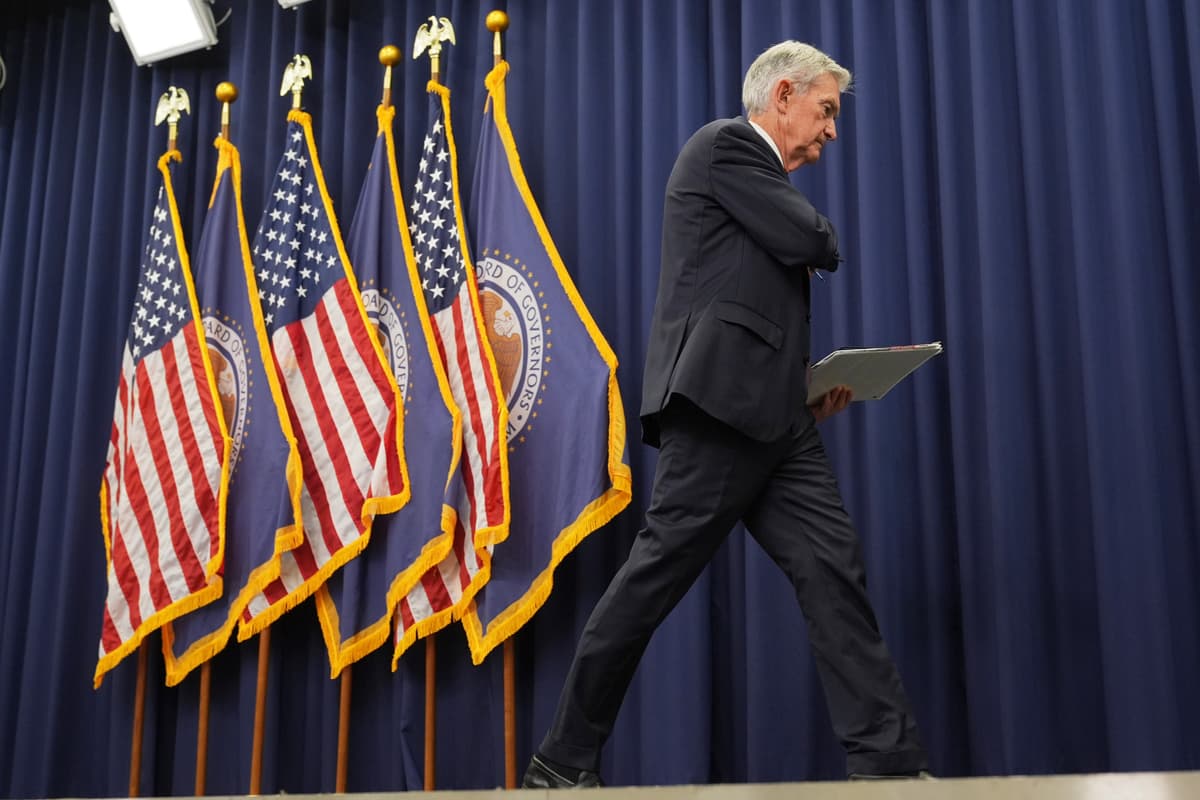
During a press conference following the meeting, Fed Chairman Jerome Powell acknowledged the unusual split, stating that officials hold “strongly differing views about how to proceed.” He emphasized that a December rate cut is “not a foregone conclusion. Far from it.” This unexpected uncertainty has led markets to reevaluate their expectations, now pricing in only a 65 percent chance of a rate cut next month, down from over 90 percent prior to Powell’s remarks.
The heart of the debate lies in balancing the risks of a weakening labor market against persistently high inflation. The ongoing government shutdown has complicated this task, halting the release of vital economic data. Newly appointed Fed Governor Stephen Miran has emerged as a leading dovish voice, advocating for further rate cuts to bolster the labor market.
In an interview with Yahoo Finance, Miran stated, “I think policy is too restrictive and that we’re too far above where neutral rates would be.” His call for action comes after private payroll data revealed that American companies added 42,000 jobs in October, exceeding economists’ expectations and reversing September’s decline. Miran described this report as “a welcome surprise,” yet maintained that moderating wages and softening labor demand justify lower rates.
Conversely, a growing number of Fed officials are taking a hawkish stance, opposing a December cut or urging caution. Lorie Logan, President of the Dallas Fed, Beth Hammack of the Cleveland Fed, and Raphael Bostic of the Atlanta Fed have all expressed discomfort with further easing amid elevated inflation levels.
Despite supporting last week’s cut, Austan Goolsbee, President of the Chicago Fed, voiced his concerns: “I’m nervous about the inflation side of the ledger, where you’ve seen inflation above the target for four and a half years, and it’s trending the wrong way.” He entered the December meeting “undecided,” reflecting the growing uncertainty among policymakers.
In a more moderated stance, Lisa Cook addressed the tension between the Fed’s dual mandate of maximizing employment and stabilizing prices. Speaking at the Brookings Institution, Cook warned, “Keeping rates too high increases the likelihood that the labor market will deteriorate sharply,” while cautioning that “lowering rates too much would increase the likelihood that inflation expectations will become unanchored.” She deemed the December meeting “live” for a possible cut, but refrained from making a commitment.
Echoing this sentiment, Mary Daly, President of the San Francisco Fed, called last week’s cut “insurance” against potential labor market weakness while keeping “an open mind” about December’s decisions. She stressed the importance of avoiding a scenario where inflation reaches 2 percent at the cost of millions of jobs.
As the Federal Reserve navigates this complex landscape, the upcoming December meeting is poised to be critical. Investors and markets will be closely watching for further signals from Fed officials as they grapple with the dual challenges of labor market stability and inflation control.
Stay tuned for more updates as this story develops.