UPDATE: The European Union has just announced a decisive action: it is freezing Russian assets in Europe indefinitely, ensuring that Hungary and Slovakia cannot veto the use of these funds for critical support to Ukraine. This move comes in the wake of ongoing tensions between EU nations and Russia, as the war in Ukraine enters its fourth year.
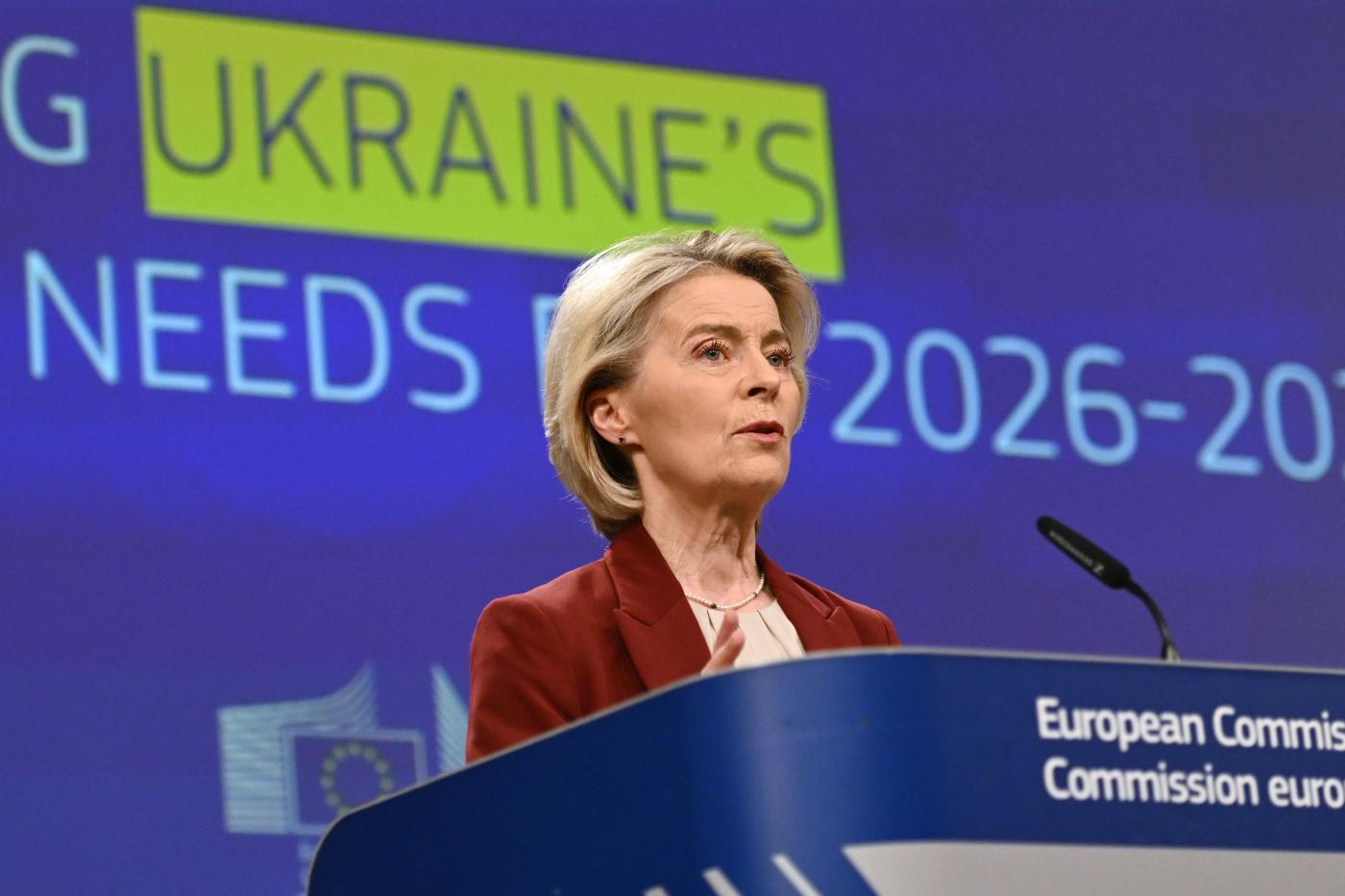
This urgent decision was made to prevent the estimated €210 billion ($247 billion) in Russian assets from being utilized in negotiations that could undermine Ukraine’s recovery efforts. The EU Council President António Costa stated, “Today we delivered on our commitment to keep Russian assets immobilized until Russia ends its war of aggression against Ukraine and compensates for the damage caused.”
The freeze is a strategic maneuver that allows EU leaders to discuss how to allocate these funds at a summit scheduled for December 18, 2025. This summit will focus on securing financial and military assistance for Ukraine over the next two years, a crucial period as the war continues to impose severe economic costs across Europe.
Hungarian Prime Minister Viktor Orban, a close ally of Russian President Vladimir Putin, has condemned the decision. He accused the European Commission of “systematically raping European law,” emphasizing that Hungary would fight to restore what he considers lawful order. Slovak Prime Minister Robert Fico echoed these sentiments, stating he would refuse to support any measures that would finance Ukraine’s military efforts. He warned that using frozen Russian assets could jeopardize U.S. peace initiatives aimed at rebuilding Ukraine.
The European Commission argues that the war has significantly impacted energy prices and economic growth within the EU, prompting the need for such drastic measures. So far, the EU has provided nearly €200 billion ($235 billion) in support to Ukraine. The recent asset freeze is expected to facilitate the next steps in ensuring Ukraine’s financial stability amidst ongoing hostilities.
In a letter to Costa, Fico expressed his concerns, stating, “The use of frozen Russian assets could directly jeopardize U.S. peace efforts.” Meanwhile, the Russian Central Bank has filed a lawsuit against Euroclear for the damages incurred due to the asset freeze.
This unprecedented decision by the EU illustrates an ongoing commitment to Ukraine while navigating complex political landscapes within the bloc. The implications of this move will be significant, both for the EU’s internal dynamics and for the ongoing war in Ukraine.
The international community is watching closely as discussions unfold at the upcoming summit. As the situation develops, the focus remains on how these frozen assets will be utilized to support Ukraine’s urgent needs and the broader implications for European unity in the face of external aggression.
Stay tuned for more updates on this developing story as the EU prepares for crucial discussions that could reshape its approach to the ongoing conflict.