UPDATE: Climate change is wreaking havoc on Italy’s famed burrata production as extreme weather continues to impact dairy farms. Authorities report that cheesemakers in Puglia, Italy’s essential cheese-producing region, are facing a dramatic decline in milk supply due to rising temperatures and severe droughts.
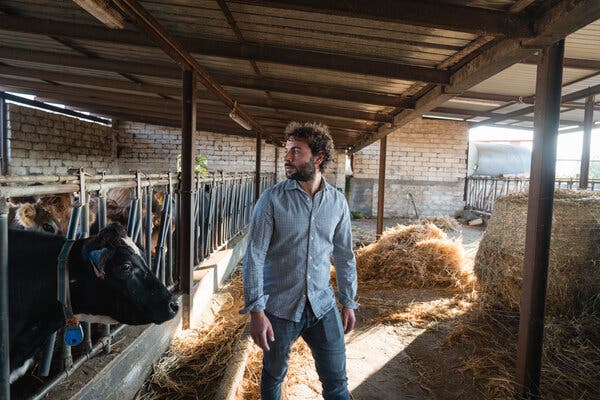
On a recent autumn afternoon, Angelantonio Tafuno, a fourth-generation cheesemaker, shared his urgent concerns about the future of his family business. The 32-year-old entrepreneur is shifting his production strategy to counteract the effects of climate change, which has made the survival of traditional cheese-making practices increasingly difficult.
Mr. Tafuno, who invested in 30 head of Podolica cows two years ago, explained that these cows produce significantly less milk than their more common counterparts. As the climate crisis intensifies, their milk output has plummeted, forcing local cheesemakers to adapt or risk losing their livelihoods. “Doing more with less has become necessary as climate change endangers our business,” he emphasized.
The situation is dire; extreme heat linked to global warming has not only led to catastrophic droughts and fires but has also caused a sharp decline in milk production across the region. For local producers, this means fewer raw ingredients available for making beloved cheeses like burrata and mozzarella, integral to Italy’s culinary identity.
In response, cheesemakers like Mr. Tafuno are exploring innovative approaches to cheese production. He is focusing on developing specialty aged cheeses that require significantly less milk, aiming to produce these limited varieties just a few months a year. This strategic pivot represents not just a business necessity, but a survival tactic amid the ongoing climate crisis.
The implications are profound for consumers and food enthusiasts worldwide who adore Italy’s artisanal cheeses. As cheesemakers adapt their practices, the availability of traditional burrata may decrease, potentially driving up prices and altering the landscape of Italian cuisine.
The crisis in Puglia serves as a stark reminder of the broader impacts of climate change on agriculture and food production. As farmers struggle against shifting weather patterns, the future of iconic foods hangs in the balance.
As the situation develops, attention will turn to how cheesemakers across Italy adapt to these challenges and whether consumers will be willing to pay more for the authentic taste of Puglia’s artisanal cheeses.
Stay tuned for updates on this critical issue as it unfolds, and consider supporting local cheesemakers facing these unprecedented climate-related challenges.