URGENT UPDATE: A groundbreaking report from Virginia-based research institute AidData reveals that China’s global lending portfolio has surged to an astonishing $2.1 trillion, dramatically reshaping the international financial landscape. This news, confirmed just moments ago, highlights China’s position as the world’s largest creditor, surpassing traditional powers in terms of diplomatic influence and strategic resources.
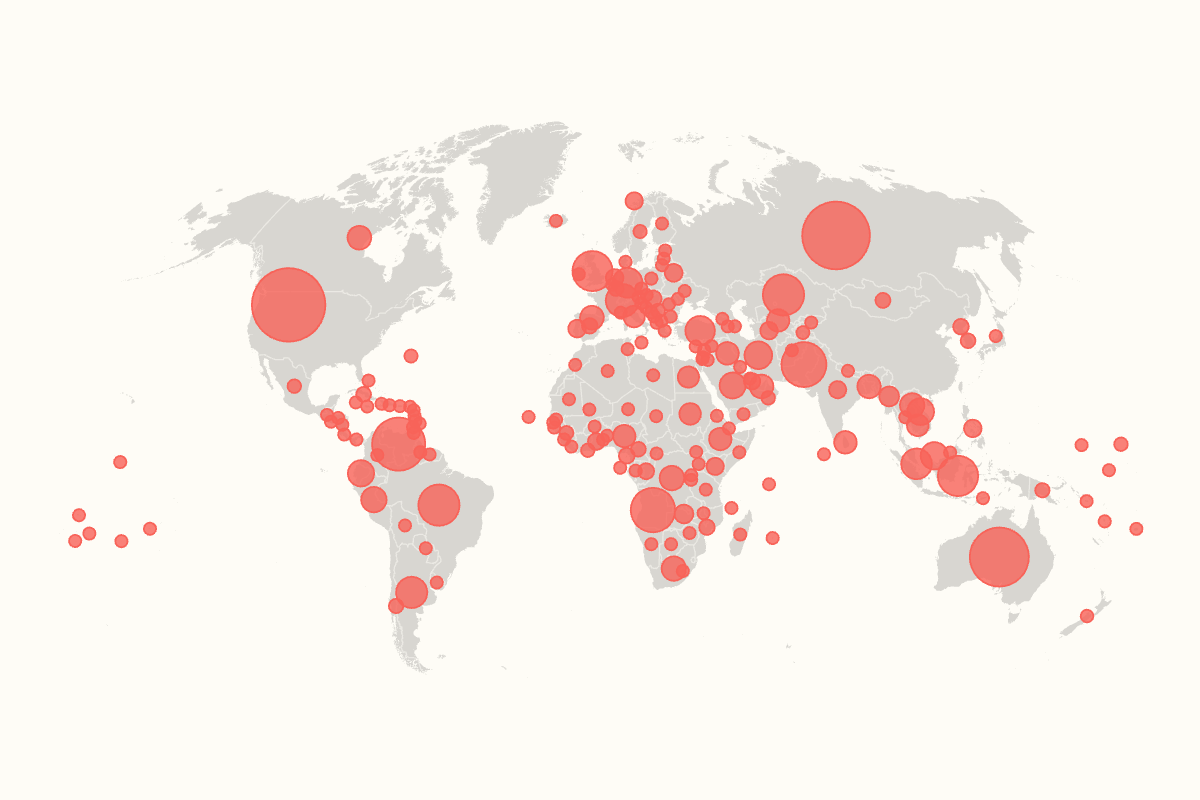
The report, based on an extensive three-year study tracking 30,000 projects across 217 countries, challenges long-held assumptions about China’s lending practices. Contrary to beliefs that these funds primarily support developing nations, the data indicates that 76 percent of loans were issued to high- and upper-middle-income countries. Among the top recipients, the United States leads with $202 billion tied to 2,500 projects nationwide, followed closely by Russia at $172 billion and Australia at $130 billion.
Critics have long labeled China’s aggressive lending strategy as “debt-trap diplomacy,” suggesting that the high repayment demands create financial distress in borrowing nations. However, Chinese officials vehemently reject this narrative, asserting that their overseas lending is founded on mutually beneficial principles. As Yang Baorong, director of African Studies at the Chinese Academy of Social Sciences, stated in the Global Times, “China’s financing focuses on infrastructure and capacity-building to enable self-reliance, not create dependency.”
The AidData findings come at a crucial time, as global powers including the U.S., Germany, and Japan must reassess their credit and aid strategies to compete with China’s expanding influence. Brad Parks, executive director of AidData, emphasized the significance of these revelations, noting, “This is an extraordinary discovery given that the U.S. has spent the better part of the last decade warning other countries of the dangers of accumulating significant debt exposure to China.”
As China’s lending continues to reshape international relations, experts predict that the implications for global diplomacy and economic strategy will be profound. With nearly half of the total loan value allocated to just five countries, including Venezuela with $105.7 billion and Pakistan with $75.6 billion, observers are keenly watching how these dynamics will evolve.
This urgent update underscores the need for all nations to remain vigilant and adaptable in the face of China’s rapid ascent as a global lender. As more countries engage with Beijing’s lending initiatives, the landscape of international aid and credit is being irrevocably transformed. Stay tuned for further developments on this critical issue.