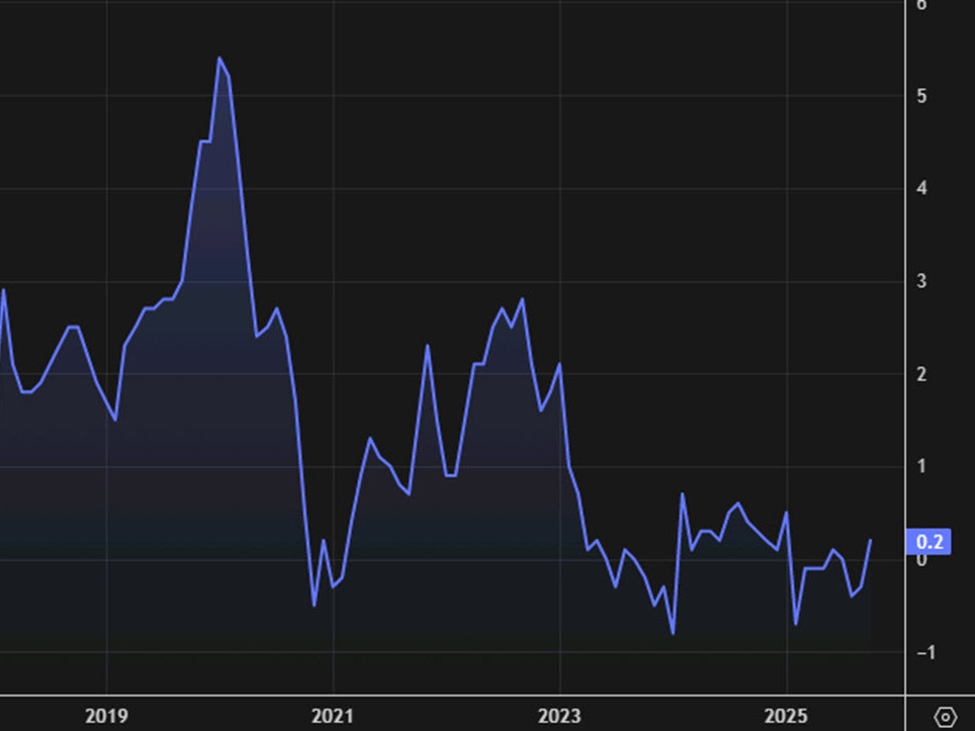
UPDATE: China has just reported a 0.7% surge in its Consumer Price Index (CPI) for November 2023, matching expectations. This is a significant increase from the previous month’s CPI, which showed a meager 0.2% rise.
However, the data also reveals troubling trends in the Producer Price Index (PPI), which has plunged to -2.2% year-over-year, indicating falling prices that could signal ongoing economic challenges. The PPI was expected to decline by -2.0%, raising concerns about deflationary pressures in the world’s second-largest economy.
The recent CPI figures show a slight improvement, but the persistent drop in PPI highlights a troubling economic landscape, prompting urgent discussions among analysts and policymakers. The implications of these figures are critical for both domestic and international markets, as they reflect consumer demand and manufacturing health.
Officials stress that while the CPI increase is a positive sign, the continuing decline in PPI could hinder economic recovery. The mixed results underscore the complexity of China’s current economic situation, as authorities work to stimulate growth amid global uncertainties.
What happens next? Analysts will closely monitor these trends in the coming weeks, seeking clarity on how the government will respond to these mixed signals. Investors are advised to stay alert for further announcements from China’s National Bureau of Statistics, which will provide additional context and guidance on future economic policies.
The urgency of these developments cannot be overstated. As China navigates its economic path, the global community watches closely, knowing that shifts in one of the largest economies can have cascading effects worldwide.