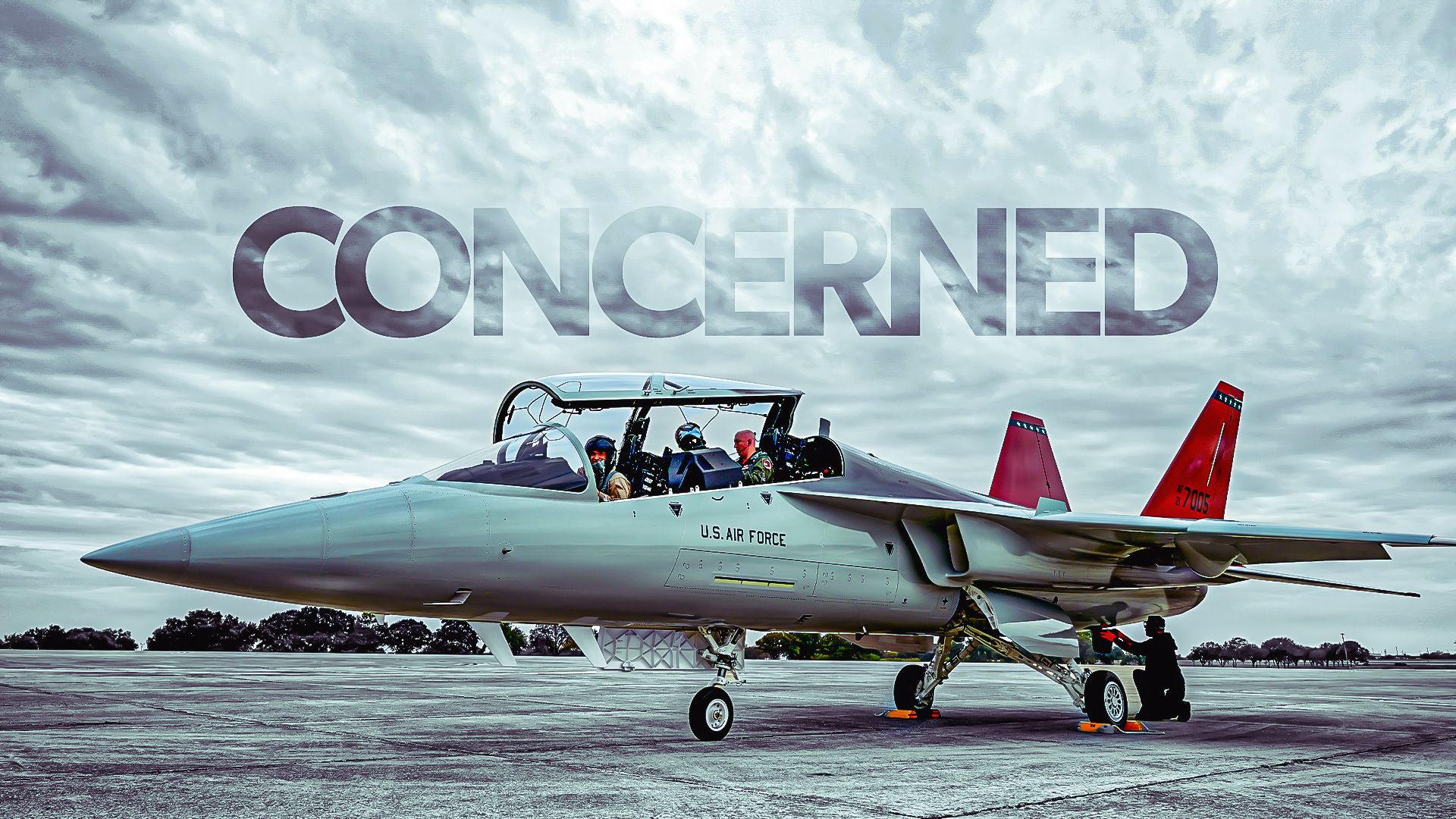
The United States Air Force is grappling with significant concerns regarding the Boeing T-7A Red Hawk, which is intended to replace its aging Northrop T-38 Talon trainer fleet. Originally unveiled as a cornerstone of Air Force modernization, the T-7A is now under scrutiny for various challenges, including cost overruns and engineering delays. These issues pose broader implications for pilot training and operational readiness within the Air Force.
Critical Transition from Legacy to Modern Training
For over six decades, the Northrop T-38 Talon has served as the primary trainer for Air Force pilots. First introduced in 1959, the T-38 revolutionized pilot training with its lightweight and supersonic capabilities. However, it lacks the advanced technological features found in modern combat aircraft, such as fly-by-wire systems and sophisticated avionics. The T-7A Red Hawk, developed by Boeing in collaboration with Saab, was selected in 2018 to bridge this gap and prepare pilots for fifth-generation fighters like the F-35 Lightning II.
The T-7A aims to redefine pilot training by enhancing how students learn critical skills such as high-G maneuvering and tactical decision-making in complex combat environments. This transition encompasses not just an upgrade in aircraft, but a comprehensive overhaul of the pilot training system itself. As pilot production directly impacts squadron readiness and deployment cycles, any delays in the T-7A program could have ripple effects across the entire Air Force for years to come.
Engineering Challenges and Financial Pressures
The T-7A Red Hawk was initially celebrated for its digital-first development approach, utilizing virtual modeling and advanced simulations. Yet, as the program progressed through physical testing, it encountered various challenges, necessitating modifications that have delayed initial operational capability to 2027—a significant shift from earlier projections.
Key issues include the need for structural reinforcements due to quality concerns from suppliers, and multiple revisions to the escape system to accommodate a wider range of pilot weights. Software integration has also faced hurdles, particularly with the embedded training system that aims to enhance the aircraft’s realism during training exercises.
Financially, the T-7A program is under increasing pressure as it approaches Milestone C, a critical acquisition checkpoint. The fixed-price development contract, valued at approximately $9.2 billion, was designed to mitigate cost overruns. However, Boeing has reportedly absorbed over $2 billion in losses due to various program challenges. The Air Force is balancing funding for the T-7A with other high-priority projects, including the Northrop Grumman B-21 Raider and ongoing procurement of the F-35.
As a result, the Red Hawk’s financial strain raises concerns about its potential impact on pilot production capacity and long-term force structure.
Impact of Environmental Regulations and Industrial Stability
Beyond engineering and financial hurdles, the T-7A program must navigate regulatory requirements under the National Environmental Policy Act (NEPA). The introduction of the aircraft at major training bases, such as Joint Base San Antonio and Columbus Air Force Base, necessitates comprehensive Environmental Impact Statements (EIS). These assessments evaluate factors like noise levels and construction impacts, which must align with aircraft delivery timelines.
Despite progress in some areas, the regulatory timeline remains a variable that could influence when the T-7A is fully integrated into training operations. Further complicating matters is the stability of the industrial base that supports the T-7A’s production. A network of suppliers and integrators must remain synchronized to ensure seamless production and sustainment.
Given the aging T-38 fleet, which is becoming increasingly expensive to maintain, any delays in T-7A production will not only affect pilot training but also result in broader implications for Air Force operational readiness.
In summary, the T-7A Red Hawk program is at a critical juncture. While it holds the potential to modernize and stabilize pilot training for future generations, a variety of engineering, financial, and regulatory challenges must be addressed to avoid creating new bottlenecks in the Air Force’s pilot production pipeline.