UPDATE: In a groundbreaking move, Australia has removed over 4.7 million social media accounts belonging to users under the age of 16 since the implementation of a new youth ban on December 11, 2023. This significant action was confirmed by Canberra officials on January 16, 2024, marking a decisive step towards enhancing online safety for children.
Prime Minister Anthony Albanese stated, “Our government has acted to help keep kids safe online,” emphasizing the importance of this initiative. The law, described as “world-leading,” aims to shield Australian youth from the dangers of social media, including internet addiction and cyberbullying.
The ban mandates that major platforms, including Facebook, Instagram, Threads, TikTok, X, Reddit, YouTube, Twitch, Kick, and Snapchat, remove accounts held by individuals under 16 and block new account creation for this age group. Some companies, notably Meta, began preemptively removing accounts as early as December 4.
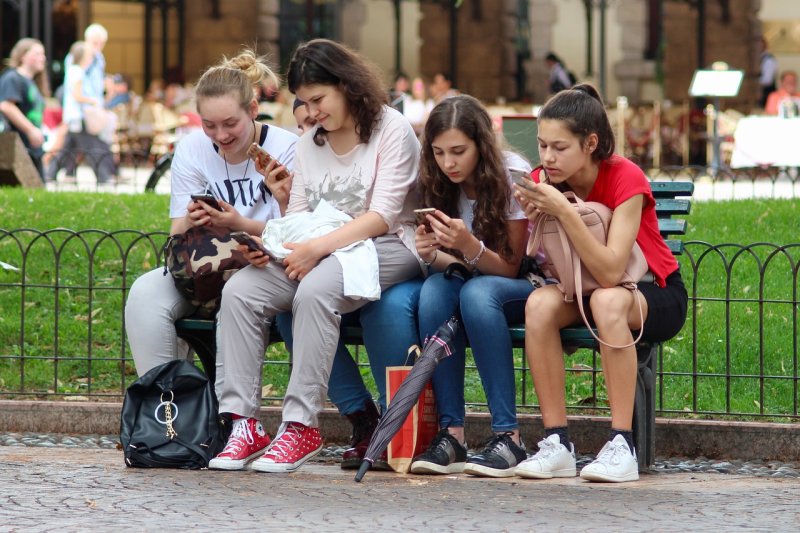
The Australian government reports that there are approximately 2.5 million children aged 8 to 15 in the country. Alarmingly, a staggering 84% of children within the 8 to 12 age range had social media accounts as of 2025. Anika Wells, Minister for Communications, expressed optimism at a press conference in Murarrie, Queensland, stating, “Now Australian parents can be confident that their kids can have their childhood back.”
This legislative change aims to foster a healthier environment for youth, allowing them to engage in real-world activities and form genuine connections. Wells highlighted the importance of children discovering their identities outside the digital sphere, promoting activities like skateboarding, reading, and music.
While initial compliance reports indicate all ten platforms are adhering to the new regulations, some critics argue that the law could inadvertently drive vulnerable teens to less reputable services. Julie Inman Grant, the eSafety Commissioner, reassured reporters, stating, “What we’re actually doing is we’re preventing predatory social media companies from accessing our children.”
The law follows alarming research from the University of Queensland, which found that teens on social media face increased risks of harm, social isolation, and mental health issues. A recent study by Orygen revealed that nearly all Australian youth engage with social media daily, with 40% spending three or more hours online each day.
As this situation develops, the Australian government plans to continue monitoring compliance and the potential impact of social media on youth. The immediate future will likely see ongoing discussions on how to further safeguard children in the digital landscape.
Stay tuned for further updates on this evolving story, as the implications of this bold law extend beyond Australia, influencing global conversations about youth safety online.