Americans stranded in the Middle East have expressed frustration over what they perceive as a lack of support from the U.S. government during a regional crisis. Following a recent military strike against Iran on October 3, 2023, the U.S. State Department issued a warning advising all citizens to leave the area as soon as possible.
This warning has left many Americans feeling abandoned. Reports indicate that numerous U.S. citizens are currently in various Middle Eastern countries, caught in a precarious situation due to escalating tensions. The strike against Iran has heightened fears, prompting individuals to seek immediate assistance for safe evacuation.
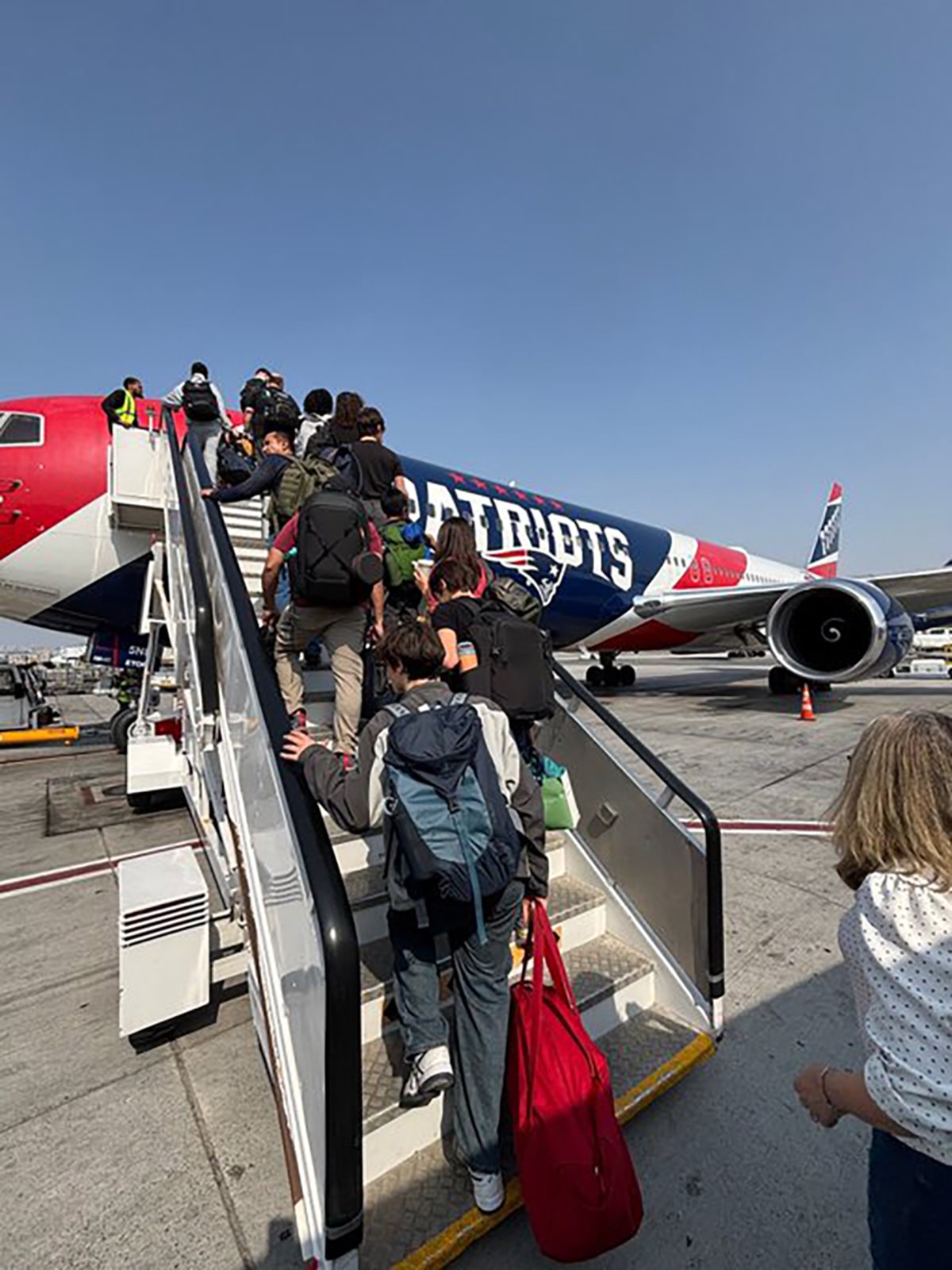
The U.S. State Department’s advisory emphasized the need for Americans to secure flights out of the region, citing potential disruptions to travel and safety concerns. Despite the directive, many individuals have struggled to find available flights and are grappling with rising costs. As airlines adjust their schedules in response to the evolving situation, some travelers are facing prices that have surged to over $1,500 for one-way tickets.
Concerns Over Safety and Support
Several Americans have taken to social media to voice their concerns, stating that they feel abandoned by their government. One traveler, who requested anonymity, described the situation as “chaotic” and expressed disbelief that the U.S. had not implemented more robust evacuation measures.
According to the U.S. State Department, officials are working to coordinate with airlines to facilitate the return of American citizens. However, many individuals remain skeptical, emphasizing the need for more proactive efforts to ensure their safety. This sentiment has been echoed by several advocacy groups, which argue that the U.S. government must take greater responsibility for its citizens abroad during times of crisis.
“People need to know that help is on the way,” said Mark Johnson, a spokesperson for an organization focused on assisting Americans overseas. “The current communication from the State Department has not been clear enough for those in the region.”
Impact on Diplomatic Relations
The situation has also raised questions about the broader implications for U.S. diplomatic relations in the Middle East. Experts suggest that the perception of inadequate support could hinder future cooperation and trust between the U.S. and nations in the region.
While the U.S. government has reiterated its commitment to the safety of its citizens, the ongoing unrest and military actions may complicate its ability to provide assistance. As tensions continue to rise, the focus remains on ensuring that Americans stranded in the Middle East can return home safely.
As this situation develops, it remains to be seen how the U.S. will balance its foreign policy objectives with the immediate needs of its citizens. The urgency of the matter highlights the importance of timely communication and effective support systems in protecting American lives abroad.
In the coming days, many will be watching closely to see how the U.S. government responds to these pressing concerns and whether it can effectively navigate the challenges posed by the current geopolitical landscape.