BREAKING: The Akron City Council has just approved a significant resolution to rename Schneider Park to honor the forgotten souls buried on its grounds. This decision comes after a lengthy nine-year campaign led by local resident Jane Greenland and was unanimously supported at the March 2 meeting.
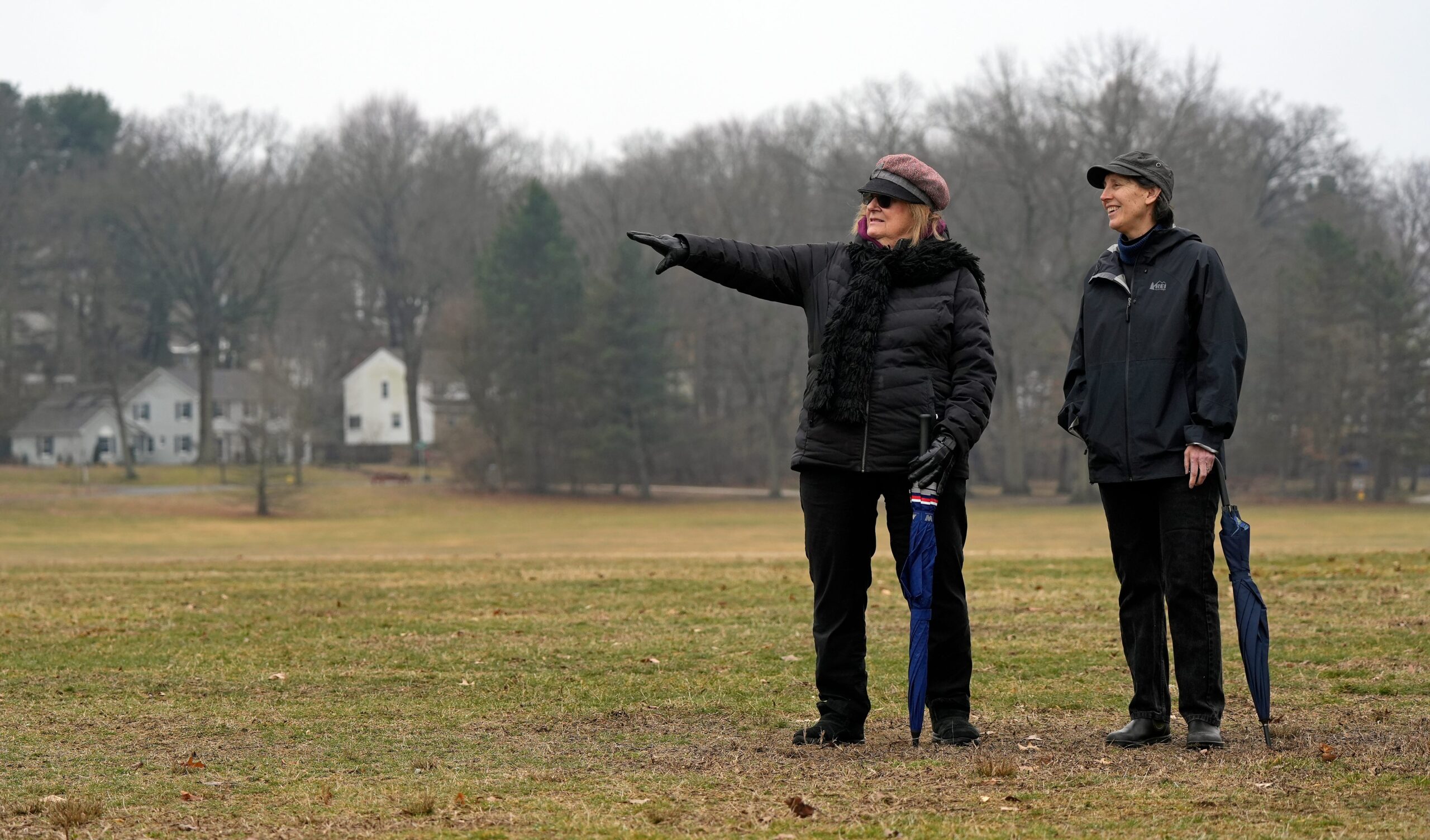
Schneider Park, once the site of the Summit County Infirmary and a “poor farm,” is home to hundreds of unmarked graves, a stark reminder of the area’s historical neglect. Greenland, who has lived across from the park for over 32 years, expressed her emotional relief, stating, “I just felt that they needed to be recognized somehow as real people.”
This name change is more than just a title; it represents a long-overdue acknowledgment of those who suffered and died under tragic circumstances. The park served as a burial ground for individuals who lived in dire conditions at the infirmary, which operated until 1919. City spokeswoman Stephanie Marsh confirmed that Mayor Shammas Malik‘s administration will support the renaming process and collaborate with Councilwoman Jan Davis on an official renaming ceremony.
The rich yet somber history of the site was highlighted by University of Akron Anthropology Professor Emerita Carolyn Behrman, who revealed that 308 death certificates have been documented, detailing burials that took place over eight years. “Those eight years of burials are only infirmary burials, and we know that the space was used for burials from the point at which it was a poor farm,” Behrman explained.
Residents from various backgrounds found themselves at the infirmary, including those with disabilities, the elderly, and others without family support. “They had a hard life. Every single one of those people had a really hard life,” Greenland added, emphasizing the human impact behind these lost stories.
The history of Schneider Park dates back to the mid-1860s, when the infirmary was built. As the city grew, the land was transformed into a residential area, yet the graves remained undisturbed for decades, leading to Greenland’s mission for recognition. “Nobody cared,” she lamented, reflecting on the past neglect.
As part of the initiative, Greenland hopes to see a plaque installed at the park, detailing the lives of those buried there. She believes this will spark curiosity and encourage visitors to learn more about the site’s history. “It might make people question what was being memorialized,” she stated.
With the city council’s decision now official, the next steps involve organizing a community event to celebrate the name change and the lives it honors. “I just took on a mission… to recognize them,” Greenland said, visibly moved by the outcome.
The community response has been overwhelmingly positive, with many residents supporting the initiative to bring dignity to those once forgotten. The proposed name change to Schneider Memorial Park is seen as a significant step towards healing and remembrance.
As the city moves forward with this plan, all eyes are on Akron to see how it will embrace its history and honor the souls that have long been overlooked. Stay tuned for updates on the official renaming event and further developments regarding the memorialization efforts at Schneider Park.