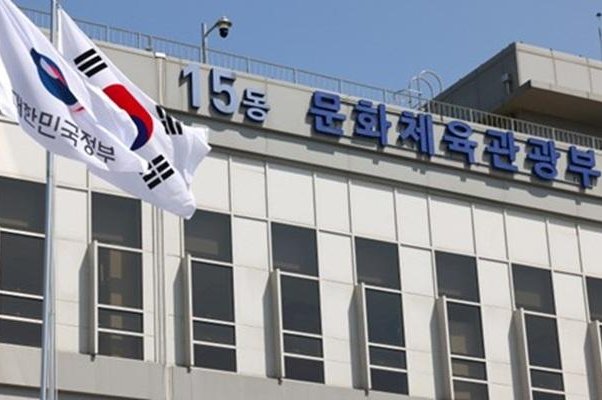
URGENT UPDATE: A new government survey reveals that artificial intelligence and K-culture have surged as the top online interests in South Korea for 2026. The Ministry of Culture, Sports and Tourism released these findings today, highlighting significant shifts in public fascination and concern.
Online mentions of artificial intelligence skyrocketed by 44% compared to last year, reflecting a growing public interest in its applications and implications. Key terms identified included security, policy, spread, and regulation, signaling both excitement over technological advancements and anxiety regarding job displacement and fairness.
Meanwhile, mentions of K-culture also saw a notable increase of 31%, driven by global phenomena such as the animated series K-Pop Demon Hunters. This trend showcases the worldwide appeal of Korean entertainment, with related terms encompassing K-pop, hanbok, Korean cuisine, and idols.
Equally intriguing is the rise in discussions around the concept of “authentic self,” which climbed 10% from the previous year. This term encapsulates the growing emphasis on personal identity and life choices, with frequent keywords including individual, identity, choice, and self-determination, reflecting a societal shift towards self-expression.
The survey’s findings stem from an extensive analysis of 538 million pieces of online data collected between January and November, encompassing news articles, social media, online communities, and video platforms. This comprehensive approach provides a robust view of public sentiment and interests.
Lee Jeong-eun, director of digital communication at the ministry, emphasized the significance of these insights. “We plan to leverage this analysis to better anticipate public demand and enhance our communication strategies,” she stated.
This data highlights not only the evolving interests of South Koreans but also underscores the importance of addressing emerging concerns related to technology and cultural identity. As these trends develop, they will undoubtedly shape the landscape of South Korean society and its global interactions.
As we move into the new year, the ministry’s commitment to understanding these sociocultural dynamics will be crucial. Stakeholders and observers alike will be watching closely to see how these trends influence future policies and cultural offerings in South Korea.