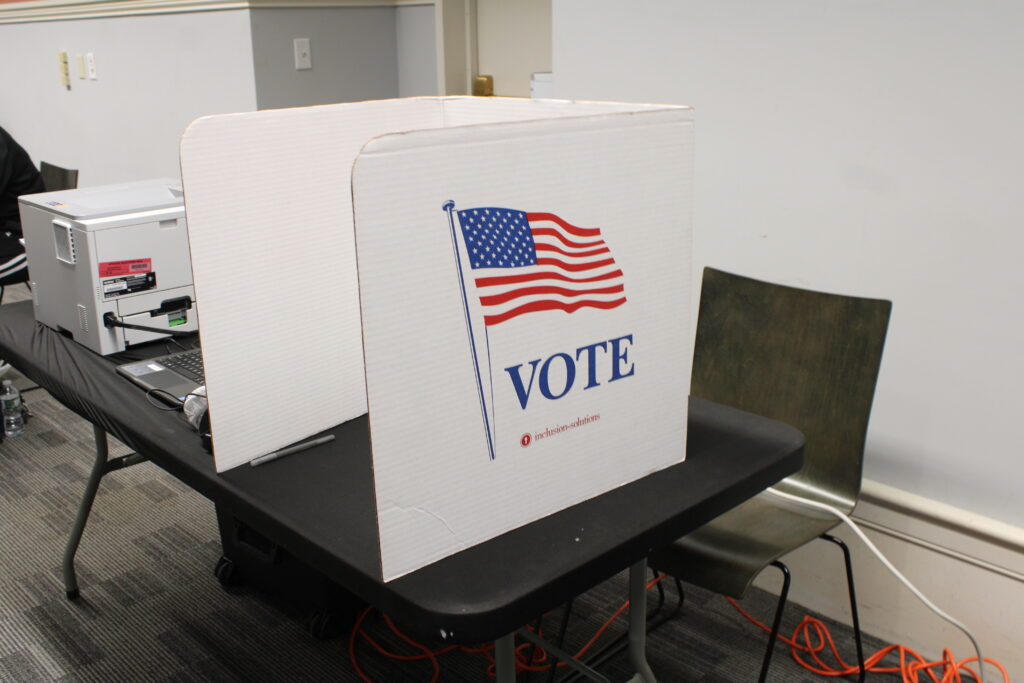
Hundreds of advocates gathered at the Capitol in Hartford, Connecticut, last week to voice their opinions on significant proposed legislation concerning homeschooling, vaccines, and gun control. The hearings drew a large crowd, with many parents attending with their children, highlighting the community’s active engagement in these pressing issues.
Homeschooling Oversight Under Review
One of the key discussions took place in the Education Committee, where lawmakers considered Bill 5468. This proposal aims to enhance state oversight of homeschooled children. Joanne Gonzalez, a homeschooling mother of four, emphasized the importance of balancing child safety with parental rights to education. She stated, “We want our state to have a balance between keeping the safety of children that they need and the freedom of parental rights to education.”
The Office of the Child Advocate has previously recommended measures to strengthen oversight of homeschooling. These include requiring parents and children to present annual enrollment documentation, mandating yearly academic evaluations by independent entities, and ensuring assessments from local districts to check for any suspected abuse or neglect. These recommendations emerged after troubling incidents, including one case of a man from Waterbury who was isolated in a closet for nearly 20 years and the tragic death of a 17-year-old boy in 2017 due to abuse and neglect.
Connecticut law obligates public school employees to report suspected child abuse or neglect within 12 hours. Failure to do so can lead to Class A misdemeanor charges. A homeschooling mother, who chose to remain anonymous, argued that the proposed bill distracts from the real issue: inadequate investigations by the Department of Children and Families. She urged lawmakers to “throw this bill out” and never revisit the topic.
Gonzalez maintained that parents should be trusted to provide quality education for their children. “We love our children and we want to provide them with an equivalent education, and I’m definitely confident that the state can hear our say,” she asserted. The Education Committee began its hearing at 10:00 AM, with discussions continuing well into the day.
As the proceedings unfolded, Republican lawmakers protested the committee’s decision to conclude the hearing at midnight, limiting the participation of over 550 registered speakers. The estimated time required to hear from all attendees was around 28 hours. Additionally, more than a thousand anonymous written testimonies were submitted, reflecting a broad spectrum of public opinion on the issues at hand.
Gun Legislation Debated Amid Rising Concerns
On a different floor, the Judiciary Committee was addressing a series of proposed gun control measures, including a ban on the sale of convertible pistols. These measures aim to redefine components of firearms under the law, requiring serial numbers for individual parts such as barrels and slides. The urgency of these discussions arises from the increasing prevalence of “Glock switches,” small devices that convert standard pistols into fully automatic weapons.
A local gun store owner expressed concerns about the challenges posed by 3D printing technology, which allows individuals to manufacture these devices. “These guns have been in circulation for 40 years,” he remarked. “Just because someone with an engineer brain decided ‘I can make this,’ they’re wrong for doing it; no one likes them for doing it.”
Authorities have noted that gun switches contribute to heightened street violence and have been discovered with individuals prohibited from possessing firearms. The gun store owner advocated for enforcing existing laws to address the issue, stating, “If someone is caught with a switch, there needs to be accountability. Find out where it came from, follow the trail.”
He also suggested that both sides of the gun debate could find common ground. “Neither side wants criminals possessing guns or full-auto switches,” he said. He encouraged gun rights advocates to engage respectfully with those who oppose them, fostering understanding that could lead to better outcomes for all parties involved.
The Judiciary Committee’s discussions on gun-related bills at the Legislative Office Building on March 11, 2026, reflect the ongoing dialogue in Connecticut about balancing safety with personal freedoms. As advocates continue to voice their opinions, the future of these legislative proposals remains uncertain as lawmakers weigh the implications of their decisions.