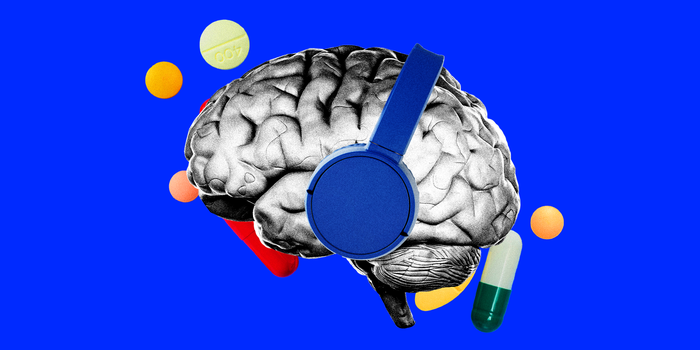
The rising interest in cognitive enhancement products, including creatine and neurotechnology devices, is transforming the wellness market into a lucrative sector. As individuals seek to improve their mental performance, sales of creatine—a compound traditionally used for muscle-building—have surged by 320% since 2019, according to the Vitamin Shoppe’s 2025 trend report. Concurrently, searches for “creatine gummies” skyrocketed by 1,300% last year, indicating a growing demand for cognitive-boosting supplements.
While creatine has long been a staple in fitness circles, recent research has begun to highlight its potential benefits for cognitive function, particularly among sleep-deprived individuals and Alzheimer’s patients. As studies continue to emerge, the landscape of brain enhancement is evolving, with a plethora of consumer products promising sharper thinking and improved mood.
Innovations in Neurotechnology
In addition to supplements, the quest for cognitive enhancement has led to the development of innovative neurotechnological devices. Companies like Meta and Apple are actively pursuing patents and creating devices designed to enhance mood and potentially increase intelligence. These advancements are largely driven by artificial intelligence, which enables real-time feedback for users.
The rise of neurotechnology is not limited to consumer products; it is also making its way into corporate wellness programs. According to a report from the Centre for Future Generations, the number of consumer neurotech companies has increased from 41 in 2014 to 153 in 2024, surpassing the growth of traditional medical device manufacturing. High-profile firms like JLL have begun incorporating brain-training facilities into their offices, promoting cognitive enhancement as a premium benefit for employees.
As the population ages and individuals extend their working lives, the interest in cognitive enhancement products is likely to continue growing. This demographic shift, coupled with the increasing prevalence of conditions like menopause-related brain fog, has created a significant market for these innovative solutions.
The Science Behind Brain Optimization
Despite the excitement surrounding brain optimization products, scientists caution that the effectiveness of these solutions can vary from person to person. Cognitive neuroscientist Bradley Voytek emphasizes the importance of tailoring brain enhancement strategies to individual needs, rather than relying on one-size-fits-all solutions.
Research on creatine suggests that it may benefit older adults by improving sleep and potentially delaying cognitive decline. However, comprehensive studies on its effects on younger, healthy populations remain limited. Experts like Dr. Adam Gazzaley advocate for a holistic approach to brain health, which includes regular physical activity, a nutritious diet, and meaningful social interactions.
In a study conducted by BrainHQ in partnership with McGill University, adults aged 65 and older who engaged in cognitive exercises for 30 minutes a day over a 10-week period demonstrated a 2% increase in acetylcholine levels—an essential neurotransmitter for movement, memory, and learning.
While brain-training games and devices can offer benefits, experts agree that the foundation of cognitive health lies in consistent, real-world challenges. Engaging in new experiences, learning new skills, and fostering social connections are vital components of maintaining brain health. As Dr. Gazzaley notes, no amount of technological intervention can replace the essential elements that contribute to a healthy brain.
As the market for cognitive enhancement continues to expand, consumers are left to navigate a landscape filled with options. While there is promise in emerging technologies and supplements, experts urge individuals to focus on proven strategies for cognitive health. The quest for the perfect brain-boosting solution remains ongoing, with the understanding that personal needs and preferences must guide individual choices.