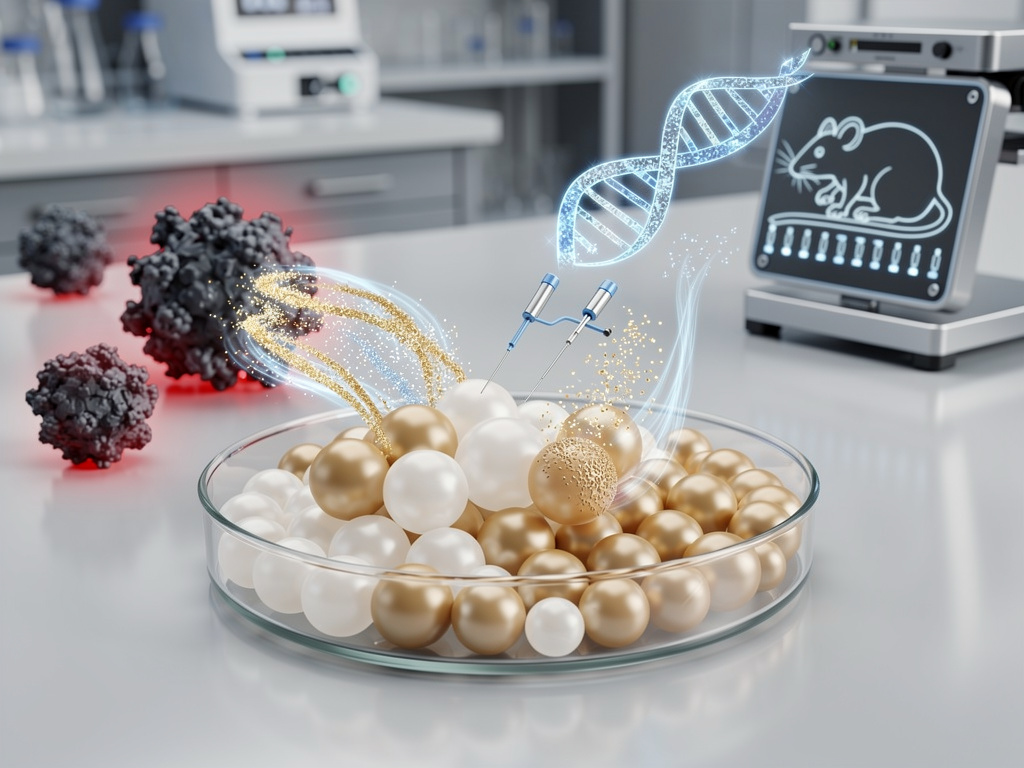
Researchers at the University of California, San Francisco (UCSF) have developed an innovative method that converts ordinary fat cells into powerful agents capable of starving cancerous tumors. This groundbreaking study, published on February 4, 2024, in the journal Nature Biotechnology, demonstrates how genetically engineered fat cells can outcompete tumors for essential nutrients, marking a significant advancement in cancer treatment strategies.
The research, led by Nadav Ahituv, a professor in the Department of Bioengineering and Therapeutic Sciences, utilizes CRISPR gene-editing technology to transform white fat cells into more metabolically active beige fat. This transformation allows the modified cells to aggressively absorb glucose and other vital nutrients from their surroundings, effectively depriving tumors of their necessary resources. In preclinical models, this approach has shown promising results across several cancer types, including breast, prostate, and colon cancers.
The motivation behind this research stems from the metabolic nature of cancer cells, which are known for their voracious appetite for sugars and fats. Traditional cancer treatments such as chemotherapy and radiation often aim to inhibit this rapid growth but can lead to severe side effects. In contrast, the UCSF method turns the tumor’s dependency on nutrients against itself, creating a competitive environment that favors the engineered fat cells.
Harnessing Fat for Healing
The origins of this research can be traced back to observations in cosmetic surgery, where fat grafts are routinely used for reconstructive purposes. Researchers speculated whether these cells could be repurposed as a weapon against cancer. By implanting the modified fat cells near tumor sites, they created conditions where the beige fat’s high metabolic rate could dominate.
Electron microscopy images provided by UCSF reveal that these engineered fat organoids successfully outcompete tumors for nutrients, with noticeable depletion zones surrounding cancer masses. This new strategy represents a shift from previous attempts to starve cancer metabolically, which often involved drugs that inhibit glucose uptake. Instead, the UCSF approach introduces an external competitor that targets the tumor’s metabolic needs directly.
In studies conducted in collaboration with the National Cancer Institute, it was found that the engineered white fat cells reduced tumor sizes by up to 80%, significantly extending survival rates for mice with implanted tumors. This potential for scalability is noteworthy, as fat cells are abundant and can be harvested through minimally invasive procedures, making personalized therapies more attainable.
Navigating Challenges Ahead
While the findings are promising, challenges remain in ensuring that the engineered cells do not migrate or cause unintended metabolic imbalances. Ahituv’s lab is actively working on refining the gene edits for potential human applications, with early preclinical trials suggesting broader efficacy against metastatic cancers.
The transformation from white to beige fat involves activating specific genes, such as UCP1, which enhances nutrient consumption and energy expenditure. Cancer cells, which rely on the Warburg effect—favoring glycolysis even in the presence of oxygen—find themselves outmatched by the engineered fat cells. Notable experts, including Eric Topol, have praised this innovative approach, highlighting its success in experimental models against diverse cancer types.
As the research progresses toward clinical trials, regulatory bodies, including the FDA, will closely evaluate the safety profiles of this new therapy. Concerns about off-target effects from CRISPR technology remain a topic of discussion, although Ahituv’s team reports a high level of specificity in their models. Funding from the National Institutes of Health supports ongoing refinements, including potential combinations with immunotherapy.
Future Directions and Implications
The potential implications of this research extend beyond oncology. If successful, this approach could disrupt the $200 billion oncology market, opening new avenues for pharmaceutical companies and biotech firms. Partnerships may accelerate development, particularly as the industry explores adipose-based platforms for various applications.
Integrating this fat-cell strategy with existing cancer treatments could revolutionize care. The concept of post-surgical fat implants preventing tumor recurrence or injectable engineered cells targeting hard-to-reach tumors could significantly alter the landscape of cancer treatment. The research from UCSF emphasizes the need for precision and personalization, where a patient’s own fat could be harvested and modified to minimize rejection risks.
As the team moves forward with their research, they are considering collaborations with institutions like the National Cancer Institute to fast-track clinical translations. The overarching goal is a future where fat, often viewed negatively, is redefined as a critical ally in the fight against cancer.
While this innovative therapy shows great promise, experts caution that it is not yet a miracle cure. The complexities of cancer treatment necessitate ongoing research and development, as reflected in discussions across various platforms. The excitement surrounding this breakthrough highlights the potential for a new era in cancer therapy, where metabolic strategies could play a vital role in patient care.