A research team at the University of British Columbia has developed a groundbreaking method for producing rayon, a widely used fabric, that could reduce solvent usage by up to 70%. This innovative process aims to enhance sustainability in textile manufacturing by minimizing the environmental impact associated with traditional rayon production.
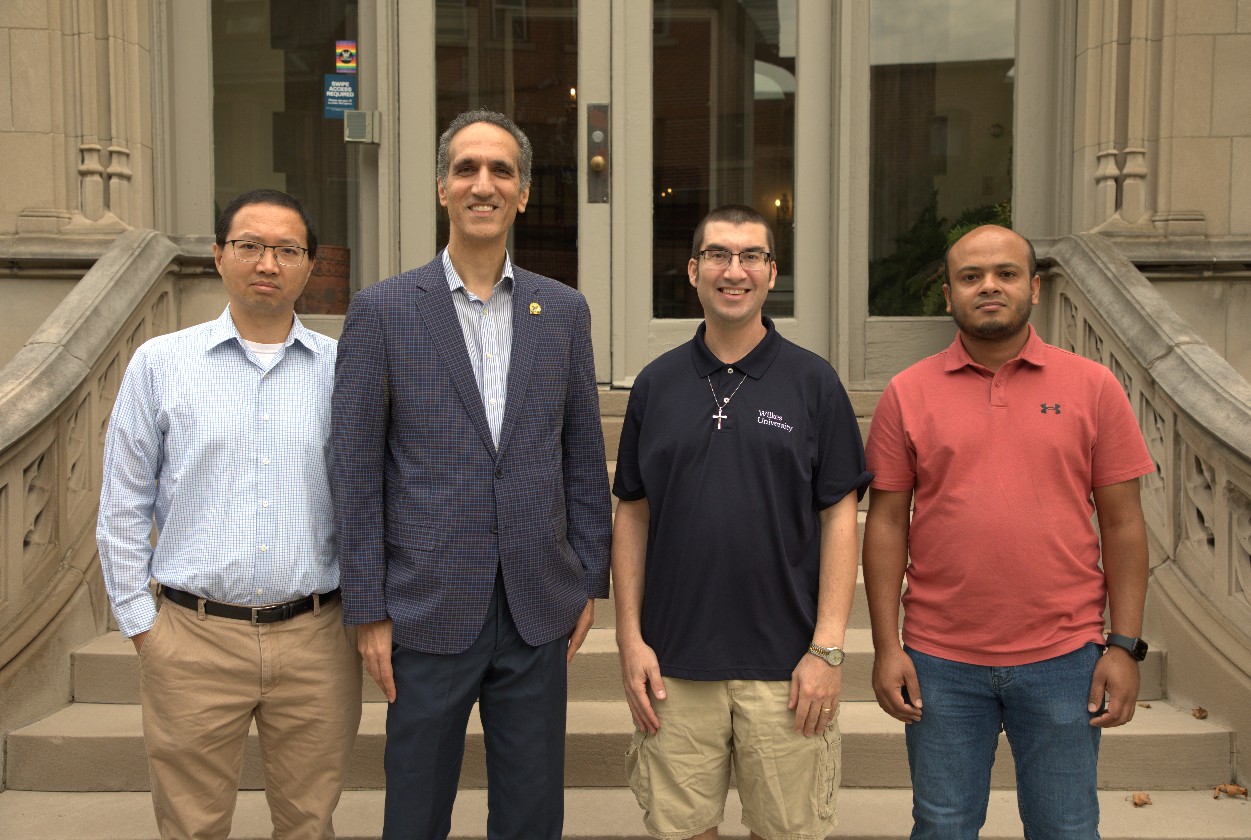
The study, led by Dr. Feng Jiang, an associate professor in the Department of Forest Resources Management, alongside doctoral student Huayu Liu, presents a new technique for spinning continuous cellulose fibers without relying on harsh and toxic solvents. Detailed findings were published in the journal Chem Circularity on December 4, 2025.
Revolutionizing Fiber Production
Historically, the production of synthetic cellulose fibers like rayon has involved dissolving cellulose with large quantities of strong chemicals, which can be detrimental to both health and the environment. The UBC team took a different route by utilizing microfibrillated cellulose (MFC)—tiny strands of cellulose created through simple mechanical grinding and minimal chemical use.
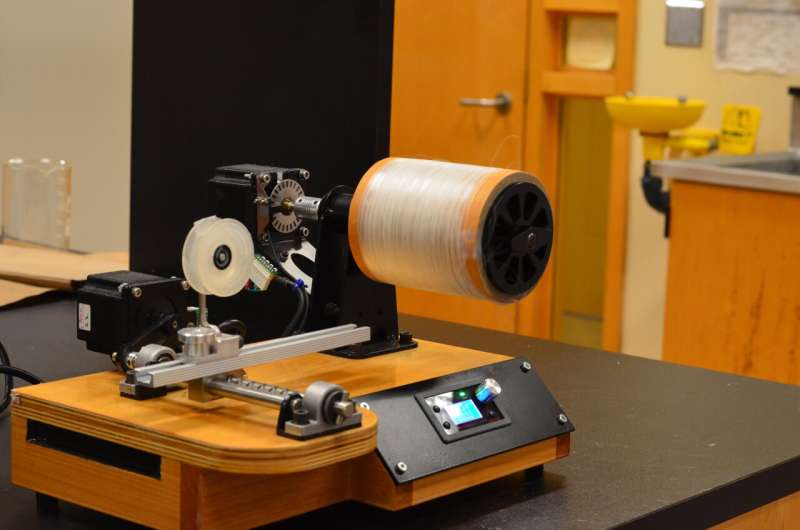
MFC typically does not flow well enough to be formed into long threads. To address this challenge, the researchers incorporated a small amount of softened, dissolved cellulose to act as a natural binder. This innovation allows the tiny fibers to connect and twist into a smooth, continuous thread suitable for weaving, all while significantly reducing the amount of solvent required.
“We discovered that dissolving only a portion of the cellulose is sufficient for creating continuous fibers,” stated Huayu Liu. “This approach allows us to reduce solvent use by as much as 70% and enables us to recycle all of it.”
Advancing Sustainability in Textiles
The new method not only uses less processed pulp but also eliminates several steps that typically involve bleaching or harsh chemical treatments. This streamlining results in a cleaner and more sustainable production process. Dr. Jiang emphasized the significance of their findings: “Creating man-made cellulose fiber with reduced chemical input and a lower environmental footprint is a critical advancement. Sustainability encompasses responsible sourcing and minimizing pollution throughout the entire manufacturing process.”
Currently, the fibers have been produced at a laboratory scale, and the research team is exploring opportunities for larger-scale production. They are collaborating with Professor Stephanie Phillips at Kwantlen Polytechnic University to develop knitting and weaving prototypes as more fibers become available.
“Our goal is to see these fibers integrated into sustainable clothing and fabric manufacturing,” said Dr. Jiang. “This research paves the way for a more circular, lower-carbon pathway in the textile industry.”
The potential impact of this research highlights a significant step toward a more sustainable future in fabric production, aligning with global efforts to reduce environmental harm caused by traditional manufacturing practices.