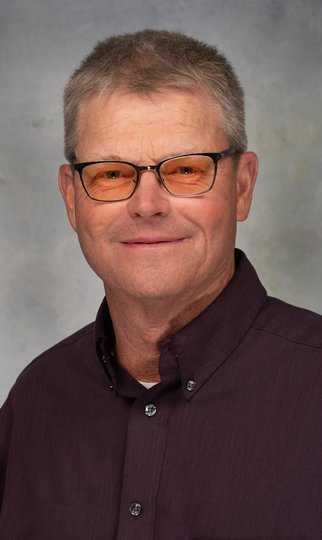
Professor Omar Yaghi, a distinguished scientist raised in a challenging environment, is set to receive the Nobel Prize in Chemistry on March 15, 2024, in Stockholm. Born to Palestinian refugees in Jordan, Yaghi’s journey to this prestigious accolade began in a modest one-room home, where he lived with his parents and eight siblings. His father, a butcher, recognized his potential and sent him to the United States at the age of 15 to pursue education.
Yaghi’s story reflects a broader narrative among this year’s Nobel laureates. Of the six American winners in the sciences, three were born outside the United States. This trend highlights the significant contribution of immigrants to the nation’s scientific achievements. In fact, research indicates that approximately 40 percent of Nobel prizes in physics, chemistry, and medicine awarded in the 21st century have gone to emigrants.
The impact of these scientific contributions goes beyond awards. The U.S. has established a reputation for innovation, with many Nobel-winning scientists playing integral roles in the formation of trillion-dollar companies in Silicon Valley. Economists argue that these successes have bolstered the nation’s economy and provided a wealth of social benefits.
Yet, experts express concern that the policies enacted during the Trump administration threaten this legacy of scientific excellence. By prioritizing an “America First” approach, they warn that the influx of legal immigrants, foreign students, and visiting researchers could dwindle. This shift may jeopardize the ecosystem that has historically fostered scientific progress in the U.S.
Dr. Yaghi echoed these concerns during an interview prior to his Nobel ceremony. He stated that the current policies pose a risk to the framework of scientific achievement in the country. The potential decline in the diversity of thought and innovation could have lasting effects on the U.S. landscape of science and technology.
As the Nobel Prize ceremony approaches, Dr. Yaghi represents not only individual achievement but also the collective contributions of countless immigrants who have enriched American science. Their stories of resilience and excellence underscore the importance of maintaining an open and inclusive environment for scientific inquiry and discovery.