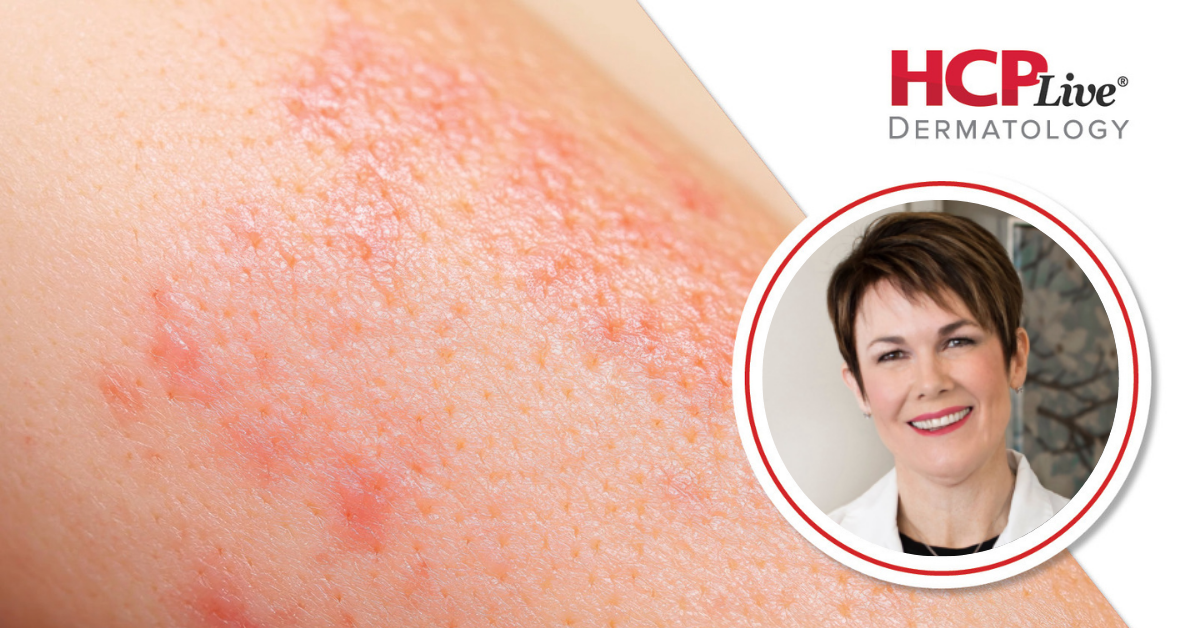
Positive topline results from two pivotal Phase 3 studies on zasocitinib (TAK-279), an oral treatment for moderate-to-severe plaque psoriasis, were announced by Takeda on December 18, 2023. The studies demonstrated that the drug, a selective tyrosine kinase 2 (TYK2) inhibitor, significantly outperformed placebo across co-primary endpoints pertaining to patient assessments of skin condition.
Dr. Melinda Gooderham, a dermatologist and medical director at the SKiN Centre for Dermatology in Ontario, Canada, discussed the findings in an interview with HCPLive. She described the studies as “two duplicate, sister studies” that were randomized, multicenter, double-blind, and controlled against both placebo and an active comparator. Conducted across 21 countries, the trials involved a total of 1,801 participants—693 in one study and 1,108 in the other.
The co-primary endpoints focused on the proportion of patients achieving static Physician Global Assessment (sPGA) scores of 0 or 1 and Psoriasis Area and Severity Index (PASI) 75 responses at the 16-week mark. The data indicated not only significant improvement compared to placebo but also a notable increase in PASI 75 responses as early as the 4-week mark, continuing to rise through to Week 24.
In addition to the co-primary endpoints, all 44 ranked secondary endpoints were met, including sPGA scores of 0, PASI 90, and PASI 100 responses when compared to placebo and apremilast, another psoriasis treatment. Dr. Gooderham emphasized the importance of a once-daily oral medication that provides complete skin clearance for psoriasis patients, noting, “What’s exciting is that we’re seeing these levels of biologic efficacy.”
The safety profile of zasocitinib was consistent with earlier studies, with the most commonly reported adverse events being upper respiratory tract infections, acne, and nasopharyngitis. No new safety signals were identified during the trials, which adds to the confidence in the drug’s tolerability.
Takeda plans to present these data at upcoming medical congresses and intends to submit a New Drug Application to the US Food and Drug Administration (FDA), along with submissions to other regulatory bodies, in 2026.
The results from these studies represent a significant advancement in the treatment options available for patients with moderate-to-severe plaque psoriasis, potentially impacting many individuals living with this chronic skin condition. Dr. Gooderham’s comments on the efficacy of oral therapies reflect a growing optimism in the dermatology community regarding new treatment paradigms.
As the research progresses, the implications for patient care and treatment accessibility will be closely monitored by healthcare professionals and regulatory bodies alike.