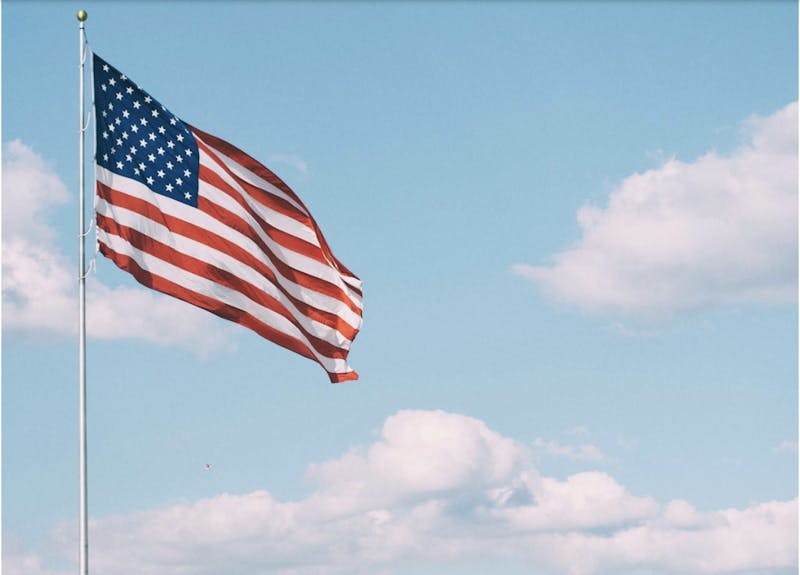
During his first semester at Johns Hopkins University, freshman Bryce Leiberman engaged in a thought-provoking discussion that prompted him to reassess his own beliefs regarding American identity and bias in foreign policy. While drafting a paper on the Iraq War, Leiberman’s insights were challenged by a simple observation from a friend, sparking a deeper examination of what it means to identify with a nation’s actions.
Confronting Identity and Bias
As Leiberman described the causes and implications of the Iraq War, he used the term “we” to refer to the United States, a choice that surprised him when his friend pointed it out. This reflection led him to contemplate why he subconsciously aligned himself with a national identity tied to events that occurred long before his birth. The friend’s comment served as a catalyst for Leiberman to explore the complexities of identity and how it influences perspectives on historical events.
Leiberman realized that associating himself with the actions of his country, particularly those involving tragic outcomes, raises significant questions about personal bias. He reflected, “Being proud to be an American citizen and endorsing everything associated with America are not the same.” This distinction is crucial, particularly in academic discussions where the implication of bias may color the interpretation of facts and events.
In an era where national identity can be divisive, Leiberman’s experience highlights the importance of recognizing how biases are formed. He noted that the intrinsic bias within his analysis did not stem from overtly political affiliations but rather from growing up American. This realization challenges individuals to separate their personal identities from those of their countries, especially when discussing sensitive topics such as U.S. security policy.
Understanding Group Dynamics
Leiberman articulated that identity is shaped not only by nationality but also by various social constructs, such as sports teams and political parties. He described how these affiliations can foster a sense of community while simultaneously promoting divisiveness. “Teamsmanship is a double-edged sword,” he wrote, acknowledging that while group identities can create solidarity, they can also lead to a tribal mentality that oversimplifies complex issues.
He emphasized that Americans are not a monolithic group, and it is essential to recognize diversity within national identities. The challenge lies in balancing personal and collective identities in discussions about historical and contemporary issues. “While bias and identity may be our first instincts,” Leiberman concluded, “learning how to adjust our mental calculus can help us understand how lines in the sand are drawn before we take out the stick.”
Through his reflective writing, Leiberman aims to navigate the journey toward authenticity and self-understanding, particularly as he delves into the intersections of politics and philosophy. This introspection not only enriches his academic work but also contributes to a broader dialogue on identity in the context of global events.
As Leiberman continues his studies in Political Science and Philosophy, his insights serve as a reminder of the importance of critical thinking and self-awareness in understanding the complexities of identity and its impact on perspectives in foreign policy.