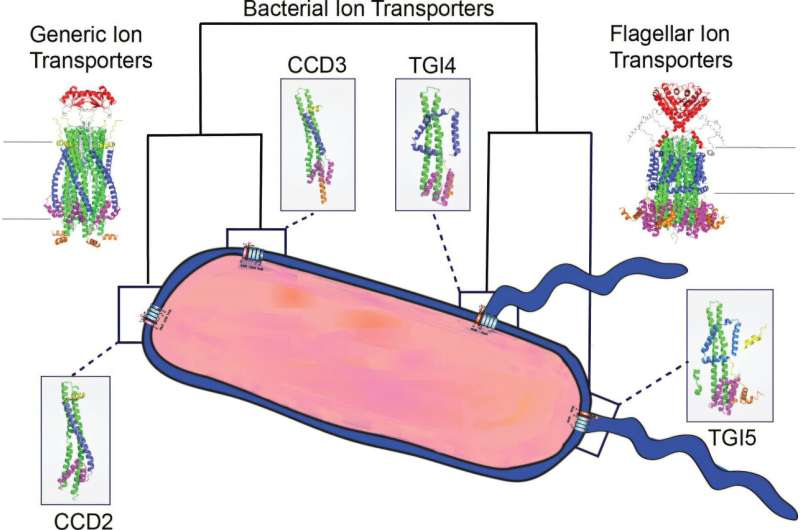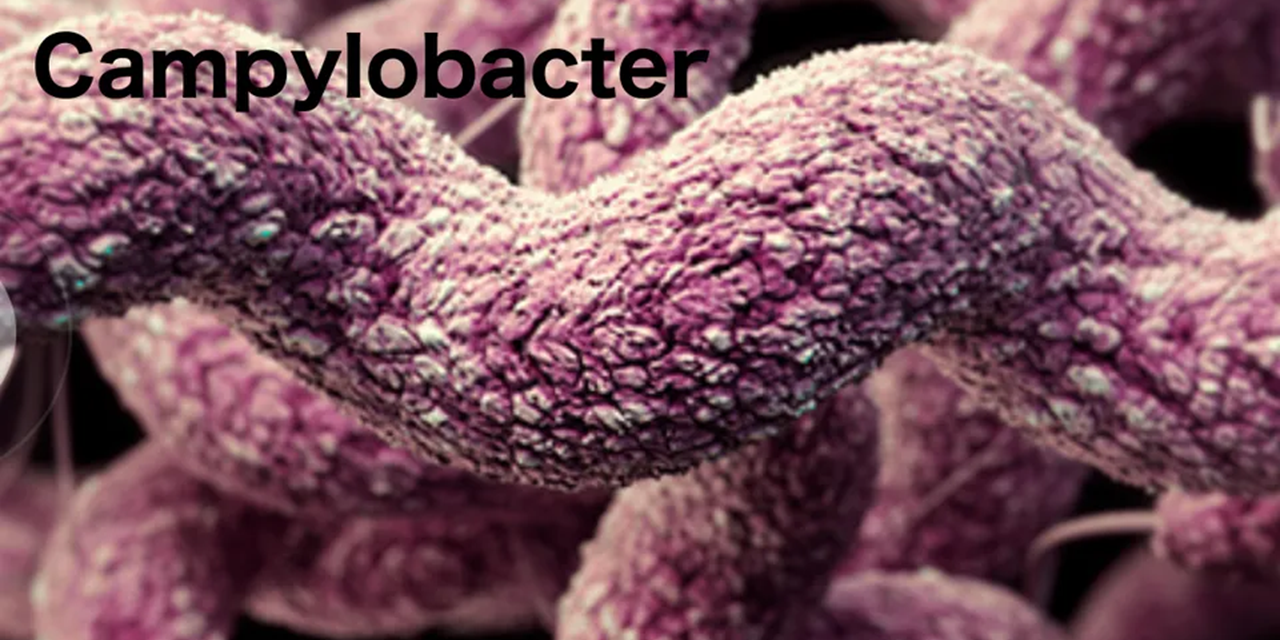
Researchers at the London School of Hygiene & Tropical Medicine (LSHTM) have secured significant funding to advance their understanding of the Campylobacter bacteria. The study aims to uncover how this pathogen outcompetes other bacteria and adapts to various host environments. The project has received a total of £850,000 (approximately $1.1 million) from the Biotechnology and Biological Sciences Research Council (BBSRC).
The funding will support a consortium of researchers across multiple institutions, focusing on the mechanisms by which Campylobacter thrives in different settings. This research is critical, as Campylobacter is one of the leading causes of bacterial food poisoning worldwide, often associated with undercooked poultry and contaminated water.
Project Goals and Implications
The primary objective of the project is to identify the genetic and biochemical factors that allow Campylobacter to dominate in specific environments. By understanding its competitive strategies, scientists hope to develop targeted interventions to reduce its prevalence in food supplies.
The consortium will employ advanced genomic techniques and experimental models to study the bacterium’s adaptability. Researchers are optimistic that the findings could lead to improved safety protocols in food production and handling.
Lead researcher, Dr. Emily Smith from LSHTM, stated, “This funding allows us to delve into the complex interactions between Campylobacter and its environment. Our goal is to not only understand its resilience but also to find ways to mitigate its impact on public health.”
Broader Context of Campylobacter Research
The study of Campylobacter has gained importance in recent years, particularly as antibiotic resistance becomes a growing concern. The bacterium’s ability to adapt can complicate treatment options and food safety measures.
With this grant, the LSHTM-led consortium joins a broader effort in the scientific community to enhance food safety and public health strategies. The BBSRC continues to prioritize research that addresses critical challenges in foodborne diseases and their management.
As the research progresses, the findings will be shared with public health officials and the food industry to implement effective measures against Campylobacter infections, potentially leading to a decrease in foodborne illness cases. This initiative not only underscores the importance of academic research but also highlights the need for collaborative efforts in tackling global health issues.