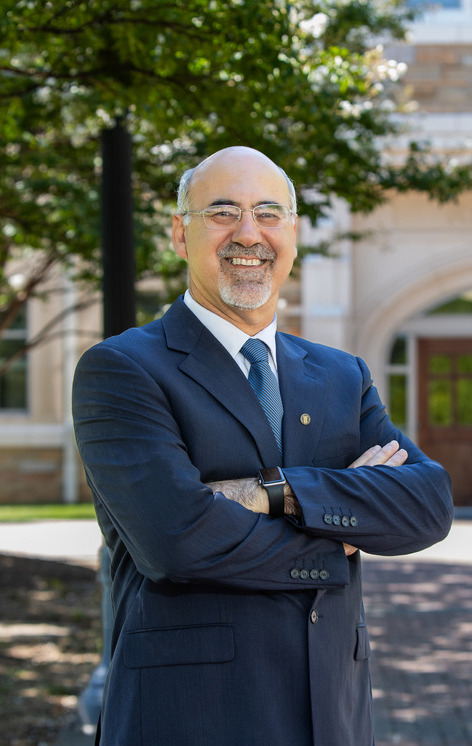
Research from Professor Sebastian Kobold and his team at LMU University Hospital has identified a significant barrier in the fight against solid tumors, such as bowel and pancreatic cancer. Their study reveals that the metabolite prostaglandin E2 can inhibit T cells, the immune system’s primary cancer-fighting agents, preventing them from attacking cancer cells within the tumor’s vicinity.
Understanding the mechanisms behind this inhibition is crucial. Traditional therapies using CAR T cells have struggled to achieve effective outcomes against solid tumors. The discovery that prostaglandin E2 can block T cell activity sheds light on an important reason for these challenges. By effectively neutralizing the T cells, tumors can evade immune responses, which has hindered the success of CAR T-cell therapies in clinical settings.
Innovative Approaches to Treatment
The implications of this research are substantial. By targeting the action of prostaglandin E2, there is potential to enhance the efficacy of CAR T-cell therapies. Professor Kobold’s research group is now exploring ways to optimize CAR T cells, aiming to overcome the immunosuppressive environment created by solid tumors.
This work builds upon previous findings, demonstrating that addressing metabolic factors in the tumor microenvironment can significantly alter treatment outcomes. The goal is to create a more conducive environment for CAR T cells, allowing them to function effectively against solid tumors where they have previously faced limitations.
Future Directions in Cancer Therapy
The next steps involve rigorous testing to determine how modifying CAR T cells or inhibiting prostaglandin E2 can lead to more successful patient outcomes. As researchers continue to investigate these strategies, there is hope that breakthroughs in the treatment of solid tumors will emerge.
The research highlights the ongoing challenge in cancer treatment, where the complexity of tumor biology often outpaces current therapeutic techniques. By focusing on the interactions between immune cells and their environment, scientists like Professor Kobold are paving the way for innovative solutions that could transform cancer care and improve survival rates for patients facing difficult diagnoses.
As this field evolves, collaboration among researchers, clinicians, and pharmaceutical companies will be essential in bringing these findings to clinical practice, ultimately aiming to deliver more effective treatments for patients battling solid tumors.