The ongoing unrest in Iran has prompted the son of the last shah to call for a nationwide strike, coinciding with a government-imposed internet blackout that has persisted for over 36 hours. Reza Pahlavi, the exiled opposition figure and son of former monarch Mohammad Reza Pahlavi, issued a video message urging workers across key sectors to participate in the strike beginning Saturday, which marks the start of the working week in the country.
In his address, Pahlavi emphasized the importance of solidarity among Iranians, particularly those in transportation, oil, gas, and energy sectors. He encouraged citizens to take to the streets with national symbols and flags, aiming to reclaim public spaces. “The goal is to prepare to seize city centers and hold them,” he declared, suggesting that recent protests have sent a strong message to Iranian authorities.
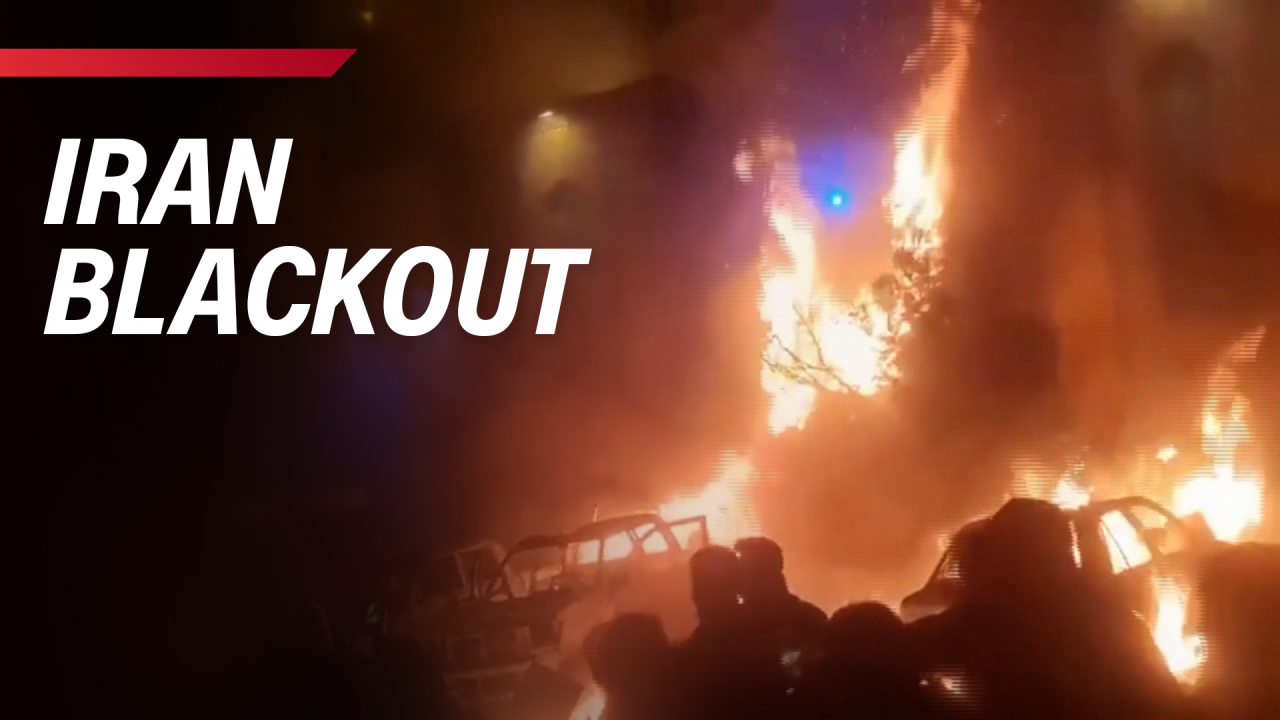
The backdrop to Pahlavi’s call is a wave of protests that began on December 28, 2023, driven by widespread dissatisfaction over rising inflation and growing frustration with Iran’s conservative leadership and its security forces. As the demonstrations escalated, Iranian authorities responded by cutting internet and telephone services, severely hindering communication and limiting citizens’ ability to check on family and friends during this turbulent period.
According to the watchdog organization NetBlocks, which tracks internet accessibility, the blackout has significantly restricted online activity. At 11:30 PM ET on Saturday, they reported that the blackout had entered its second day, with metrics indicating continued disruption across the country. “It’s now 8:00 AM in #Iran where the sun is rising after another night of protests met with repression; metrics show the nationwide internet blackout remains in place at 36 hours,” the organization stated on its Telegram channel.
Pahlavi’s popularity within Iran remains uncertain, as he was only 16 years old when the 1979 Islamic Revolution ended his father’s 40-year reign. Nonetheless, his call for action resonates with many who are disillusioned with the current state of affairs. While the protests reflect deep-seated grievances against the government, the impact of a nationwide strike remains to be seen as the situation unfolds.
As citizens rally for change, the ongoing internet blackout only adds to the challenges faced by those seeking to organize and communicate. The government’s efforts to stifle dissent through digital isolation highlight the delicate balance between state control and the public’s demand for transparency and reform.