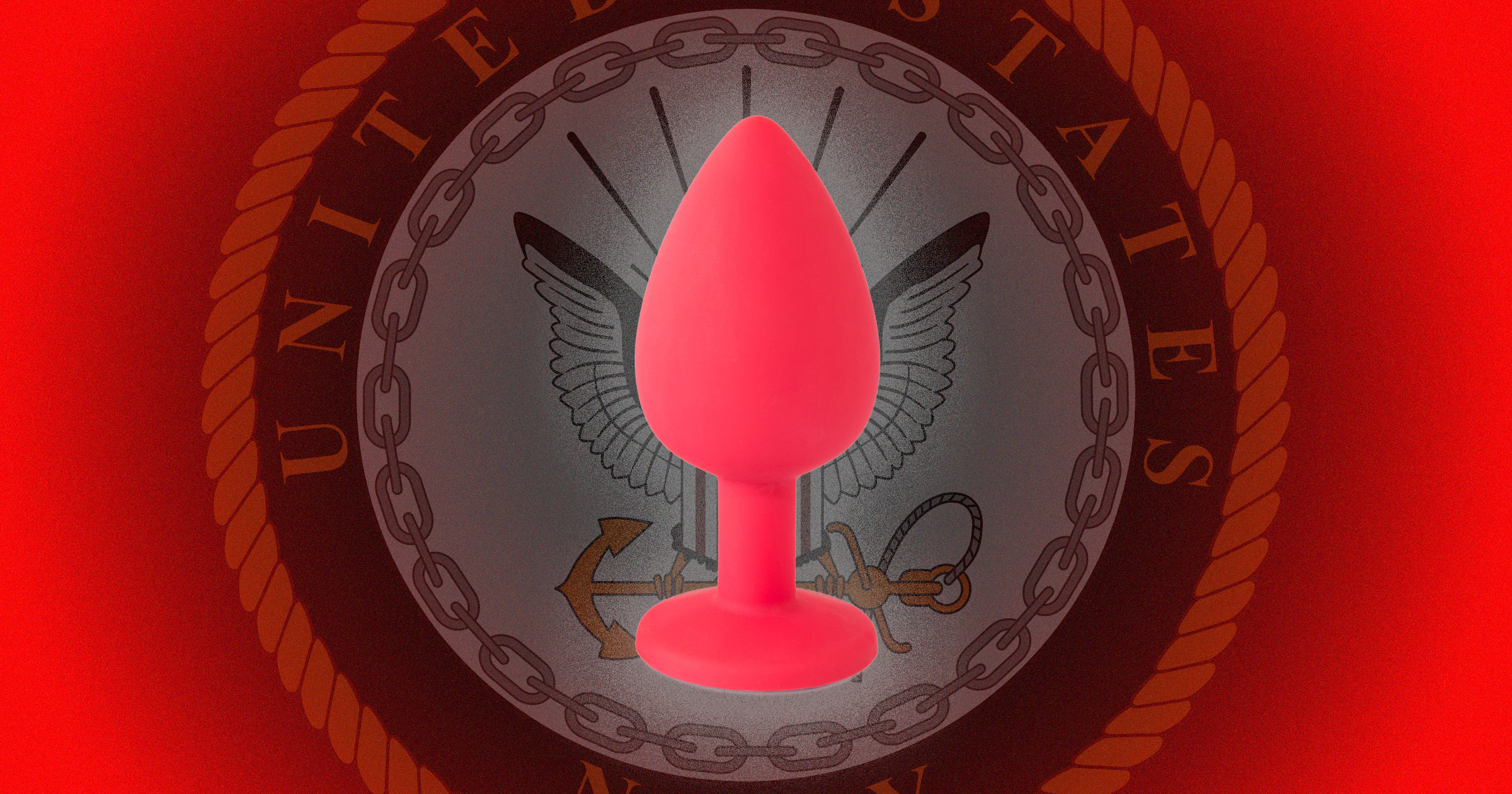
A Toronto-based sex toy store, Bonjibon, received an unusual request from the Pentagon regarding its products aimed at military personnel. The shop’s cofounder, Grace Bennett, discovered two letters from the Pentagon instructing her company to cease sending butt plugs to a US naval base in Bahrain.
The letters revealed that “pornographic materials or devices” are not permitted entry into Bahrain, a conservative Gulf nation. Despite the Pentagon’s request, Bonjibon does not ship products to Bahrain due to local laws. Bennett suspects that someone may have forwarded the packages to the naval base from another location, leading to this peculiar situation.
“We didn’t even know it was going to Bahrain until it came back to us months later,” Bennett explained. “It just kind of unraveled this whole… hilarious moment.” The incident has sparked laughter, but it highlights a more significant issue concerning the awareness of military personnel regarding the local laws in foreign countries.
Bennett took issue with the tone of the Pentagon’s letters, suggesting that the responsibility lies with the individual who ordered the products. “This sounds like a you problem,” she remarked, noting that the call was “coming from inside the house.”
The Pentagon’s Transportation Command provides clear guidelines for military shipments, including rules for Bahrain. In its 2024 instructions, it explicitly lists prohibited items, which include all forms of pornographic material such as sex toys, nudity magazines, and DVDs. The Navy’s Naval Supply Systems Command also emphasizes in its “Bahrain Moving Tips” leaflet that no pornographic material should be brought into or shipped within the country.
Other items prohibited from being shipped include alcohol, pork products, poker chips, and Israeli-made goods. The leaflet warns that “100 percent of all shipments are x-rayed by Bahrain customs,” and any confiscated materials will be destroyed.
While this incident underscores the complexities of adhering to local laws, it also sheds light on the broader issues of sexuality within the US military. Topics surrounding sexual violence and gender identity remain contentious in military culture, where discussions about sex are often taboo.
Bennett expressed disappointment that the intended customers did not receive their orders. “There’s many layers of hilarity to this that we can all just poke fun at, and the situation is quite funny, while at the same time, I genuinely want everyone — I’m sad that they didn’t get their order,” she said.
This unusual exchange between a small business and a major governmental body brings to light the intricacies of international shipping laws, military regulations, and the often humorous misunderstandings that can arise from them.