NASA has introduced an innovative initiative called STELLA—Science and Technology Education for Land / Life Assessment—aimed at democratizing remote sensing science. This program focuses on developing low-cost, open-source instruments that anyone can build and use, allowing a broader audience to engage with environmental science and technology. The findings were detailed in a recent paper published online, providing a roadmap for future exploration and education.
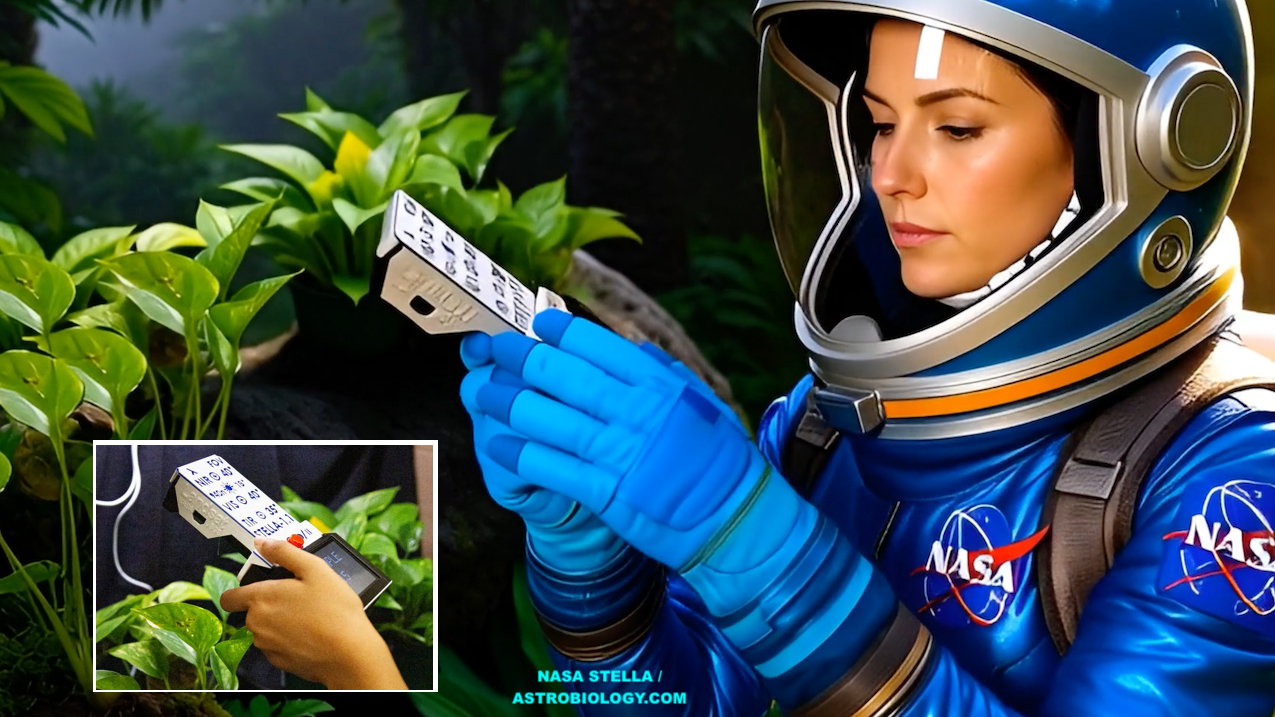
The STELLA instruments are designed to measure light spectra over 18 channels in the visible and near-infrared range. This capability enables users to observe and analyze features of the environment, including plant health, which is essential for understanding ecological systems. The simplest version, the STELLA-Q, can be assembled for approximately $200 by connecting commercially available components, making it accessible to educational institutions and citizen scientists.
Empowering Future Explorers
NASA’s initiative is particularly significant as it engages a younger generation, often referred to as the Artemis Generation, which includes future researchers poised to explore other worlds. The STELLA project is based at the NASA Goddard Space Flight Center and is funded by the NASA Science Mission Directorate. It aims to provide authentic hands-on learning experiences that encourage analytical thinking and a deeper understanding of satellite data.
The open-source software accompanying the STELLA instruments is written in a user-friendly version of the Python programming language, ensuring that individuals without extensive programming experience can easily access and analyze their data. The data collected is stored in plain text on a micro-SD card, facilitating straightforward analysis and interpretation.
In practical applications, STELLA instruments have already been tested in various environments. For example, during a recent experiment, researchers monitored two plants given different amounts of water. Regular readings taken with the STELLA device allowed for a direct comparison of the plants’ health, showcasing the instrument’s potential for real-time ecological assessment.
Broader Implications for Space Exploration
As humanity prepares for future astrobiology expeditions to other planets, understanding life-supporting systems becomes paramount. The STELLA project not only enhances our ability to analyze terrestrial ecosystems but also lays groundwork for evaluating extraterrestrial environments. The capability to perform in situ examinations reduces the logistical challenges associated with sample return missions and allows for immediate data transmission back to Earth.
This initiative reflects a growing trend in science towards citizen engagement, where ordinary people can contribute to significant research. By leveraging the capabilities of DIY technology and the global hacker community, NASA aims to inspire innovation and exploration.
The STELLA program represents a pivotal step in making remote sensing science accessible, fostering a new generation of scientists who will tackle the complexities of life beyond our planet. For more information about this groundbreaking project, the public can access the full paper detailing STELLA’s objectives and methodologies.
NASA’s commitment to advancing education and research through initiatives like STELLA showcases the potential for collaborative exploration of both our home planet and worlds beyond. The project serves as an inspiring model for future scientific endeavors, demonstrating how open-source technologies can transform the landscape of environmental science and exploration.