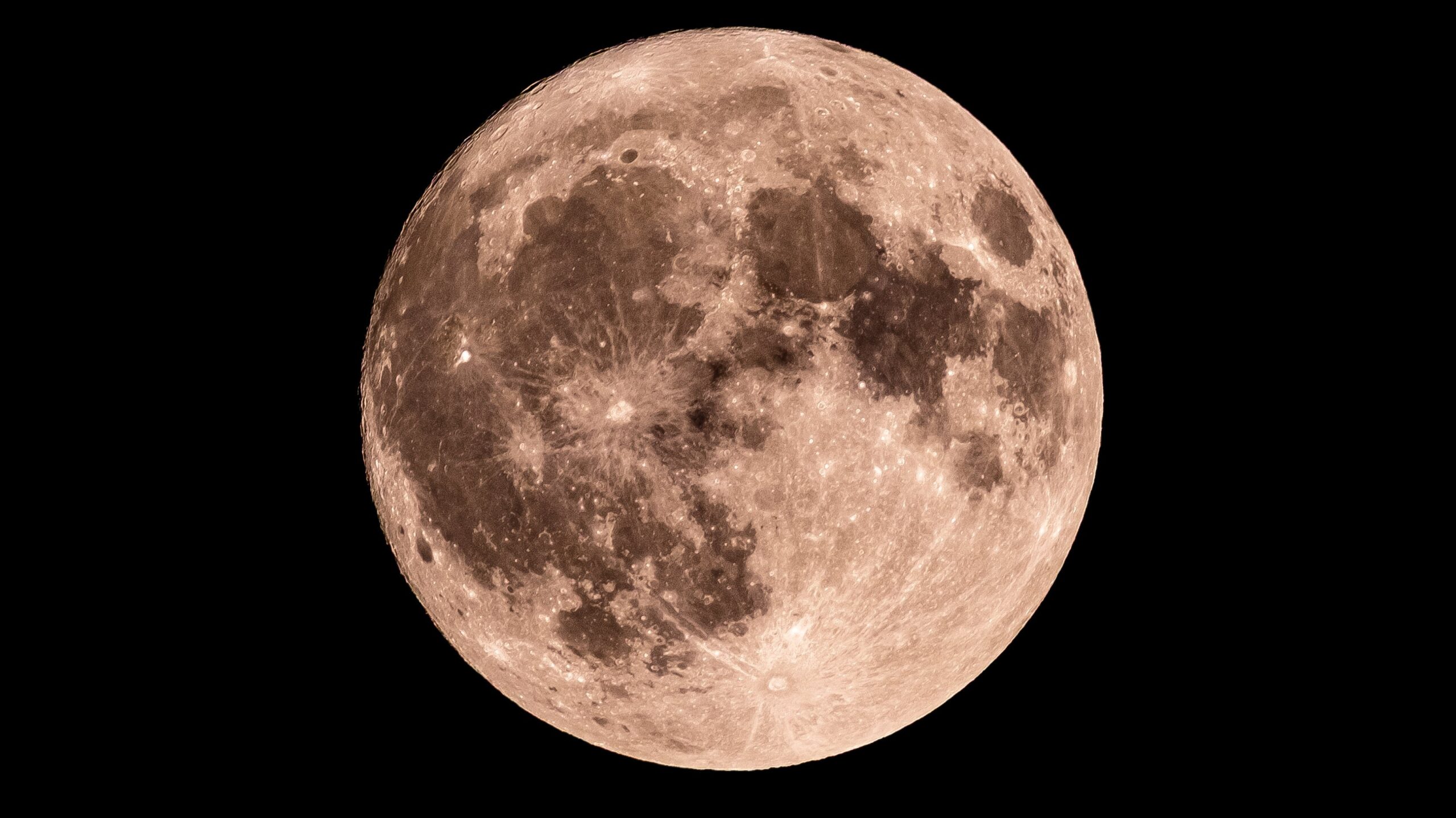
As of January 4, 2024, the Moon is in the Waning Gibbous phase, with approximately 98.6% of its surface illuminated. This phase follows the Full Moon, marking the start of the Moon’s transition toward the New Moon. As the nights progress, the Moon will gradually decrease in brightness.
Understanding moon phases is essential for astronomy enthusiasts and casual observers alike. According to NASA, the Moon completes its full cycle approximately every 29.5 days, known as the lunar cycle. During this period, the Moon passes through various phases as it orbits Earth, leading to visible changes in its appearance.
Detailed Phases of the Lunar Cycle
The lunar cycle comprises eight main phases, each reflecting the amount of sunlight reaching the Moon’s surface:
1. **New Moon**: The Moon is positioned between Earth and the Sun, rendering it invisible.
2. **Waxing Crescent**: A small portion of the Moon begins to light up on the right side.
3. **First Quarter**: Half of the Moon is illuminated, appearing as a half-moon.
4. **Waxing Gibbous**: More than half is illuminated, approaching fullness.
5. **Full Moon**: The entire face of the Moon is fully illuminated and visible.
6. **Waning Gibbous**: The illuminated portion starts to decrease on the right side.
7. **Third Quarter**: Another half-moon, but the left side is now illuminated.
8. **Waning Crescent**: A thin sliver of light remains on the left before the Moon becomes dark again.
The next full moon is scheduled for February 1, 2024, when the Moon will again appear fully illuminated.
The cyclical nature of the Moon’s phases not only captivates stargazers but also plays a significant role in various cultural and scientific practices. For example, many agricultural traditions align planting and harvesting schedules with lunar phases, believing that the Moon’s position can affect plant growth.
As the Waning Gibbous phase progresses, observers can look forward to witnessing the gradual change in the Moon’s luminosity. Whether for scientific observation, cultural significance, or simple enjoyment, the lunar cycle continues to be a source of fascination for many around the world.