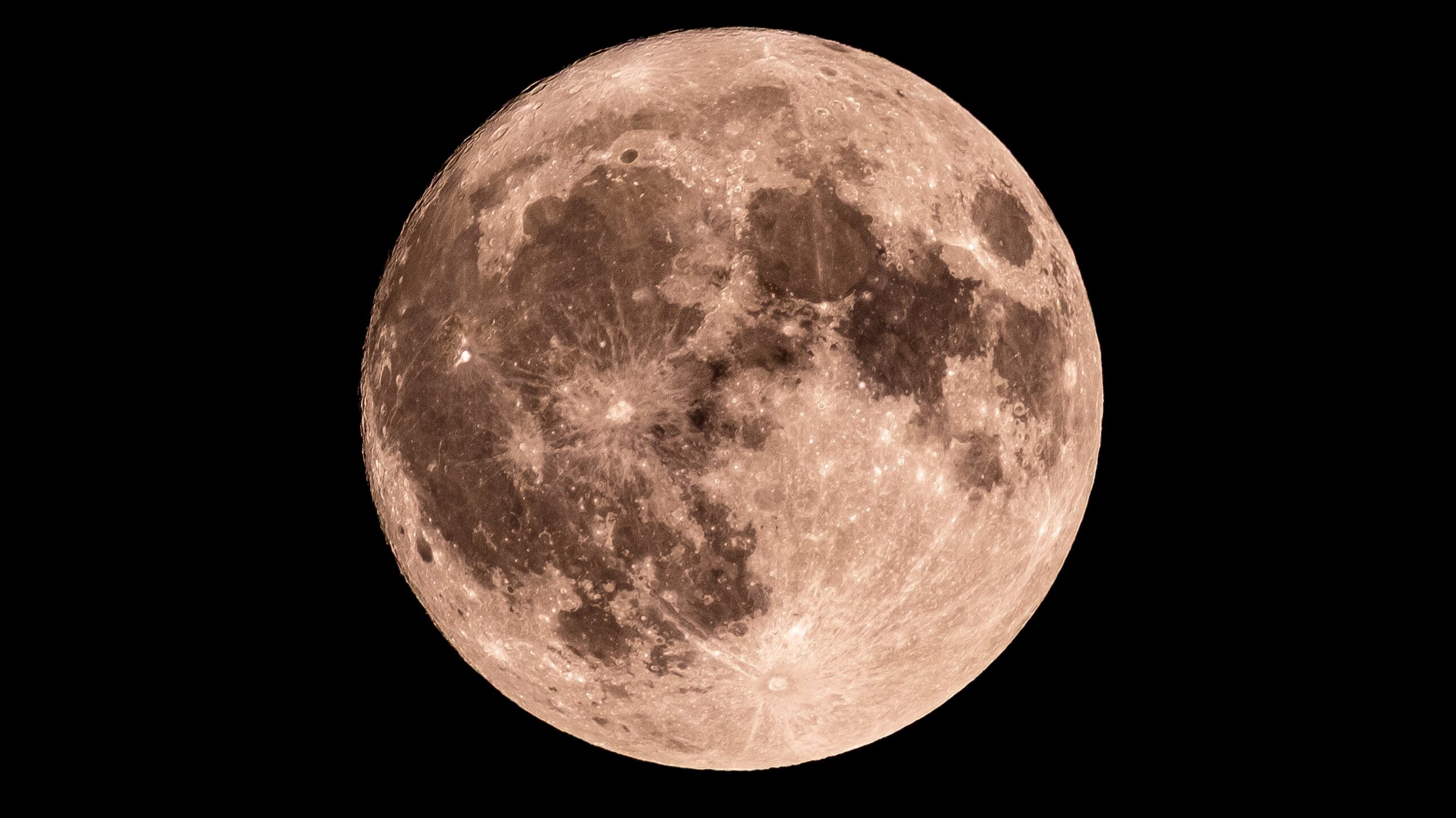
The Moon is transitioning into a new lunar cycle, marking the beginning of a phase where it will gradually increase in size and brightness each night. As of December 21, the Moon is in its Waxing Crescent phase, with only 2% of its surface illuminated, according to observations from NASA. This means that tonight, there will be minimal visibility of any surface features.
Understanding the Lunar Cycle
The lunar cycle takes approximately 29.5 days to complete, during which the Moon orbits Earth and transitions through various phases. Throughout this cycle, the side of the Moon facing Earth remains constant, but the amount of sunlight reflecting from its surface changes. This results in the Moon appearing fully illuminated, partially lit, or completely dark at different times.
The primary phases of the lunar cycle include:
- New Moon – The Moon is positioned between Earth and the Sun, rendering it invisible.
- Waxing Crescent – A small crescent of light appears on the right side.
- First Quarter – Half of the Moon is illuminated on the right, resembling a half-moon.
- Waxing Gibbous – More than half is lit but not yet full.
- Full Moon – The entire face of the Moon is illuminated.
- Waning Gibbous – The Moon begins to lose light on the right side.
- Third Quarter (or Last Quarter) – Another half-moon, but now the left side is illuminated.
- Waning Crescent – A thin sliver of light remains on the left before the cycle starts anew.
Upcoming Lunar Events
The next Full Moon is scheduled for January 3, following the previous Full Moon which occurred on December 4. As the Moon continues to brighten over the coming nights, stargazers can expect increasingly prominent views leading up to this next significant phase.
For those interested in lunar observation, the current Waxing Crescent phase may not provide much to see, but patience will reward enthusiasts as the Moon becomes more visible in the nights ahead. With each passing day, the lunar landscape will become more vibrant, inviting both casual observers and serious astronomers to gaze upon its celestial beauty.