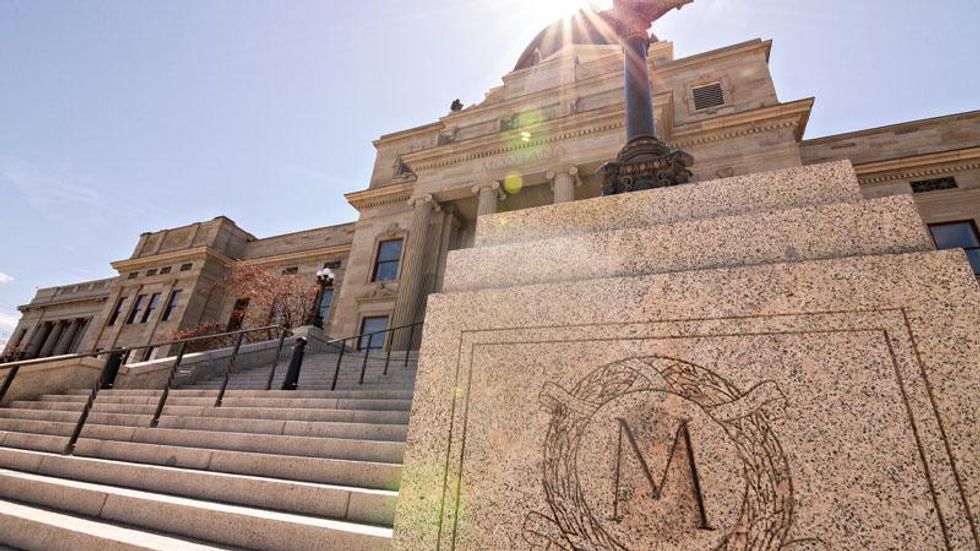
Montana is experiencing an unusual winter in January 2024, with temperatures hovering in the 50s Fahrenheit in Helena and nighttime lows often remaining in the 40s. This unexpected weather pattern has raised concerns among long-time residents who note the absence of snow and the setting of new high temperature records across the state.
Uncharacteristic Weather Patterns Raise Alarm
For some newcomers to the area, these mild temperatures may be perceived as pleasant. However, for those familiar with Montana’s winters, this deviation from the norm signifies a troubling trend. The mountains, typically blanketed in snow by this time of year, remain brown except for their peaks. This has led to a sense of seasonal dislocation among residents.
According to local meteorologists, the Sno-Tel sites that monitor snow depth show inconsistent accumulation. Reports indicate that while snowmobiles have found decent snow at elevations around 9,000 feet in the Tobacco Root Mountains, the lower elevations remain barren, presenting a stark contrast to expected winter conditions.
The current situation echoes the warnings given by environmentalists over the years regarding climate change. The consequences of excessive greenhouse gas emissions are becoming increasingly apparent, as Montana faces the realities of a warmer climate. The well-documented predictions about the impacts of climate change are manifesting in a state where winter is not behaving as it has historically.
Impacts on Environment and Policy
In light of these changes, concerns are rising about the policies affecting Montana’s natural resources. Some residents criticize the current administration and its stance on environmental regulations. The fossil fuel industry has been given more leeway, undermining efforts to manage climate impacts effectively. This shift has coincided with increased logging in national forests, despite uncertainties regarding the sustainability of these practices in a changing climate.
“The environmentalists were right and remain right, and many continue the struggle to try to save something for generations yet to come,” said George Ochenski, a long-time columnist and environmental activist in Montana.
Ochenski emphasizes the importance of preserving natural landscapes, which play a crucial role in carbon sequestration. While billions are invested in technological solutions to climate change, the natural processes provided by forests are being overlooked. The current logging practices threaten these vital ecosystems, raising questions about the long-term viability of Montana’s environment.
As residents reflect on the unusual weather, many are left pondering the future of winter in Montana. With temperatures more suited for April than January, the age-old question resonates: “Winter? What winter?” The challenges facing the state are emblematic of broader issues related to climate change and environmental stewardship, urging both policymakers and citizens to take action.
In a state known for its natural beauty, the current conditions serve as a reminder of the urgent need for sustainable practices that protect Montana’s landscapes for future generations.