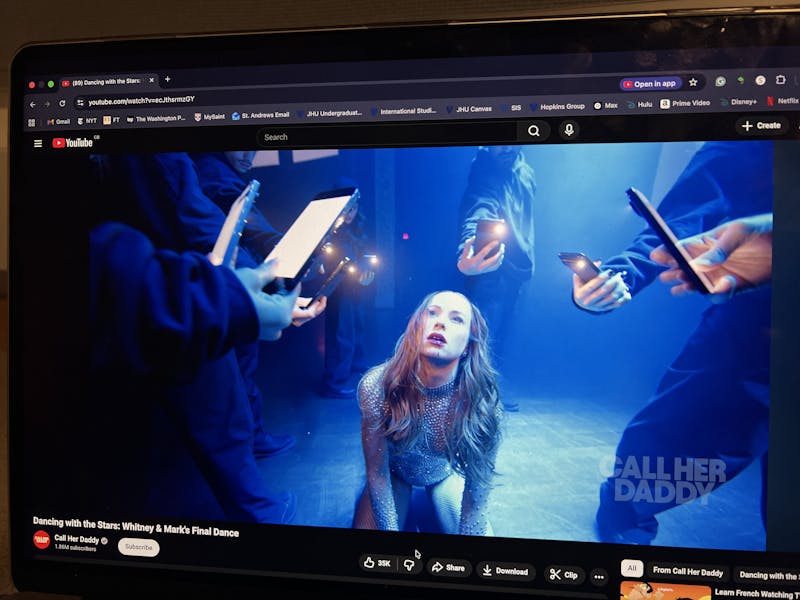
The latest season of Dancing With the Stars concluded with Robert Irwin and his partner, Witney Carson, taking home the coveted Mirrorball trophy. This year, the competition saw fans rallying around various contestants, but not without controversy. A significant focus of the season was the elimination of Whitney Leavitt from The Secret Lives of Mormon Wives, a decision influenced heavily by social media dynamics.
Social Media’s Role in Reality TV Voting
The elimination of Leavitt during the semi-finals sparked a discussion about the power of social media in shaping public opinion and voter behavior. Despite her talent, Leavitt was voted out, and her recent television exposure may have had the opposite effect on her popularity. Fans of the show often turned to platforms like TikTok and Instagram to voice their support for other contestants, inadvertently creating a collective bias against her.
This phenomenon raises questions about the psychological effects of groupthink, where individuals follow the majority opinion often without critical examination. Political Science student Alyssa Gonzalez notes this tendency mirrors broader societal issues, particularly in political contexts. As she observed, social media platforms reward outrage and simplified narratives, making it easier for users to engage in black-and-white thinking.
Political Implications of Simplified Narratives
The parallels drawn between reality television voting and political decision-making are striking. Gonzalez highlights the recent U.S. government shutdown, which marked the longest in history, as a case study of entrenched political positions. During this period, social media echoed polarized views, with users placing blame solely on one party or another. This lack of nuanced understanding reflects a troubling trend in political discourse.
The gridlock is rarely the fault of one person or party, but rather a product of institutional incentives and polarized media ecosystems.
Political analysts point out that this oversimplification limits the public’s ability to understand complex issues. Politicians often capitalize on this trend, presenting clear enemies to rally their constituents, thereby avoiding the multifaceted nature of governance. The algorithmic nature of social media exacerbates this issue, as it continually reinforces users’ existing beliefs.
As social media curates content that aligns with user engagement, it creates echo chambers that distort perceptions of reality. This phenomenon can lead to a situation where audiences are quick to vilify individuals or groups without fully understanding the implications of their actions. Gonzalez argues that this environment is detrimental not only to political discourse but also to societal cohesion.
To foster a healthier political culture, Gonzalez suggests that individuals must embrace complexity and resist the urge to simplify conflicts into narratives of good versus evil. This requires stepping back from social media and engaging with diverse perspectives. By doing so, individuals can begin to appreciate the nuances inherent in both political debates and reality television competitions.
In conclusion, while the Mirrorball trophy may symbolize victory in a dance competition, it also serves as a reminder of the need for critical engagement in an increasingly polarized society. As viewers and voters, it is essential to recognize the influence of social media and strive for a more nuanced understanding of the world around us. The task may be challenging, but it is vital for nurturing a more informed and empathetic society.