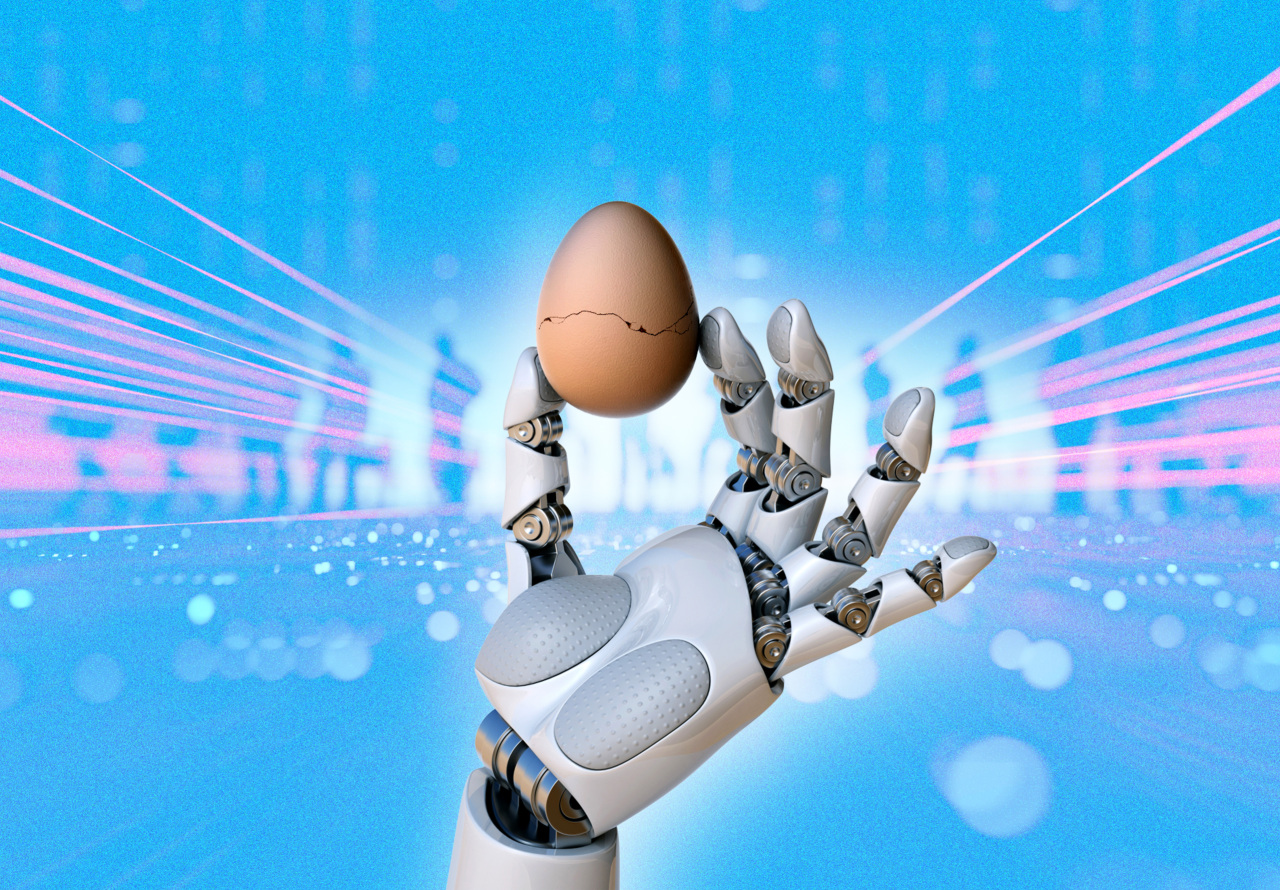
A significant shift is on the horizon as the humanoid robot market is projected to reach a staggering $5 trillion. This transformation, driven by advancements in artificial intelligence and robotics, promises to change various sectors, including healthcare and manufacturing. However, experts caution that achieving this milestone will require years of development and substantial technological improvements.
According to the International Robotics Association, while the potential for humanoid robots is vast, the current capabilities of these machines fall short of what is needed for widespread adoption. Significant enhancements in areas such as dexterity, artificial intelligence, and human-robot interaction are crucial. Research from Stanford University highlights that many existing robots still struggle with basic tasks like navigating complex environments or understanding human emotions.
Challenges to Overcome
Despite ambitious forecasts, industry leaders recognize that there are formidable challenges ahead. For instance, Boston Dynamics has made strides in developing agile robots, yet many of its models are not yet ready for everyday applications. The company’s Atlas robot, known for its impressive agility, has limitations in its ability to interact seamlessly with humans.
Additionally, the regulatory landscape poses another hurdle. Countries such as Japan, the United States, and members of the European Union are still grappling with how to integrate robots into society safely. Regulatory frameworks need to evolve to accommodate these technologies, ensuring they align with ethical standards and public safety.
The timeline for significant breakthroughs in humanoid robotics is uncertain. Some analysts suggest that we may not see the full impact of this technology until the late 2030s. The consensus is that while the potential exists, the journey will be gradual, emphasizing the importance of patience and continued investment in research and development.
Investment and Future Prospects
Investment in the robotics sector is robust, with companies like Tesla and various startups pouring resources into humanoid projects. Tesla’s ambitious plans for its Optimus robot illustrate the growing interest in developing machines that can perform tasks traditionally done by humans. As more entities enter the market, competition is expected to accelerate technological advancements.
However, financial backing alone will not suffice. Industry experts emphasize that a collaborative approach involving academia, private companies, and governments will be essential. This partnership can facilitate knowledge sharing and innovation, ultimately leading to breakthroughs that might expedite the arrival of functional humanoid robots.
In conclusion, while the humanoid robot market presents an exciting opportunity, it is clear that substantial work lies ahead. The road to a $5 trillion market is paved with challenges that require time, innovation, and cooperation across various sectors. As the world watches, ongoing developments will determine how quickly these robots can transition from futuristic concepts to everyday realities.