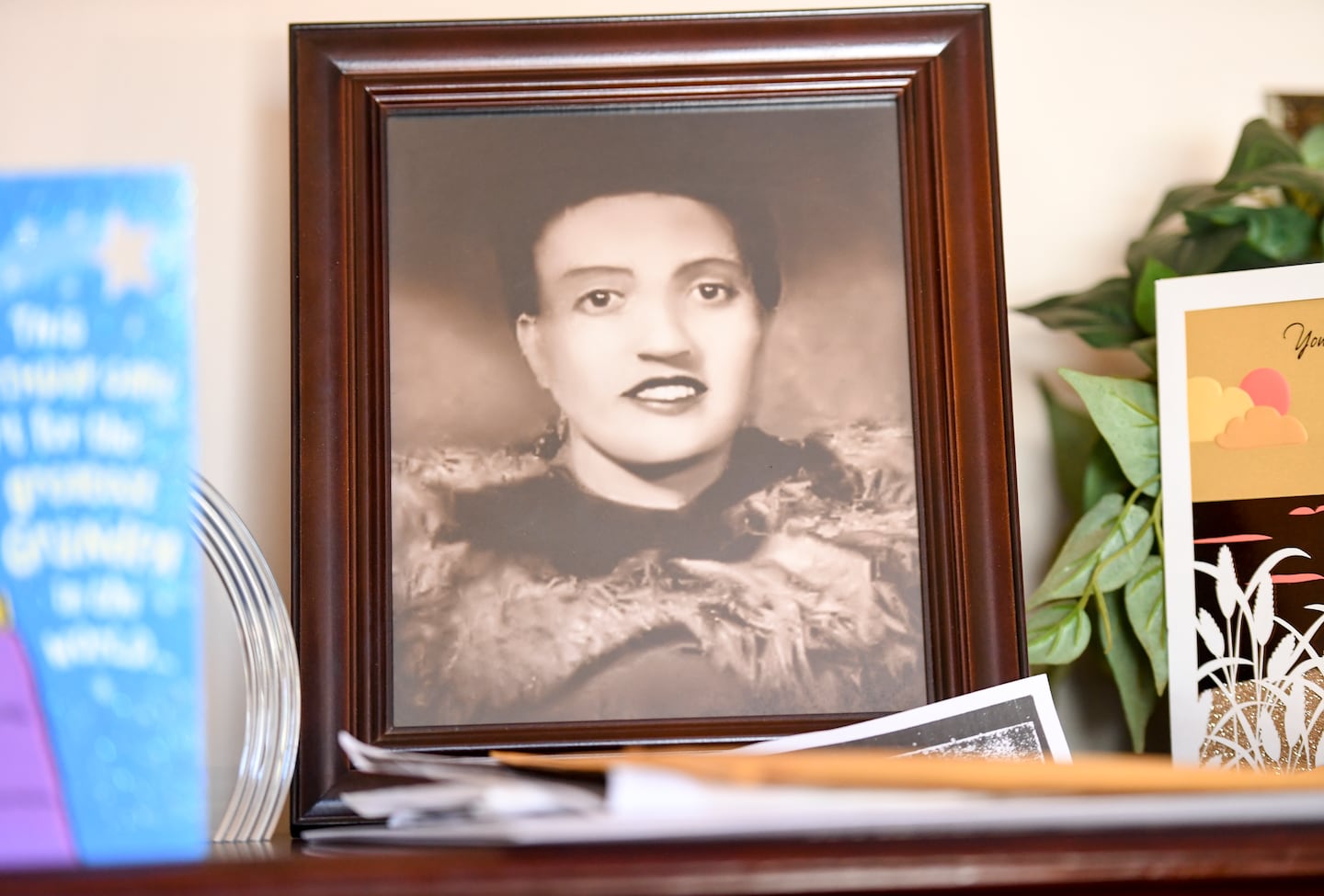
Seventy-five years ago, Henrietta Lacks unknowingly became a pivotal figure in medical history. In 1951, doctors at Johns Hopkins Hospital harvested cells from Lacks, an African American patient suffering from cervical cancer, without her consent. These cells, known as HeLa cells, would revolutionize medical research, contributing to the development of vaccines for polio and HPV, as well as treatments for diseases like HIV/AIDS and leukemia.
Lacks passed away in 1951, but her legacy endures through the continuous growth of her cells in laboratories worldwide. Researchers today reflect on the profound influence of HeLa cells on their work, recognizing the ethical implications of Lacks’s unwitting contribution. “To the modern researcher, the fact that cells were taken and established into an immortalized, forever-growing cell line from a patient that didn’t know that happened is astounding,” remarked Cigall Kadoch, an associate professor at Dana-Farber Cancer Institute and Harvard Medical School.
The story of Henrietta Lacks gained widespread attention following the 2010 publication of Rebecca Skloot‘s book, “The Immortal Life of Henrietta Lacks.” In recent years, Lacks’s family has taken legal action against biotechnology companies, including a confidential settlement with Thermo Fisher Scientific in March 2023 and another with the pharmaceutical giant Novartis earlier this month, claiming exploitation of their ancestor’s contributions to science.
Born in 1920 in Roanoke, Virginia, Lacks worked on a tobacco farm and married David “Day” Lacks in 1941, with whom she had five children. She first visited Johns Hopkins on February 1, 1951, complaining of a “knot” in her cervix. At that time, the hospital was one of the few providing public medical care for African American patients. Unfortunately, a common practice among doctors was to use public ward patients for research without their knowledge.
After being diagnosed with cervical cancer, Lacks signed a form consenting to any necessary operations under anesthesia. During her treatment, samples from both her tumor and healthy tissue were taken without her knowledge for Dr. George Gey to culture. He named the cells HeLa, derived from the first two letters of her first and last names.
Initially, scientists struggled to keep human cells alive outside of the body, but Gey discovered that Lacks’s cancerous cells replicated rapidly. He shared these cells with researchers globally, gaining recognition for cultivating the first immortal human cell line, all while Lacks remained unacknowledged.
Dr. Sabrina Assoumou, an infectious disease physician at Boston Medical Center, credits her research on HIV to the foundational work conducted with HeLa cells. Assoumou is currently involved in disseminating a long-acting HIV medication approved by the FDA under the brand name Sunlenca. She emphasizes the importance of making this treatment accessible to marginalized communities.
“HeLa cells have been really critical for many scientific discoveries, especially for understanding how HIV infection works,” Assoumou stated. In the early stages of the HIV/AIDS epidemic, researchers learned that HeLa cells do not get infected by the virus in the same way immune cells do. This insight allowed them to alter the DNA of HeLa samples to study HIV’s effects.
Kadoch’s lab at Dana-Farber works directly with HeLa cells, enabling advancements in gene sequencing to uncover the genetic factors of various cancers. “Cancer is not one disease, but a very diverse, heterogeneous collection of many different diseases,” she noted. Despite the progress, establishing cell lines for all cancer types remains challenging due to the variability of human cells in different lab conditions. “We often say no two HeLa cell lines from two different labs are the same,” Kadoch explained.
Beyond scientific breakthroughs, the story of Henrietta Lacks has prompted a significant reevaluation of ethical standards regarding informed consent in research. Assoumou co-developed a course at Boston Medical Center aimed at educating medical interpreters about clinical trial challenges, addressing historical medical mistrust, including the cases of Lacks and the Tuskegee syphilis study.
“We’ve learned and developed procedures to help us be better researchers,” Assoumou said. “I can say that today I’m a better researcher because of the practices that were put in place after what happened to Lacks.”
Kadoch emphasized that informed consent is vital for ensuring diversity among research participants. Understanding the genetic diversity of cancer can lead to better outcomes in treatment. “We’ll do a better job for our worldly effort against cancer if we understand the heterogeneous repertoire of individuals that get these diseases,” she stated.
As researchers continue to build on the legacy of HeLa cells, Kadoch encourages her colleagues to recognize the contributions of patients like Lacks. “Know what you work with, and where it came from,” she advised, reminding the scientific community of the human stories behind their work.
The lasting impact of Henrietta Lacks serves as a powerful reminder of the ethical responsibilities that accompany scientific progress.