First-year Ph.D. students in biomedical programs across the United States are facing significant challenges due to declining funding opportunities. This situation has left many aspiring scientists, including those at prestigious institutions, struggling to secure laboratory placements vital for their research.
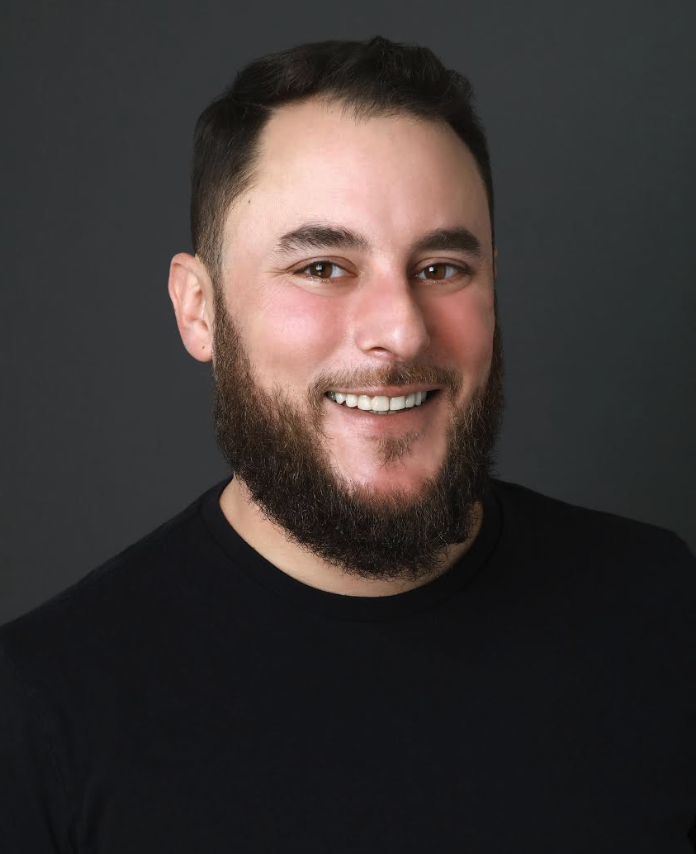
Alex Sathler, an incoming bioengineering Ph.D. student at the joint program of University of California, Berkeley and UC San Francisco, experienced the highs and lows of this funding crisis first-hand. After being awarded a coveted National Science Foundation (NSF) fellowship valued at $37,000 annually for three years, he felt optimistic about his future. However, he soon encountered barriers when two labs declined to accept him due to financial constraints.
The challenges are not unique to Sathler. Many first-year biomedical graduate students reported similar experiences, as funding from the National Institutes of Health (NIH) has decreased, leading to fewer available positions in well-funded laboratories. This scarcity has intensified competition, leaving some students questioning their prospects in academic research. “The strain that you’re hearing is real,” stated Chevelle Newsome, president of the Council of Graduate Schools, which includes over 450 member universities. “These are deep issues that we should be concerned about.”
In response to the uncertain funding landscape, some Ph.D. programs preemptively reduced their incoming class sizes by up to a third. This decision comes in light of anticipated funding cuts from the previous administration, although recent data shows an uptick in overall biomedical graduate enrollment. The implications of this trend are far-reaching, as students typically dedicate their first year to rotations, allowing them to explore different labs before committing to a specific research group.
However, as Hannah Barsouk, a Stanford biochemistry student, noted, many labs are hesitant to accept new students due to funding uncertainties. She has contacted 30 to 40 labs and found that six to ten have explicitly stated they cannot guarantee financial support for new students. “Funding issues have cast a ‘cloud of general anxiety’ over my first year,” she said, highlighting the psychological toll this situation has taken on her and her peers.
Some institutions, like Georgia Tech and Emory University, have adapted their admission processes due to funding concerns, switching to a direct-admission system. This change requires applicants to secure a lab willing to host them before being offered admission, shifting the responsibility onto students to navigate the landscape without the benefit of firsthand experience in the labs.
While Stanford has not adopted a similar approach, it has reduced its independent funding support for bioscience graduate students from four years to two. This adjustment means that advisors must cover student stipends from their research grants after the second year, unless students secure additional funding. As Joe Wu, director of the Stanford Cardiovascular Institute, explained, this change necessitates a more selective process for accepting students.
The implications of these funding challenges extend beyond immediate placements. One biology student, who wished to remain anonymous, shared her frustration after a professor who initially guaranteed her a position later indicated that she needed to secure NSF funding to join the lab. This shift left her feeling deceived and uncertain about her future.
Despite these obstacles, many first-year students, including Sathler, still have time to find suitable labs, typically until the start of their second year. There is some hope for easing funding pressures, as congressional appropriations committees have recently endorsed a slight budget increase for the NIH, although a compromise bill is still pending in the Senate.
Yet, the turbulence surrounding federal funding and its impact on academic research has led some students to reconsider their long-term ambitions. The biology student mentioned earlier has even applied to other graduate programs, seeking a different environment amidst growing concerns about the sustainability of their career paths. “I still very much want to be a professor, and I just don’t know if that’s ever going to be possible because of the way NIH and NSF are being dismantled,” she reflected.
As the academic landscape continues to shift, the experiences of Sathler, Barsouk, and their peers underscore a pressing need for solutions to ensure that future generations of scientists can thrive in their chosen fields. The current funding climate poses significant challenges, but it also presents an opportunity for institutions and policymakers to address these issues head-on, fostering a more sustainable environment for research and innovation.