The Geminids meteor shower is set to reach its peak on the night of December 13-14, offering skywatchers a spectacular display. Unlike the more famous Perseids meteor shower, which occurs in August, the Geminids are celebrated among astronomers for their intensity and reliability. Already active since December 4, the shower promises to showcase more than 100 meteors per hour for those viewing from dark, rural locations.
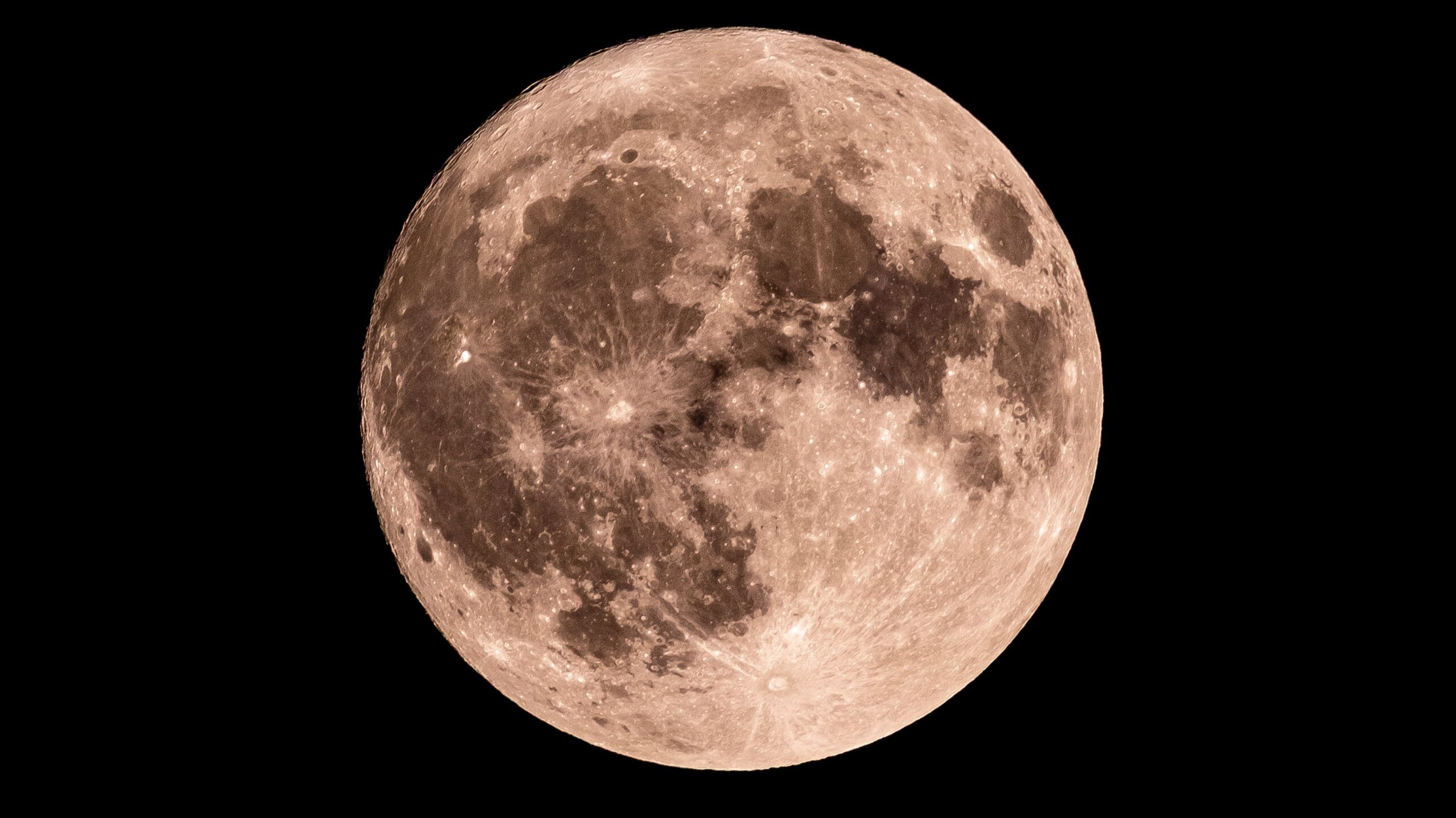
The meteors will appear to radiate from a point near the star Castor in the constellation Gemini, known as the twins. Observers looking south-east at midnight on December 13 will be treated to a dazzling spectacle as meteors streak across the sky. This year, conditions are particularly favorable due to the absence of bright moonlight, allowing for clearer visibility of the celestial event.
What sets the Geminids apart from other meteor showers is their origin. Instead of coming from comet debris, the Geminids are formed from dust emitted by the asteroid 3200 Phaethon. This unique source contributes to their brightness and frequency, making them a favorite among both amateur and professional astronomers.
Jupiter will also enhance the viewing experience this year, as it shines brightly in the night sky. The planet is nearing its closest approach to Earth, expected to occur in January 2024, adding another layer of interest for stargazers.
While the Geminids are best observed from the northern hemisphere, viewers in the southern hemisphere can still enjoy the show once the radiant rises around midnight. Those eager to witness this astronomical event are encouraged to find locations far from artificial lights to maximize their experience.
In summary, the peak of the Geminids meteor shower presents an exciting opportunity for enthusiasts and casual observers alike. With optimal viewing conditions and the added allure of Jupiter, the night of December 13-14 promises to be a highlight for anyone keen on witnessing one of nature’s most stunning displays.