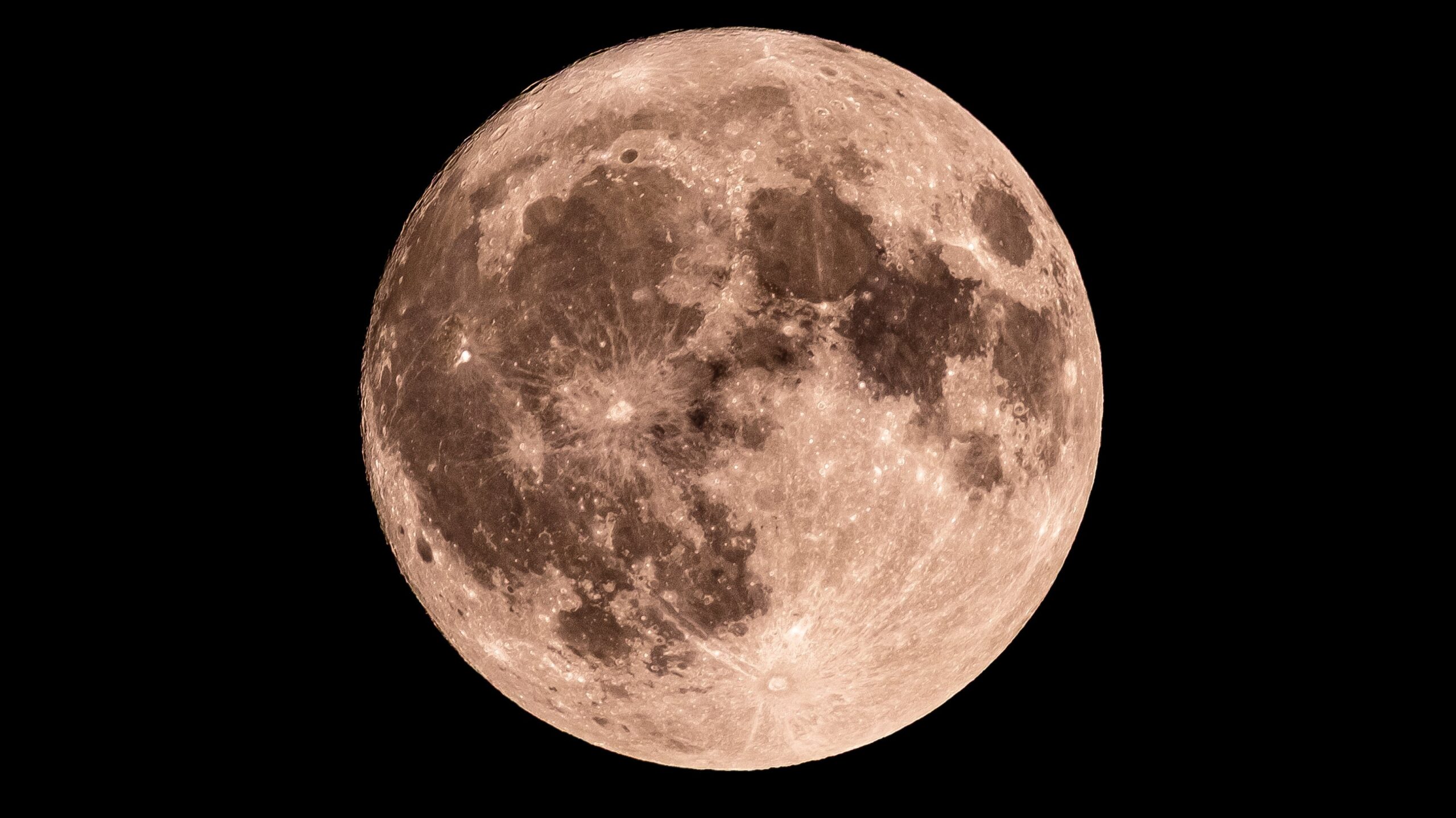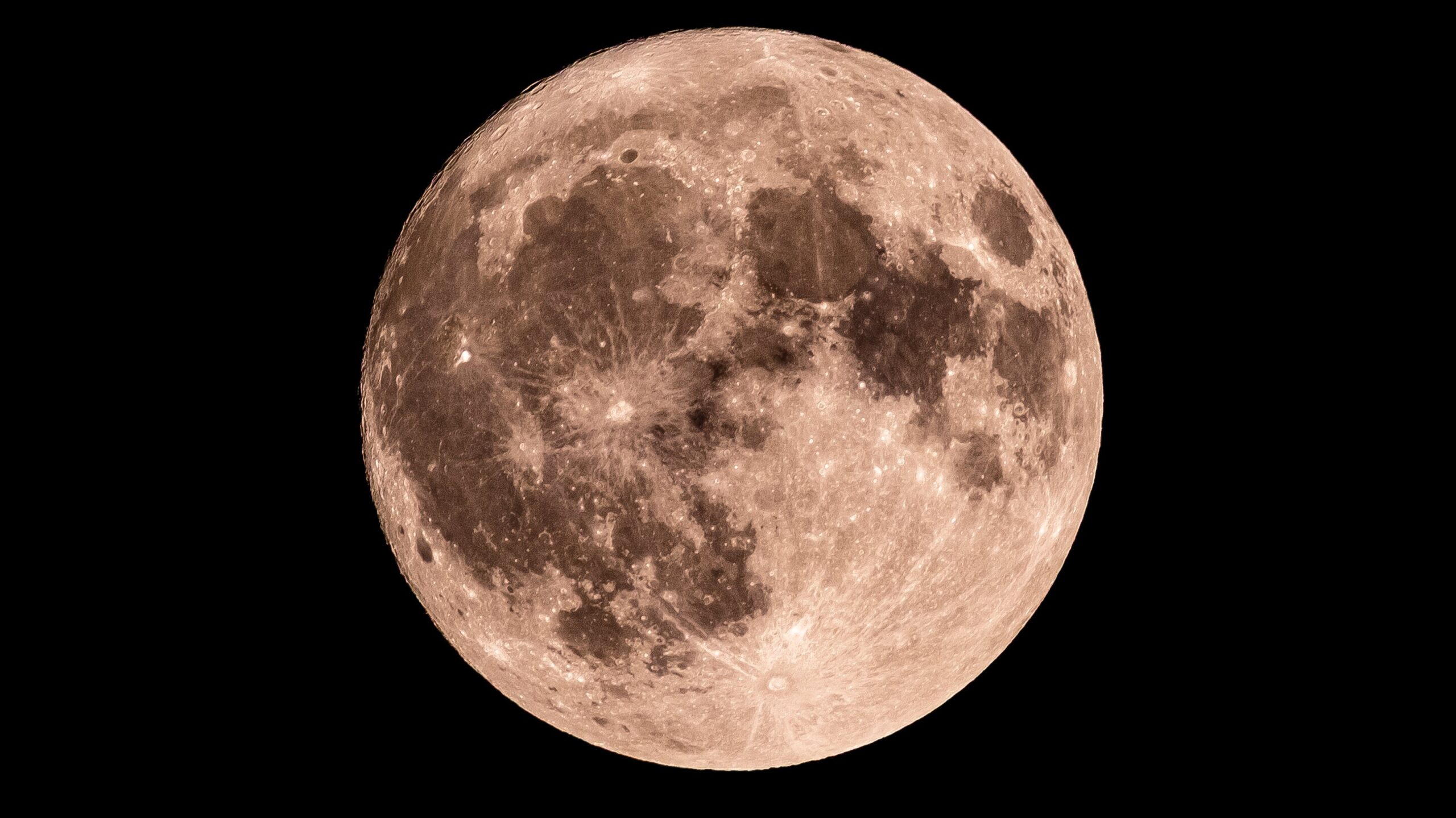
The Moon is currently in the Waxing Gibbous phase, with approximately 94% of its surface illuminated as of March 1, 2024. This phase occurs just two days before the upcoming Full Moon, which is set to take place on March 3. Stargazers can take advantage of clear skies tonight to observe notable features on the lunar surface.
NASA’s Daily Moon Guide reports that those observing the Moon with the naked eye will be able to see the prominent Mare Imbrium and Mare Crisium, as well as the Tycho Crater. For enthusiasts with binoculars, the Mare Nectaris and Mare Frigoris are also visible, along with the Endymion Crater. Telescope users will enjoy an even more detailed view, including the landing sites of the Apollo 15 and Apollo 17 missions, and the Schiller Crater.
Understanding Lunar Phases
To fully appreciate the current phase of the Moon, it is essential to understand the lunar cycle. The Moon takes about 29.5 days to orbit the Earth, transitioning through eight distinct phases. These phases result from the changing positions of the Moon, Earth, and Sun, affecting how much of the Moon’s surface is illuminated from our perspective.
The lunar phases are as follows:
– **New Moon**: The Moon is positioned between Earth and the Sun, making it invisible to the naked eye.
– **Waxing Crescent**: A small sliver of light appears on the right side.
– **First Quarter**: Half of the Moon is illuminated on the right side, resembling a half-Moon.
– **Waxing Gibbous**: More than half is lit, leading up to the Full Moon.
– **Full Moon**: The entire face of the Moon is fully illuminated.
– **Waning Gibbous**: The Moon begins to lose light on the right side.
– **Third Quarter**: Half of the Moon is illuminated on the left side.
– **Waning Crescent**: A thin sliver of light remains on the left side before the Moon returns to darkness.
As the lunar cycle progresses, the changing light creates a captivating spectacle that has fascinated humans for centuries. Tonight’s Waxing Gibbous phase offers an excellent opportunity for both amateur and seasoned astronomers to explore the Moon’s surface.