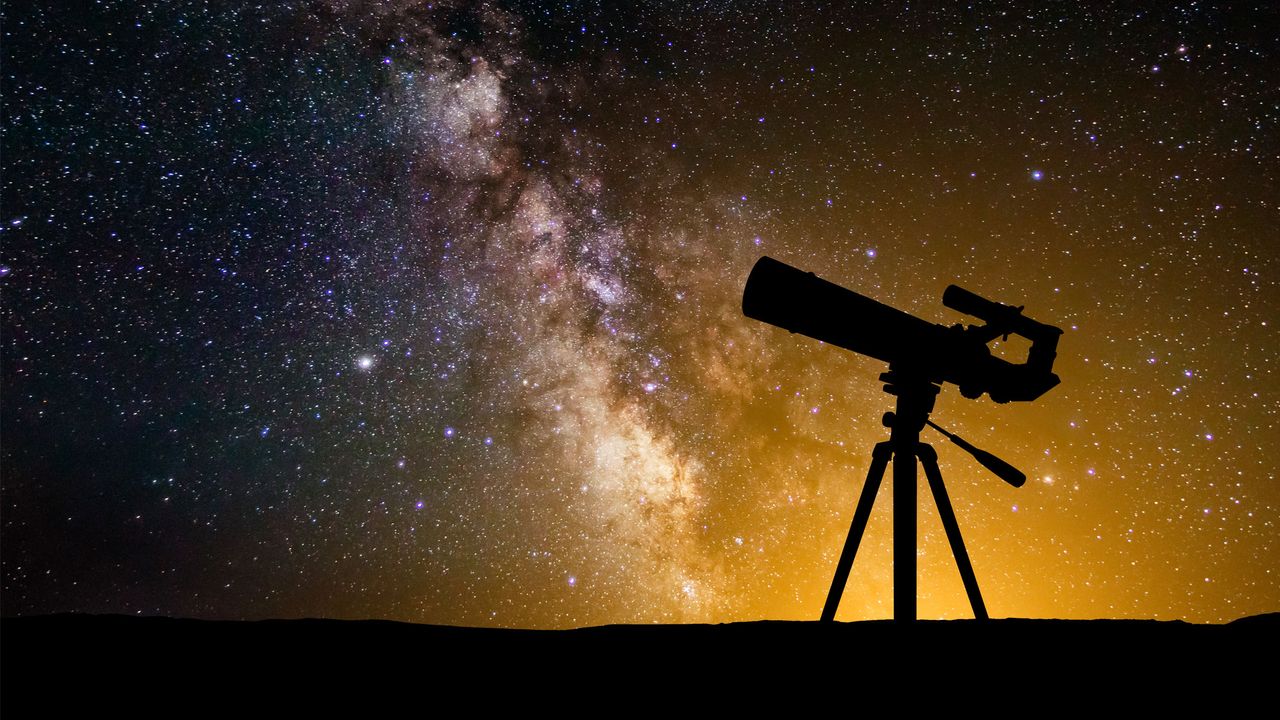
As the holiday season approaches, many enthusiasts will be unboxing new telescopes, eager to explore the cosmos. From December 25, 2025, to New Year’s Eve, the sky offers a spectacular view with a waxing crescent moon, the bright planet Jupiter, and various deep-sky objects. This period is also highlighted by the Wolf Supermoon in the first week of January 2026, making it an ideal time for both seasoned astronomers and newcomers to embark on their celestial journeys.
Setting Up Your Telescope
Before diving into the wonders of the universe, it is crucial to ensure your telescope is properly set up. Assemble your telescope while there is still daylight, following the instructions included in the box. Taking the time to level the tripod and familiarize yourself with the knobs and levers will enhance your viewing experience. Align the finder scope with a distant object—such as a tree—so that what you see in the finder matches the eyepiece. This step is vital for successful observations later.
Setting up during the day allows the telescope to cool down, which can lead to sharper views at night. Once the sun sets, aim to familiarize yourself with your telescope’s settings and focus on bright celestial bodies rather than fainter objects that may be challenging to locate initially.
Ideal Targets for Beginners
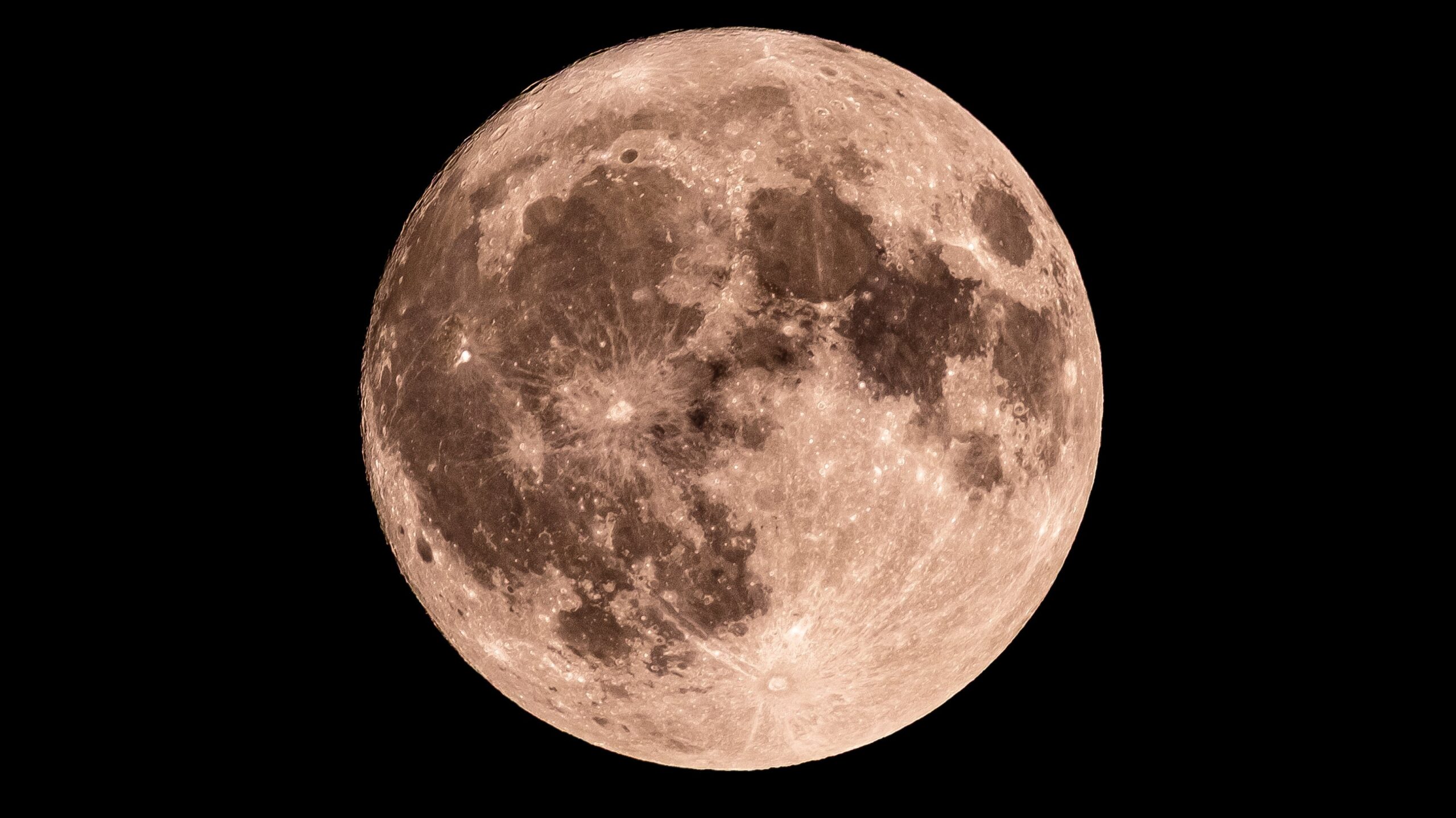
A crescent moon is an excellent first target for new telescope owners. During the last week of December 2025, the moon will be in a favorable position for evening observations. Starting from a thick crescent on Christmas Day, it transitions to a half-lit first quarter moon by December 27, making it easily visible shortly after sunset.
Most beginner telescopes are equipped with two eyepieces: a 10mm and a 25mm. It is advisable to begin with the lower power 25mm eyepiece, which offers a wide field of view. This will help in locating the moon and adjusting the focus until you achieve a clear image. Observing the terminator—the line dividing the illuminated and dark portions of the moon—will reveal craters and mountains, creating an exciting visual experience.
For those eager to explore further, the winter night sky is filled with iconic constellations and deep-sky objects. In late December and January, constellations such as Orion, Taurus, Auriga, and Gemini dominate the southeastern sky, offering a roadmap for new telescope owners.
Exploring Planets and Deep-Sky Objects
Planets are among the most rewarding targets for novice astronomers. Jupiter shines brightly in the night sky, especially as it approaches opposition on January 10, 2026. At this point, Earth will be directly between Jupiter and the sun, making the planet appear larger and more vibrant. To locate Jupiter, look east for the brightest object that does not twinkle, which is situated near the “twins” of Gemini, Castor and Pollux.
Once you have centered Jupiter in the finder, switch to the 25mm eyepiece for a clearer view. With a little patience, you might observe one or two dark cloud bands and up to four of its moons—Ganymede, Callisto, Europa, and Io—lining up alongside the planet.
Saturn is another highlight for this season, visible in the southwestern sky shortly after sunset. Although it is lower and fainter than Jupiter, even modest telescopes can reveal its iconic rings. Employ the same method of locating it with the finder before switching to a higher power eyepiece for a better view.
The northern winter sky is rich with classic targets ideal for first-time telescope users, including the Orion Nebula (M42), the Pleiades (M45), and the Andromeda Galaxy (M31). In the Southern Hemisphere, the Carina Nebula and the Large and Small Magellanic Clouds present stunning sights during this period.
For those in the Southern Hemisphere, the same targets are available, with the Orion Nebula and Pleiades remaining prominent. Familiarizing oneself with these constellations and their associated objects will significantly enhance the viewing experience.
After your initial observations, take the time to gradually build your knowledge and experience. Utilize clear, dark nights, particularly between the last quarter moon and the new moon, to explore the vastness of the night sky. As you become more comfortable, the overwhelming infinity of stars will transform into a familiar landscape.
In conclusion, whether you are new to astronomy or revisiting it, patience and practice will pay off. With a sky full of celestial wonders waiting to be explored, your new telescope promises an exciting journey into the cosmos.