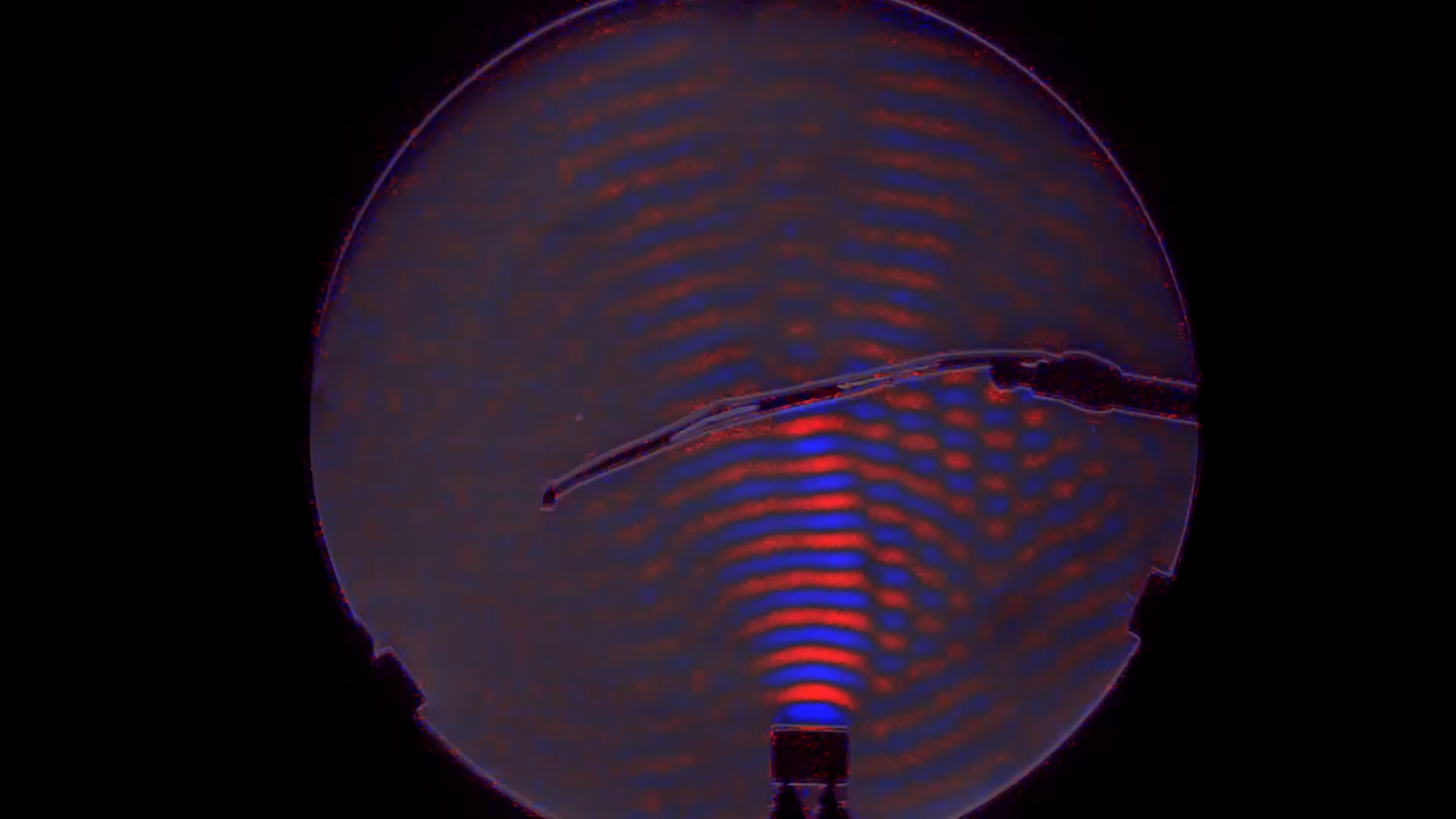
A new imaging technique developed by PlasmatronX allows users to visualize sound waves for under $200. This innovative approach leverages a camera system that captures the subtle changes in air density caused by sound pressure waves. The method utilizes principles from Schlieren imaging, traditionally used to visualize air currents, to reveal the invisible dynamics of sound.
The technology employs a concave mirror to amplify the refraction of air at different densities. Unlike conventional Schlieren setups that focus on heat-induced air movement, PlasmatronX targets the pressure waves that we interpret as sound. This unique application transforms sound waves into visible patterns, offering a fascinating glimpse into the often-overlooked aspects of auditory experiences.
To create this sound visualization, a specialized camera setup is essential. High-speed cameras capable of capturing the rapid fluctuations associated with sound often come with a hefty price tag. Instead, PlasmatronX has developed a synchronized audio and optical capture system that is more affordable. This system requires modifications to audio circuits, including the removal of high-pass filters, and overvolting the LED flash to allow for faster strobe effects.
For those interested in experimenting with this technology, PlasmatronX has made the project available on GitHub, encouraging enthusiasts and researchers to try their hand at visualizing sound. The project highlights a growing trend in accessible imaging techniques that push the boundaries of how we perceive and interact with sound.
This innovative approach to sound visualization is not just a novelty. It represents a significant step toward making advanced imaging accessible to a wider audience. As technology continues to evolve, the potential applications of such techniques could extend into various fields, including education, art, and even scientific research.
In a world where visual stimuli often dominate our experiences, PlasmatronX’s work exemplifies the creative intersection of technology and artistry. By transforming sound into visible forms, this project invites us to appreciate the complexities of the auditory world in ways we never thought possible.