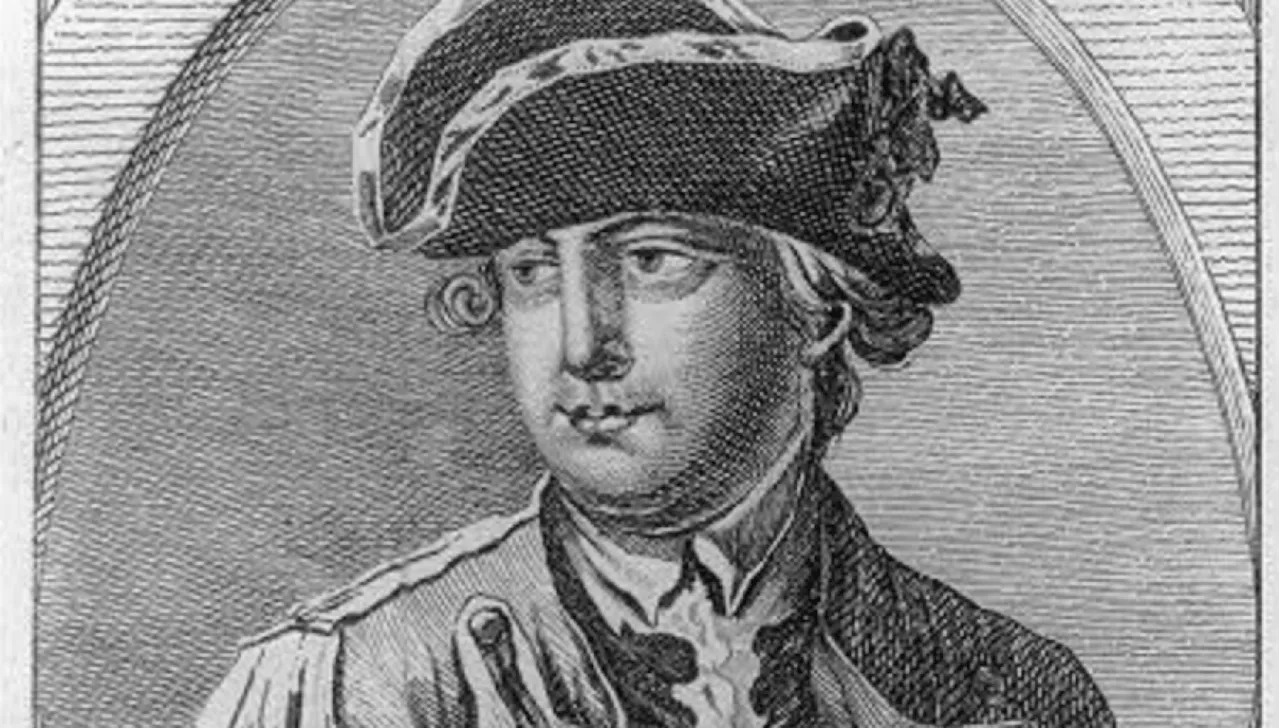
On January 8, 1776, General George Washington instructed Major General Charles Lee to urgently prepare defenses in New York City in response to British military activity. Washington’s order came after observing British ships being outfitted in Boston, which he believed were poised to seize control of New York and the vital Hudson River.
Washington recognized the strategic importance of New York, understanding that its loss would grant the British command over the interior of the continent and facilitate their communication with Canada. In his correspondence to Lee, he emphasized the necessity of preventing enemy forces from occupying the city, stating that the situation was critical for the future of American independence.
He detailed specific directives for Lee’s mission, urging him to gather volunteers and coordinate with local military leaders in New Jersey. Washington instructed him to fortify the city and disarm individuals on Long Island who were suspected of harboring loyalties to the British Crown. The general also highlighted the need to assess the condition of fortifications along the North River to guard against surprise attacks.
Washington articulated the urgency of the situation, noting that the season and circumstances required swift action. He advised Lee to act decisively, leveraging his judgment and the counsel of those committed to the colonial cause. In his letter, Washington wrote, “The Importance alone is a sufficient excitement,” stressing the need for immediate mobilization of resources and personnel.
This communication illustrates the tense atmosphere of early 1776 as the American Revolutionary War was beginning to unfold. With the British poised to assert their dominance, Washington’s orders underscored not only the military challenges faced by the Continental Army but also the stakes involved in securing independence from British rule.
As the Continental Congress prepared for its pivotal role in the revolution, Washington’s leadership became increasingly vital. His proactive measures aimed at defending New York reflected a broader strategy to consolidate American forces and maintain control over critical locations.
In the context of this historical moment, the actions taken by Washington and Lee would ultimately contribute to shaping the course of the revolution, as the fight for independence intensified in the months that followed.