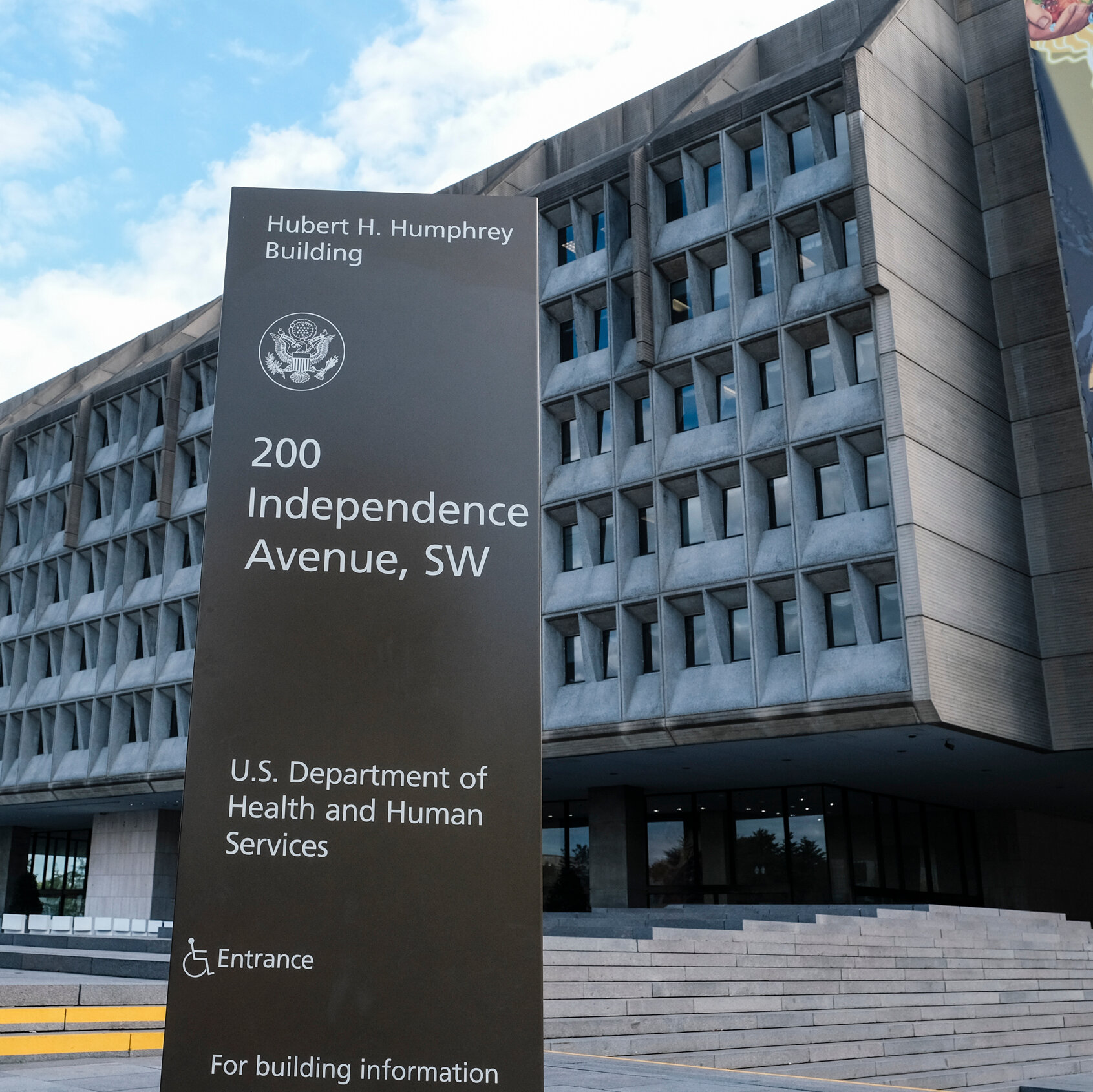
The U.S. Department of Health and Human Services has announced a pause on **$10 billion** in funding earmarked for five Democratic-led states, raising concerns over the potential impact on essential services. The funding freeze affects **California**, **Colorado**, **Illinois**, **Minnesota**, and **New York**, and could jeopardize various programs, particularly those providing child care and support for vulnerable households.
This funding halt is poised to disrupt services that cater to hundreds of thousands of families across these states. The Department’s decision has drawn criticism from state officials who argue that the suspension could exacerbate existing challenges within the child care system and related services.
Impact on Child Care and Household Support
In California, for instance, the funding pause threatens to undermine programs that have become vital for working families. Child care centers depend heavily on federal assistance to maintain operations and provide affordable services. The **California Department of Social Services** highlighted that delays in federal funding could lead to closures or reduced hours for many facilities, thereby limiting access for families in need.
Similarly, in **New York**, the funding freeze may hinder efforts to enhance child care accessibility. State officials have expressed concern that this decision could result in significant ramifications for low-income families already struggling to secure adequate child care options. The **New York State Office of Children and Family Services** emphasized that the state relies on these funds to support a range of programs designed to uplift disadvantaged communities.
Reactions from State Officials
Officials from the affected states have responded with disappointment, asserting that the funding suspension is a politically motivated move rather than a decision based on fiscal responsibility. **Illinois Governor J.B. Pritzker** criticized the **Health Department’s** action, stating that it undermines years of investment in public services designed to support families. He called for a swift resolution to ensure that essential programs continue without interruption.
**Colorado Governor Jared Polis** echoed these sentiments, arguing that families should not have to bear the brunt of political disagreements. He emphasized the necessity of federal support in maintaining critical services, particularly during a period when many households are still recovering from economic disruptions.
The **Department of Health and Human Services** has yet to provide a detailed explanation for the funding suspension. Observers suggest that this pause may be part of a broader strategy to realign spending priorities, although specifics remain unclear.
As the situation unfolds, state leaders are urging for immediate dialogue with federal representatives to restore funding and safeguard essential services. The potential long-term effects on child care and support programs underscore the critical nature of this funding, not just for the states involved but for the families relying on these services.
This funding freeze serves as a reminder of the contentious intersection of politics and public welfare, highlighting the challenges faced by states in securing necessary resources to support their most vulnerable populations.