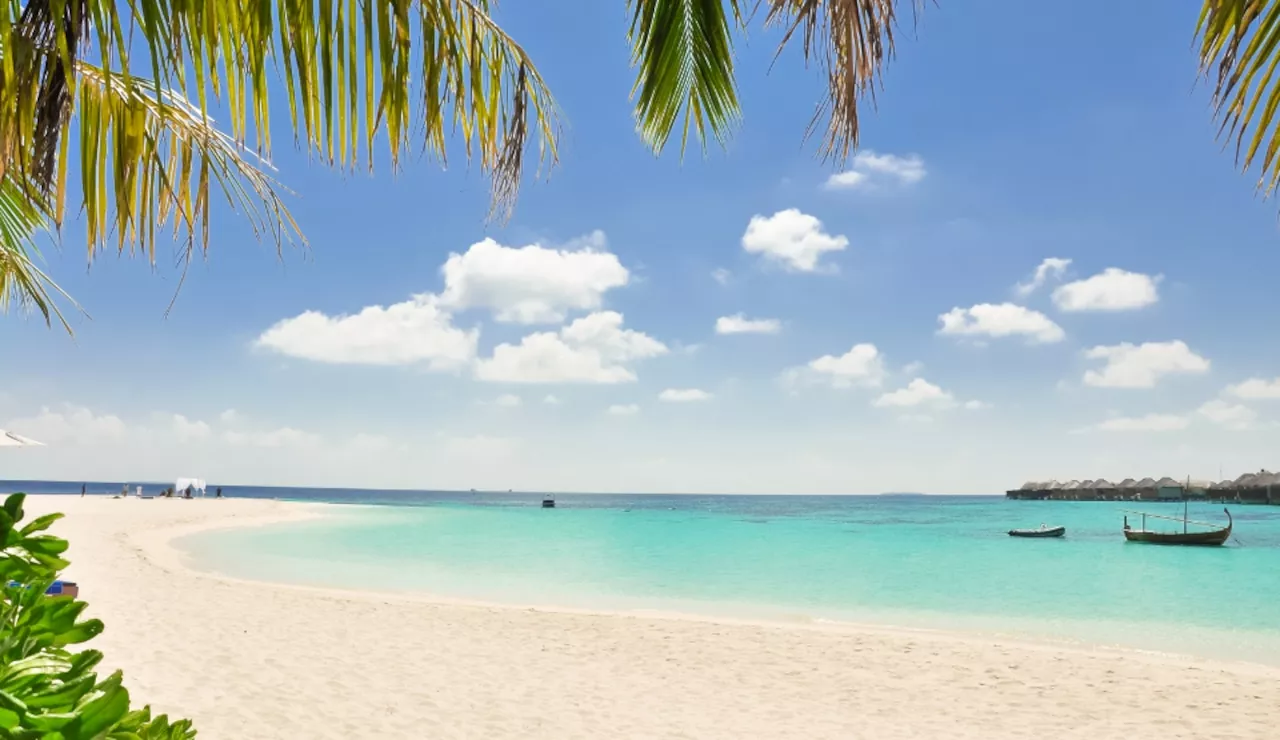
The U.S. government announced an expansion of its travel ban, which will now include the Caribbean nations of Antigua and Barbuda and Dominica. This change is set to take effect on January 1, 2026, as part of a broader policy impacting citizens from 20 countries and the Palestinian Authority.
The new restrictions prohibit entry to the United States for citizens of these nations, with exceptions made for lawful permanent residents and current visa holders. Certain individuals, such as athletes, diplomats, and others under special circumstances, will also be exempted from the ban. The administration emphasized that these measures are vital to mitigate risks posed by foreign nationals about whom the U.S. lacks adequate information.
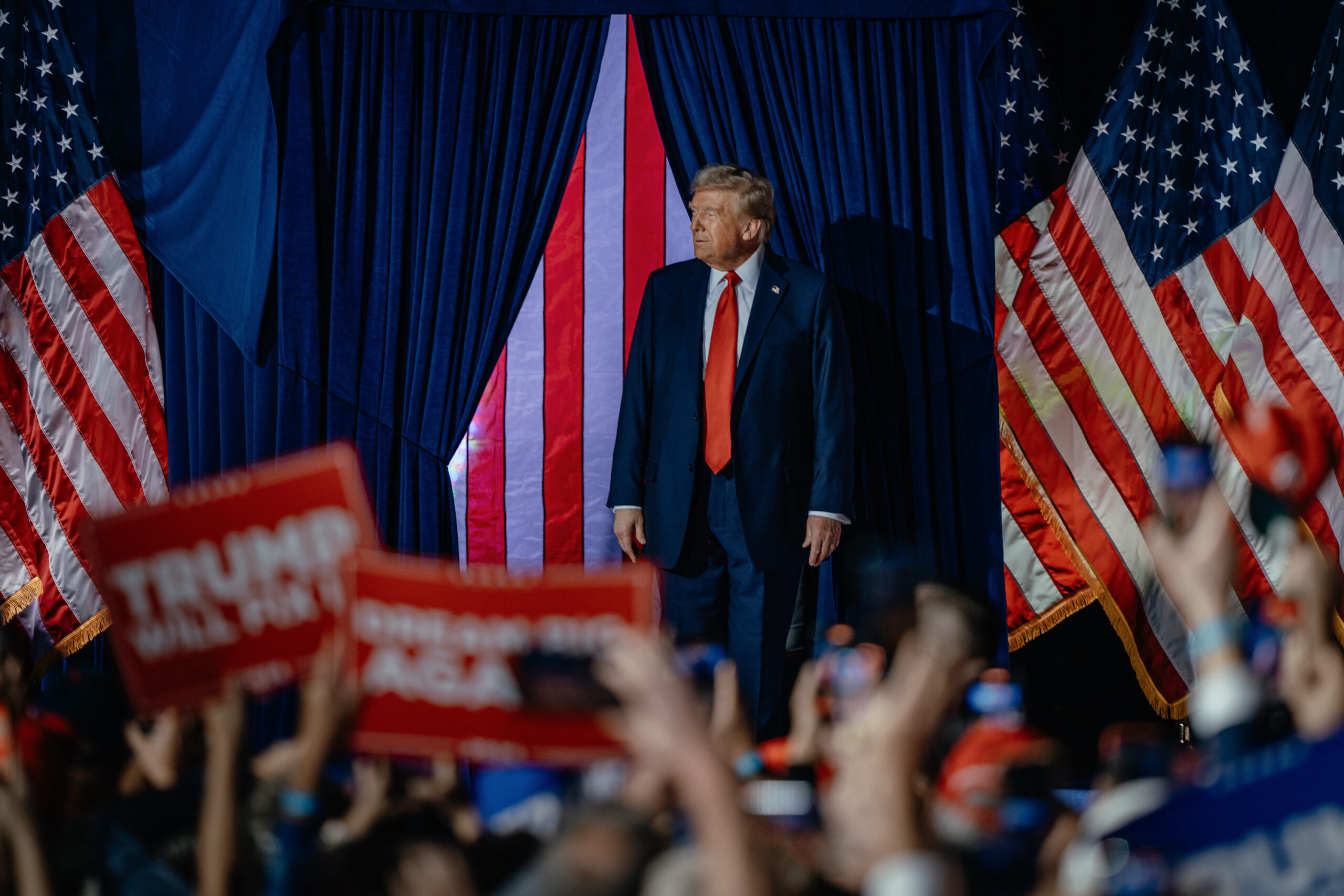
According to a statement from the Trump administration, the restrictions aim to bolster national security and public safety. The announcement detailed that the policies are designed to “garner cooperation from foreign governments, enforce immigration laws, and advance critical foreign policy and counterterrorism objectives.”
In a related series of actions, the administration previously announced travel restrictions affecting 19 countries, including Afghanistan, Cuba, and Venezuela. The latest order imposes comprehensive bans on both immigrant and non-immigrant visas for individuals from countries such as Burkina Faso, Laos, Mali, Niger, and Syria.
The inclusion of Antigua and Barbuda and Dominica in this travel ban reflects ongoing efforts to address perceived deficiencies in screening and vetting processes for foreign nationals. The list of banned nations now totals 19, which includes various countries across Africa and the Caribbean region, with restrictions applying to all visa categories, including tourist, student, and exchange visas.
The announcement of the travel ban has raised concerns among citizens in the affected nations, particularly those who rely on travel to the U.S. for economic opportunities, education, and family connections. As the policy unfolds, its implications for diplomatic relations and tourism will be closely monitored by both government officials and citizens in the Caribbean.
The expansion of the travel ban highlights ongoing tensions in U.S. immigration policy, as the administration seeks to address national security concerns while balancing international relationships. The impact of this policy will likely resonate in both the U.S. and the Caribbean, prompting discussions on cooperation and security measures in the years to come.