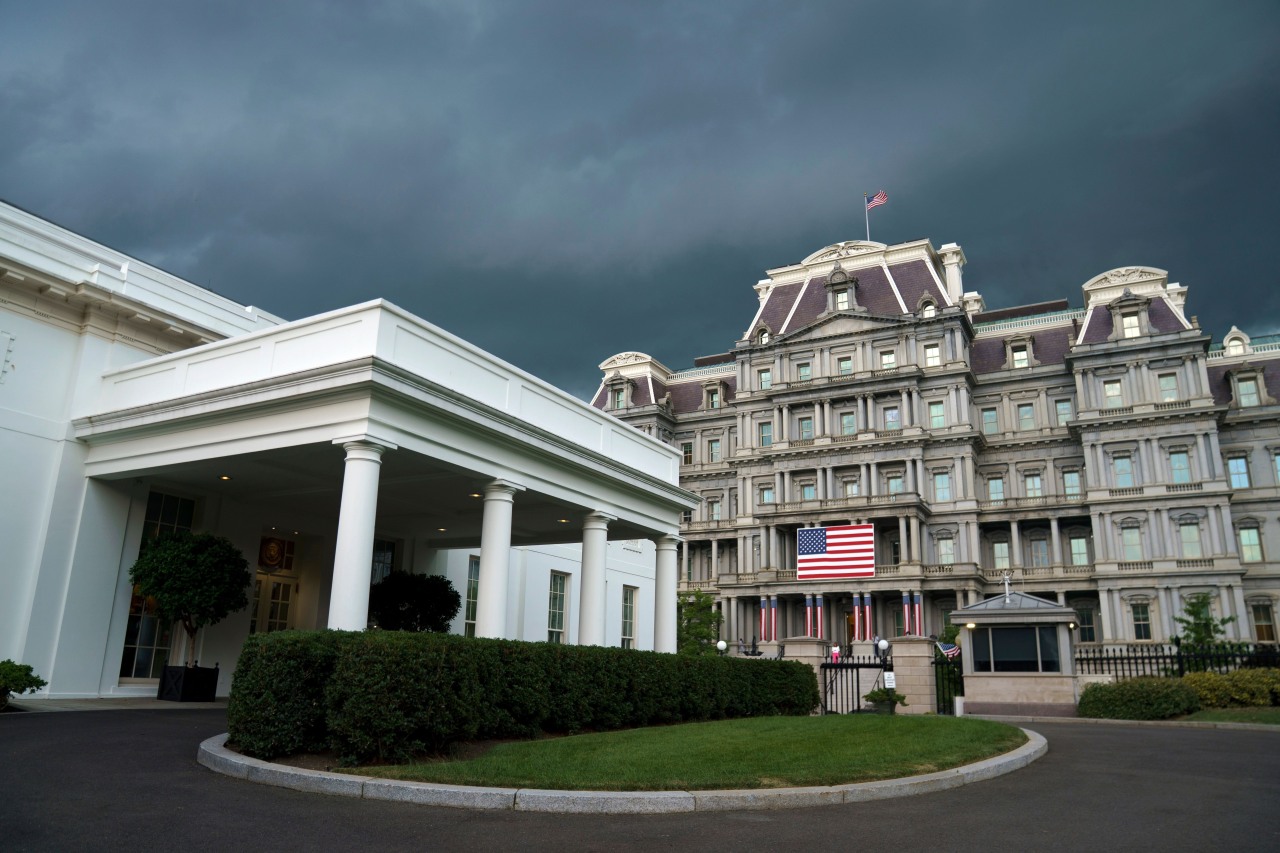
Former President Donald Trump has initiated a series of renovation projects at the White House, leading to a growing legal dispute with neighboring residents. His plans, which include repainting a prominent federal building white and constructing a new ballroom within the historic residence, have raised significant concerns among those living nearby.
The proposed enhancements aim to modernize and enhance the aesthetic appeal of the White House. However, this ambitious effort has not been without its complications. Local residents have voiced their objections, citing potential disruptions and alterations to the character of the neighborhood. As a result, legal challenges have emerged, complicating Trump’s renovation efforts.
Details of the Renovation Plans
Trump’s renovation plans include a complete repainting of the iconic Eisenhower Executive Office Building, a structure that houses various offices for the President’s staff. The intention to change the color to white is intended to create a more uniform look with the White House itself. Additionally, plans to build a new ballroom are aimed at providing more space for hosting official functions and events.
These ambitious renovations are estimated to cost several million dollars, although exact figures have not been disclosed. Critics argue that such expenditures are inappropriate given the ongoing budget concerns in the federal government. They contend that funds could be better allocated to pressing national issues.
Legal Challenges and Community Response
The legal challenges stem from a coalition of neighbors who have formed to oppose the renovations. They claim that the construction and painting will lead to increased noise, traffic, and a decline in property values. According to local legal experts, the residents have grounds to challenge the plans based on zoning laws and regulations that govern alterations to historic buildings.
In response to the ongoing legal disputes, Trump’s representatives have expressed confidence in the legality of the renovation plans. They argue that any changes made will enhance the historically significant site while still adhering to necessary regulations. The former President’s team emphasizes that the renovations will ultimately benefit not only the White House but also the broader community.
As the situation develops, it remains to be seen how the legal battles will unfold and whether the renovations will proceed as planned. The outcome may set a precedent for how future modifications to government buildings are handled, particularly in residential areas.
The ongoing feud highlights the often contentious relationship between government projects and local residents, raising questions about community involvement in the decision-making processes that affect their neighborhoods.