Donald Trump has announced plans to implement a 10% tariff on several European nations, including Denmark, Norway, Sweden, France, Germany, the United Kingdom, the Netherlands, and Finland, beginning on February 1, 2024. This tariff is set to increase to 25% on June 1, 2024, unless the United States is granted permission to purchase Greenland. Trump’s insistence on acquiring Greenland stems from his claims of national security concerns, suggesting that if the U.S. does not take control of the territory, it risks allowing Russia and China to do so.
Greenland is believed to harbor some of the world’s largest untapped deposits of rare earth minerals, which are vital for technology manufacturing and advanced military capabilities. Currently, China dominates the global supply chain for these minerals. Gaining access to Greenland’s resources could significantly alleviate U.S. economic and military dependency on Chinese exports.
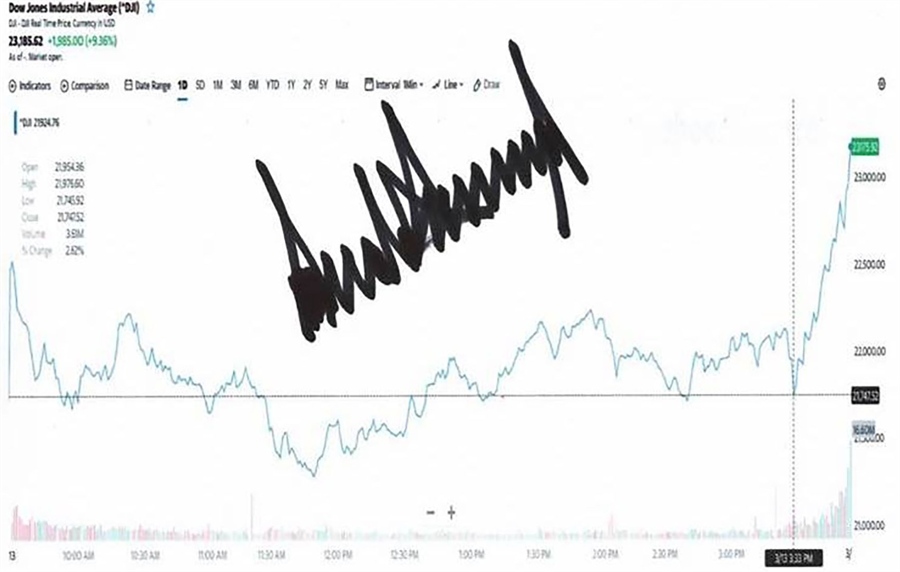
Since assuming office, Trump has leveraged tariff threats as a means of coercing other countries into compliance with U.S. demands. This strategy has included setting future dates for tariff implementation to exert pressure during negotiations. Historically, Trump has managed to extract concessions or ultimately retreated from his threats, leading to the coined term “TACO,” which stands for “Trump Always Chickens Out.” This pattern has created a cycle where markets initially react negatively to his threats, but often rally as negotiations progress or when he backs down to avoid damaging the economy.
Trump’s affinity for the stock market as a measure of his success is well documented. He frequently touts record highs as a reflection of his policies. With the midterm elections approaching, it is likely that he will be cautious about pursuing aggressive tariffs that could potentially weaken market performance.
The upcoming World Economic Forum in Davos, scheduled from January 19 to 23, 2024, presents an opportunity for Trump to engage with other global leaders, including those from the G7. Trump is expected to attend on January 24, which may facilitate a significant dialogue regarding trade relations. Should he adopt a de-escalatory tone in any discussions, it could lead to a positive market response.
As the focus shifts to this latest trade conflict, investors are advised to remain vigilant. Even if initial reactions to Trump’s tariff threats appear negative, the market may eventually recover. Nonetheless, potential gains could be limited if concerns continue to linger. Observers should watch for developments over the coming days and weeks, which may create trading opportunities as the situation unfolds.