Donald Trump has recently asserted that Cuba is on the verge of economic collapse, urging the island nation to negotiate a deal before it’s too late. His comments come in light of Cuba’s deteriorating economic conditions, which have worsened since the imprisonment of Venezuelan leader Nicolas Maduro, a key ally and source of economic support for the Cuban regime.
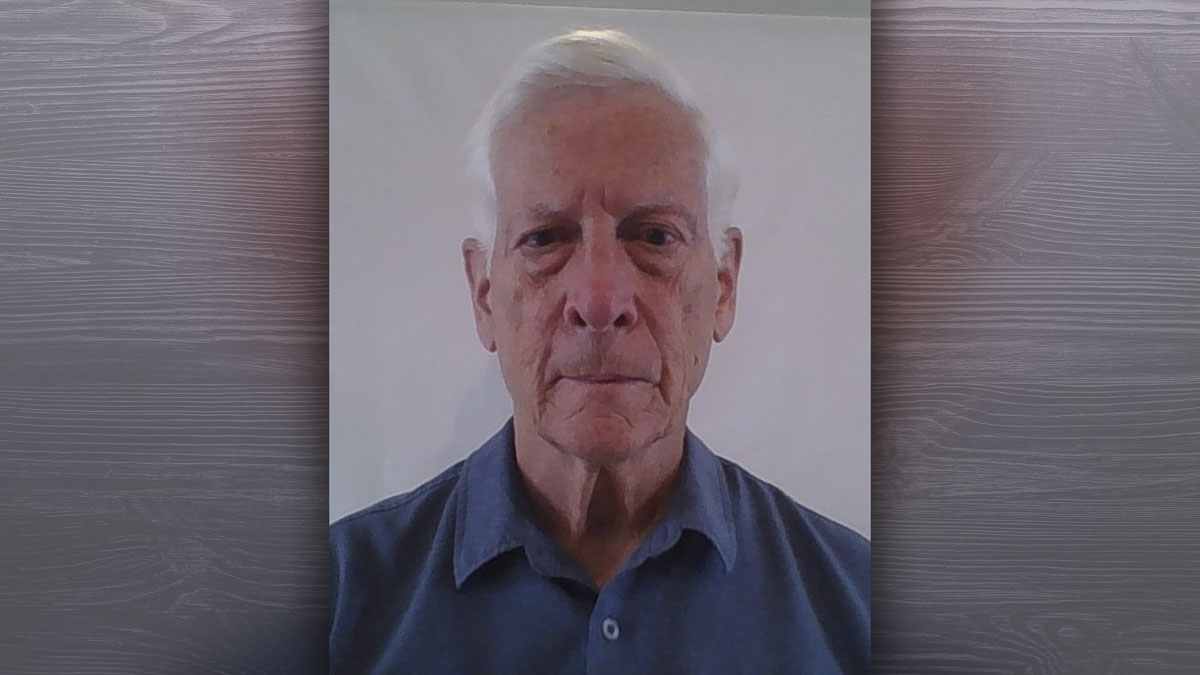
Cuba’s current president, Miguel Diaz-Canel, took office in April 2018, succeeding Raul Castro, Fidel Castro’s younger brother. Born after the 1959 Cuban Revolution, Diaz-Canel represents a new generation of leadership but lacks the direct experience of dealing with U.S. presidents that Fidel Castro had. Fidel, who passed away in 2016, was known for his diplomatic maneuvering, particularly during tense times in U.S.-Cuban relations.
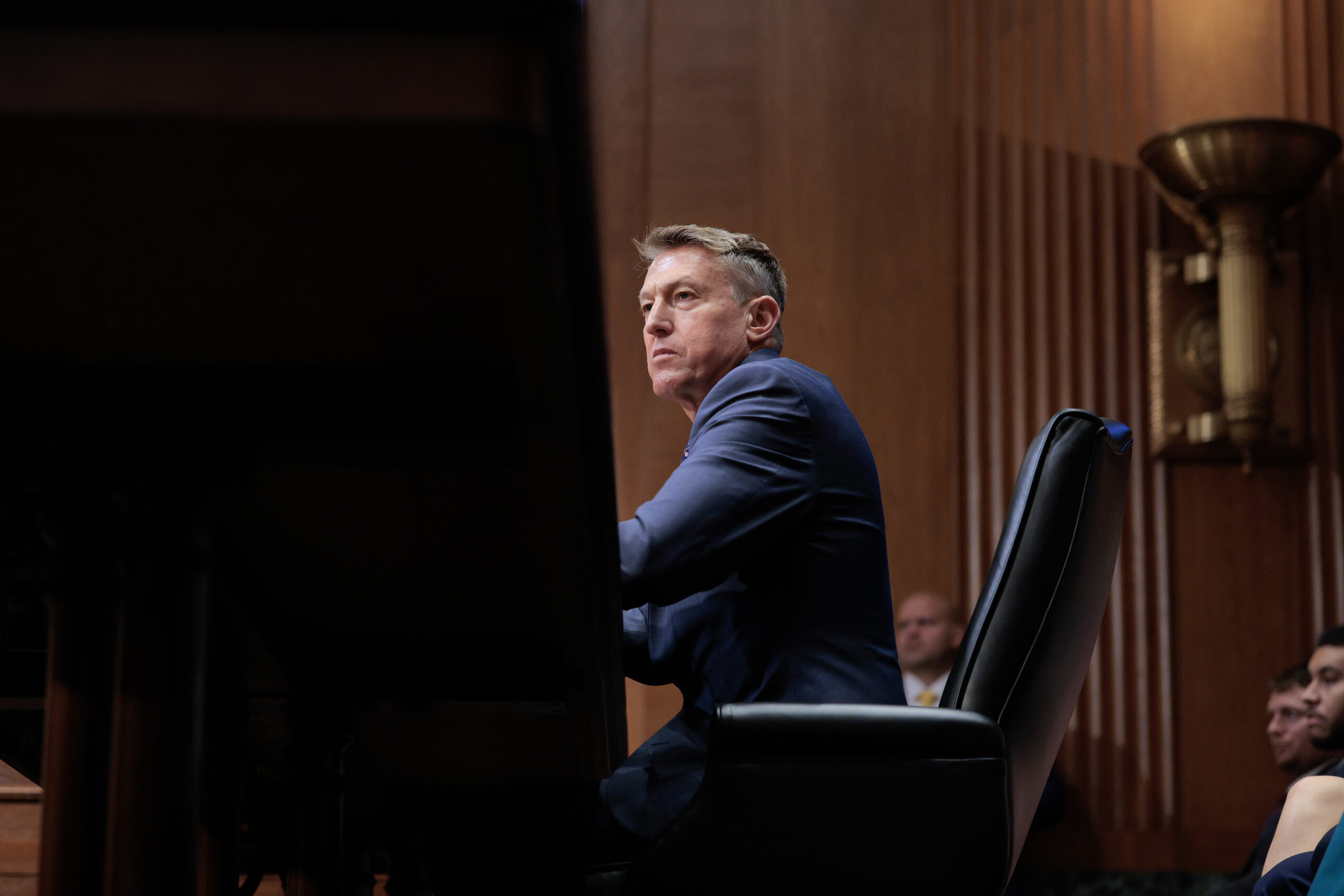
Trump, in a recent post on Truth Social, stated, “Cuba is ready to fall… they got all of their income from Venezuela, from the Venezuelan oil. They’re not getting any of it.” He declared that there would be “zero” financial support coming from Venezuela, indicating dire consequences for the Cuban economy.
In response, Diaz-Canel asserted that “Cuba is a free, independent, and sovereign nation,” echoing sentiments once expressed by Maduro himself. The loss of Venezuelan support, which provided crucial oil and financial aid, has left Cuba in a precarious situation.
Historical Context and Leadership Challenges
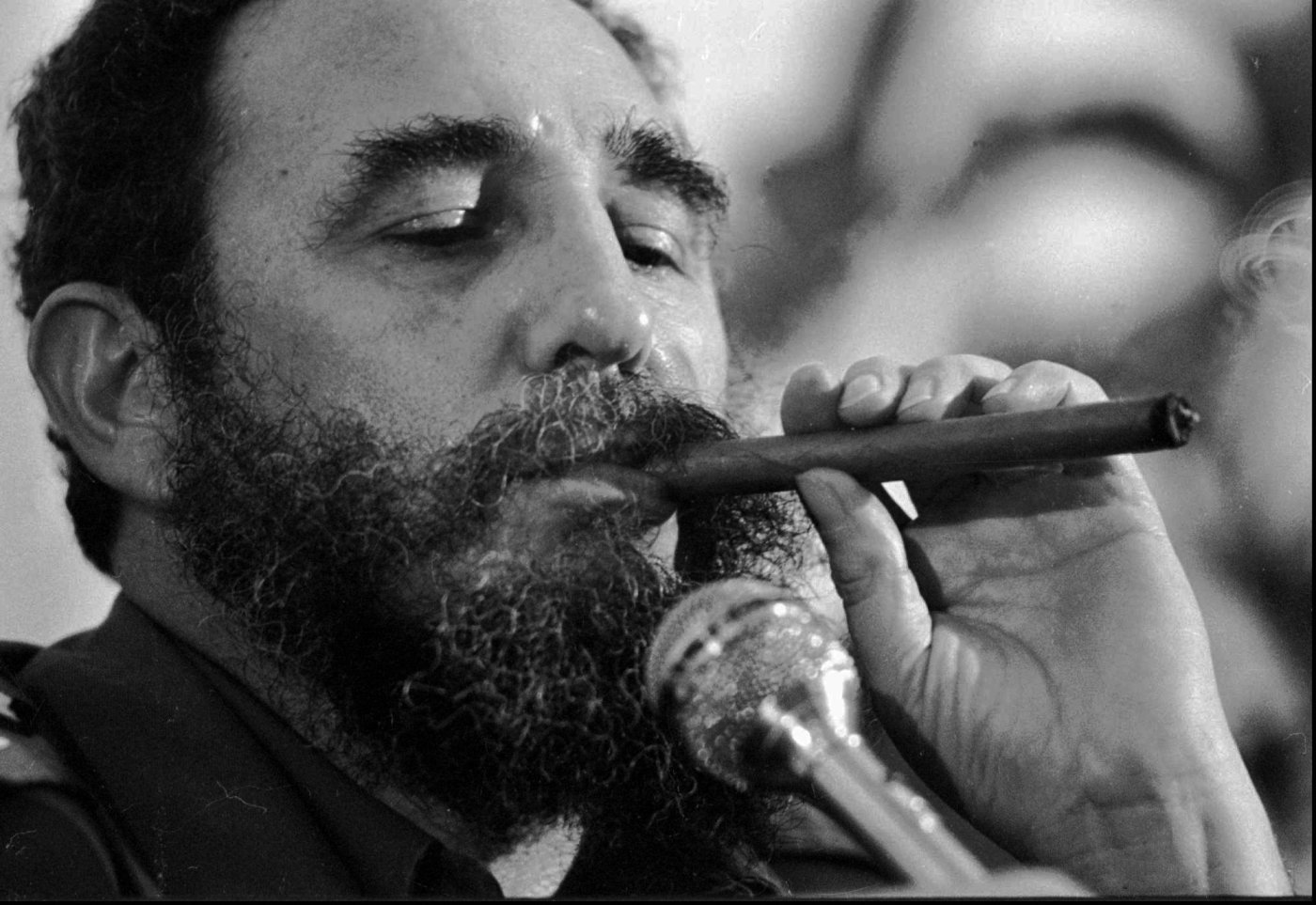
Historically, Fidel Castro was adept at navigating complex political landscapes, using his charisma and negotiation skills to maintain power and secure support from allies. His leadership style was characterized by a mixture of defiance and pragmatism, allowing him to engage with various U.S. administrations while still asserting Cuba’s sovereignty.
During a visit to Cuba in 1984 to cover Jesse Jackson‘s campaign for the U.S. presidency, reporters witnessed firsthand Castro’s ability to charm and engage with foreign leaders. Jackson, who was in Cuba to negotiate the release of American detainees, received a lavish reception from Castro, underscoring the leader’s capacity to create favorable narratives even amidst international scrutiny.
While Castro’s legacy is marred by a history of political repression and human rights abuses, his skill in diplomatic relations is evident. Diaz-Canel now faces the challenge of reviving these diplomatic efforts in a changing geopolitical landscape, particularly as Cuba finds itself increasingly isolated.
The Current Crisis and Future Prospects
The current economic crisis in Cuba is compounded by the ongoing fallout from Venezuela’s political turmoil. With Maduro facing numerous drug-related charges in New York, the economic lifeline that Venezuela once provided is all but severed. This shift has forced Cuban leaders to reassess their strategies and seek new avenues for international support.
As Cuba grapples with food shortages and economic instability, the urgency for a new diplomatic approach is apparent. Trump’s call for negotiation may reflect a broader recognition of the need for engagement, even from a former adversary.
The outcome of this situation remains uncertain. The existing leadership must navigate internal pressures and external diplomatic opportunities to stabilize the country. As history shows, Cuba’s ability to adapt and negotiate will be crucial in determining its future trajectory.
Cuban leaders now find themselves at a critical juncture, balancing the legacy of Fidel Castro with the realities of modern geopolitics. The next steps taken by both Cuban leaders and external partners will significantly shape the island’s path forward.