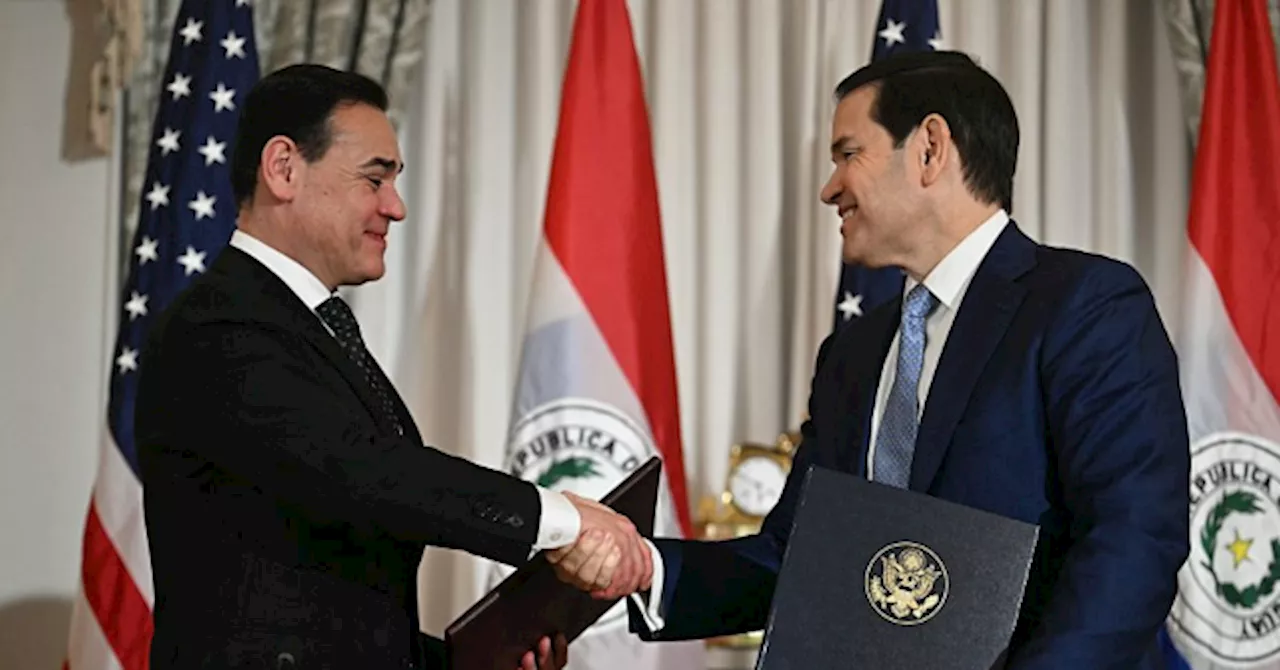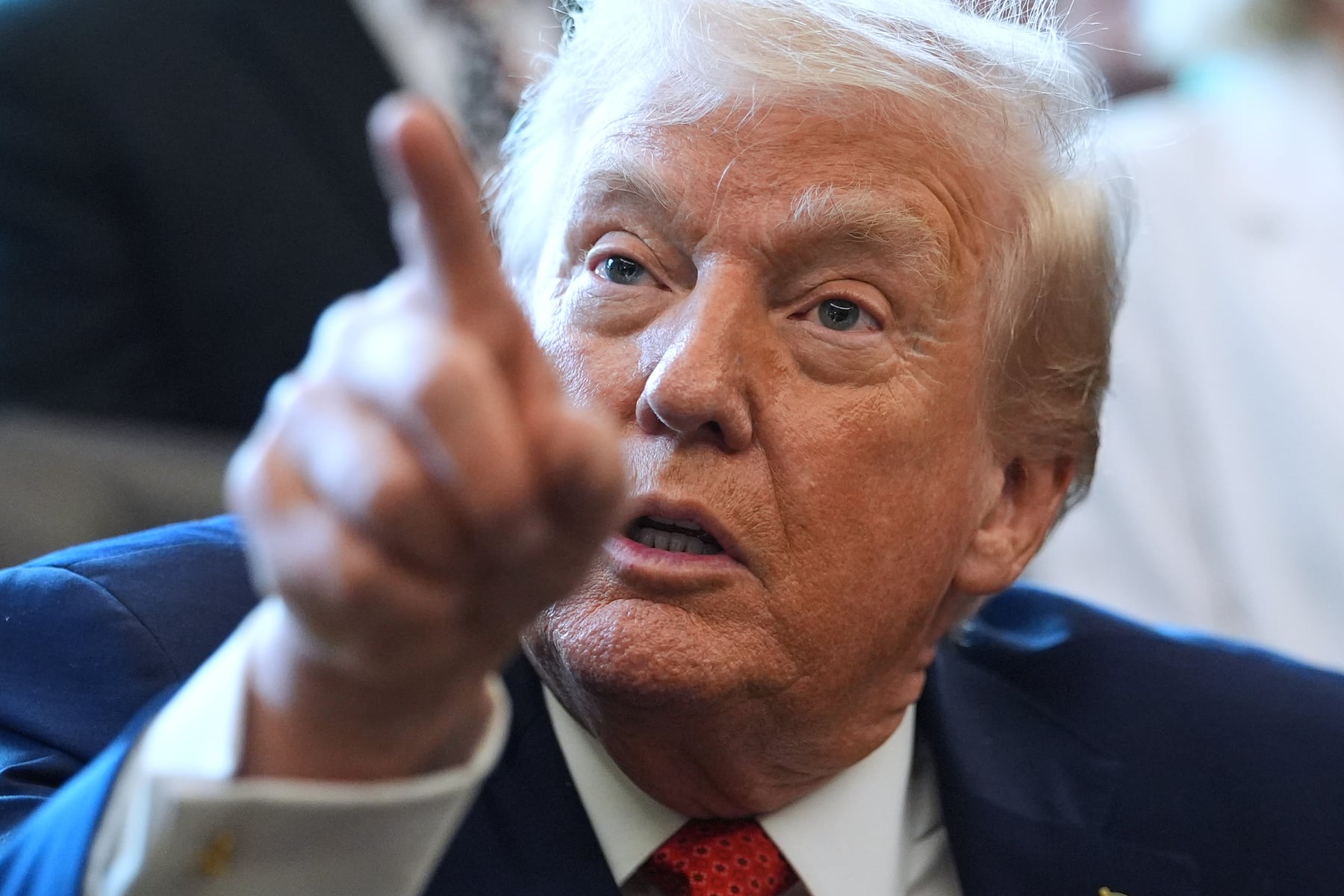
The Trump administration is recalling nearly 30 career diplomats from their ambassadorial and senior embassy positions as part of a broader strategy to align U.S. diplomatic efforts with President Donald Trump’s “America First” agenda. The decision, which impacts diplomats in at least 29 countries, was communicated to the chiefs of mission last week, with their tenures expected to conclude in January 2024.
This shift occurs as the administration seeks to ensure that personnel in key diplomatic roles fully support its priorities. According to two officials from the State Department, who requested anonymity to discuss internal matters, these diplomats had initially taken their posts during the Biden administration but had previously survived an early wave of personnel changes targeting primarily political appointees.
Details of the Diplomatic Changes
On Wednesday, the affected ambassadors began receiving notifications from Washington about their upcoming departures. While they are not losing their positions within the foreign service, they will be offered other assignments in Washington if they choose to accept them. The State Department emphasized that the changes align with standard procedures in any administration, asserting, “An ambassador is a personal representative of the president, and it is the president’s right to ensure that he has individuals in these countries who advance the America First agenda.”
The impact of these removals is particularly pronounced in Africa, where ambassadors from 13 countries will be affected. These include: Burundi, Cameroon, Ivory Coast, Madagascar, Nigeria, and Uganda, among others. In Asia, changes will occur in six nations, including the Philippines and Vietnam. Additionally, four European countries—Armenia, Macedonia, Montenegro, and Slovakia—along with two countries in the Middle East and two in South and Central Asia will also see shifts in their diplomatic leadership.
Reactions and Implications
The decision to recall these diplomats has raised concerns among some lawmakers and the union representing American diplomats. Critics argue that such moves could undermine U.S. diplomatic relations and continuity in various regions.
“These changes could disrupt the critical work that ambassadors do in fostering relationships and promoting U.S. interests abroad,”
stated a representative from the American Foreign Service Association.
As the Trump administration continues to reshape its diplomatic approach, the implications of these personnel shifts will likely be closely scrutinized by both domestic and international observers. The ongoing adjustments reflect a broader strategy aimed at aligning U.S. foreign policy with the current administration’s priorities, but they also underscore the complexities and challenges inherent in international diplomacy.