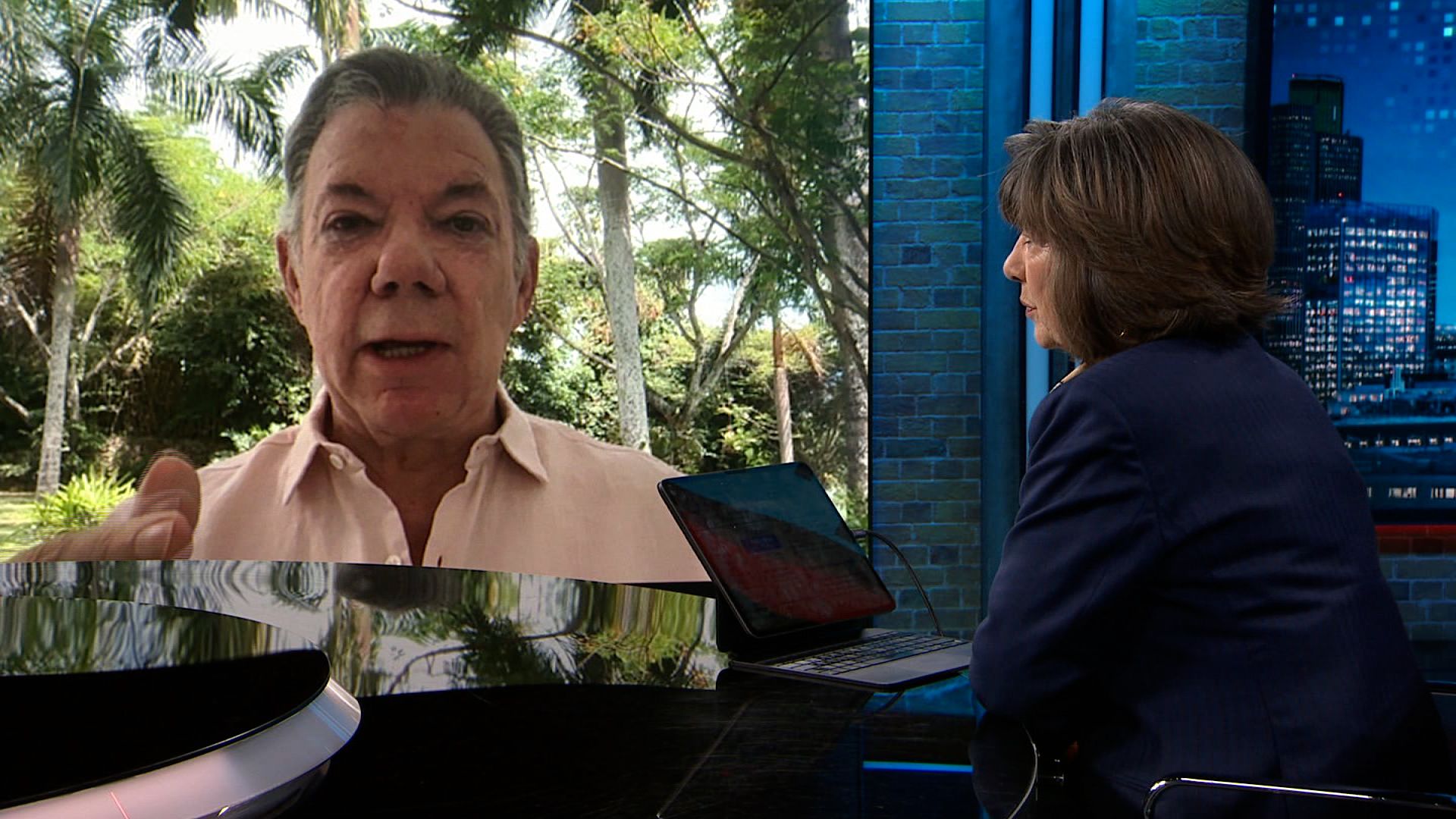
Tensions between US President Donald Trump and Colombian President Gustavo Petro have escalated recently, marked by a series of public insults. Despite this discord, the crucial anti-drug partnership between the United States and Colombia remains robust, with ongoing collaboration between Colombian authorities and the US Drug Enforcement Administration (DEA).
Colombian officials report a strong working relationship with the DEA, characterized by intelligence sharing and operational support. Brig. Gen. Ricardo Sánchez-Silvestre of the Colombian National Police’s anti-narcotics directorate highlighted their achievements, stating, “This year we have seized 446 tons of cocaine hydrochloride,” which translates to more than one ton of cocaine seized every day. He referred to this as “historic,” underscoring the significant impact of coordinated efforts with both military forces and international partners.
As seizures soar, there are growing concerns among law enforcement regarding the safety of DEA agents in Colombia. This anxiety stems from Trump’s comments regarding Petro and the US military operation against Venezuelan leader Nicolás Maduro. A source familiar with DEA operations noted that such rhetoric could put personnel at risk.
In a surprising turn, Trump recently communicated with Petro, adopting a friendlier tone and even suggesting an invitation to the White House. This shift contrasts sharply with their previous exchanges, where Trump accused Colombia of failing to curb drug production and trafficking. In a post from October, he criticized the financial support provided to Colombia, referring to it as a “long-term rip off of America.” Petro has retaliated, condemning US military involvement in Venezuela, further complicating their diplomatic relations.
Despite the ongoing feud, US agents within Colombia maintain a high regard for the Colombian National Police and its specialized DIRAN unit, where DEA agents are embedded for joint operations. Current and former law enforcement officials emphasize that this collaboration has been fruitful, contributing to record drug seizures and arrests. The DEA’s presence in Colombia has grown significantly, making it the agency’s largest foreign operation, and its effectiveness remains unaffected by the political tensions.
Financial assistance from the US has also continued, despite Trump’s threats to cut funding. The US provided approximately $210 million in aid to Colombia this fiscal year, including $31 million for agricultural support, according to the US Department of State. Sánchez confirmed that this aid is vital, stating, “They support our aviation, they support us with training, they support us with technology.” He emphasized that the exchange of information is crucial for understanding and combating drug trafficking.
The relationship between the DEA and Colombia stands in stark contrast to its interactions with Mexico, where ties have been strained at times. Tensions peaked during Trump’s presidency and into the Biden administration, when Mexico briefly refused to grant visas to DEA agents following a controversial arrest of a former Mexican defense minister. This strained relationship has hindered efforts to curb drug flows from Mexico into the US.
Sánchez warned that any disruption in cooperation between the US and Colombia would benefit criminal organizations. He stated, “If this cooperation did not exist, criminal organizations dedicated to drug trafficking would definitely be winning.” He described the current seizure figures as unprecedented, noting that the fight against drug trafficking in Colombia has reached the highest levels of success in the past 30 years.
The ongoing collaboration between Colombia and the United States in combating drug trafficking continues to yield significant results, despite the political turmoil. Both countries recognize the importance of maintaining this partnership to combat the pervasive threat of narcotics in the region.