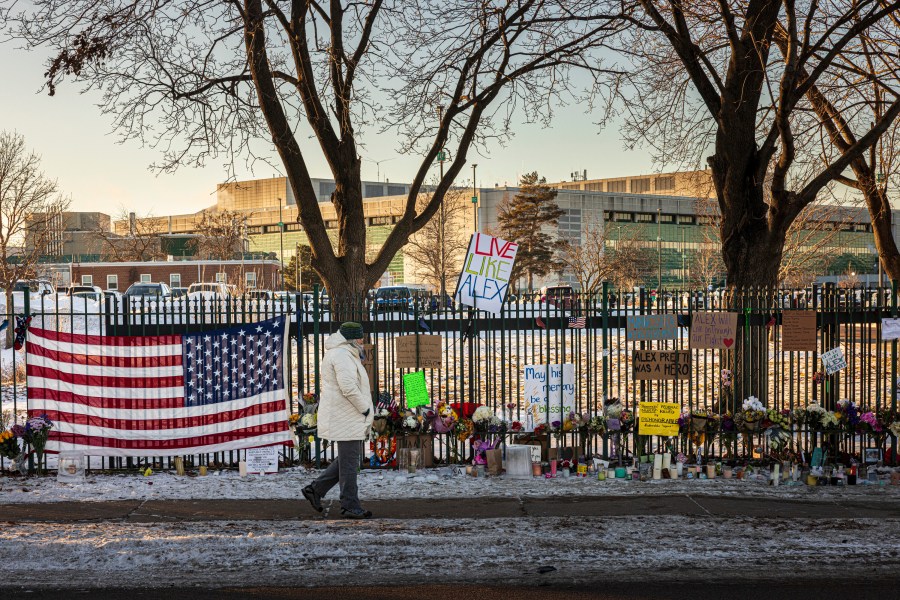
MINNEAPOLIS — President Donald Trump indicated a potential shift towards reducing tensions in Minneapolis following a second fatal shooting involving federal immigration agents. Despite this signal, the streets of Minneapolis showed minimal signs of change on Wednesday, reflecting ongoing unrest after weeks marked by intense rhetoric and confrontations with protesters.
The recent shooting incident, which resulted in the death of a local man, reignited protests across the city. Demonstrators have expressed growing frustration over the actions of federal agents, accusing them of exacerbating tensions rather than helping to resolve conflicts. Many protesters have criticized the government’s approach to immigration enforcement, which they argue disproportionately impacts communities of color.
In an apparent effort to address the concerns raised by the community, Trump announced a leadership change within the federal immigration agency. This shift aims to bring about a more collaborative approach to public safety and immigration policies. However, local officials and community leaders expressed skepticism about the effectiveness of such changes without substantial action on the ground.
Local residents have voiced their disappointment, stating that they continue to feel a lack of safety and support. “We need to see real changes, not just words,” said Maria Gonzalez, a community organizer. “The people here are hurting, and we need our leaders to listen.”
The recent developments also highlight the broader national conversation surrounding policing and immigration enforcement. As protests continue in various cities across the United States, many are calling for systemic reforms aimed at addressing the root causes of violence and inequality.
In response to the unrest, Minneapolis Mayor Jacob Frey emphasized the importance of dialogue between the community and federal agencies. “We are committed to finding solutions that prioritize safety for all residents while respecting their rights,” Frey stated.
The situation remains fluid, with community members planning further demonstrations to demand accountability and change. As the local and national dialogue continues, many are watching closely to see whether the administration’s recent signals will translate into tangible improvements on the streets of Minneapolis.
While the President’s remarks suggest a potential willingness to ease tensions, the community’s response will likely determine the effectiveness of these efforts moving forward. The coming days may prove critical in shaping the future of relations between federal authorities and local communities in Minneapolis.