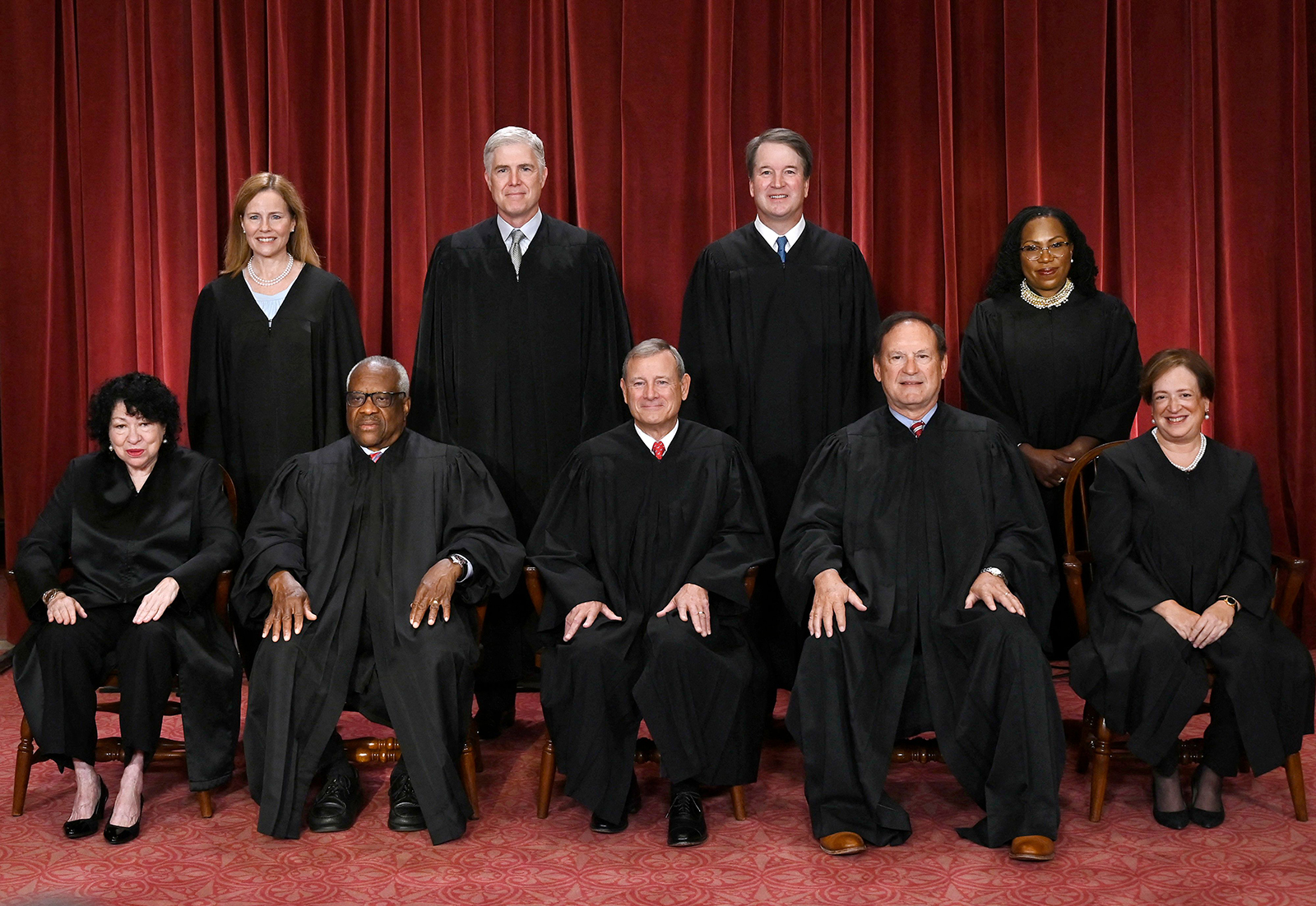
The U.S. Supreme Court issued a significant ruling on March 1, 2024, invalidating a substantial portion of former President Donald Trump‘s tariff regime. The decision, rendered in a 6-3 vote, underscores the importance of the separation of powers enshrined in the Constitution. Chief Justice John G. Roberts Jr. clarified that the authority to impose tariffs, which can be viewed as a form of taxation, is a power that rests solely with Congress.
The court’s ruling does not evaluate the merits of the tariffs themselves but recognizes them as a major tax that requires legislative approval. This principle aligns with the historical sentiment expressed in the Revolutionary slogan “no taxation without representation.” Taxing citizens without the consent of their elected representatives undermines the democratic framework of the United States.
The tariffs challenged in this case had not received approval from Congress. Trump asserted that the International Emergency Economic Powers Act (IEEPA), enacted in 1977, provided him with the necessary authority. Although IEEPA mentions the ability to “regulate … importation,” the court found this interpretation insufficient. Roberts emphasized that the president cannot claim such broad powers based on vague legal language, stating, “Based on two words separated by 16 others, the President asserts the independent power to impose tariffs on imports from any country.”
The court’s decision reflects concerns regarding the chaotic nature of Trump’s tariff adjustments. The opinion notes that the former president’s interpretation of the law allowed him to issue numerous modifications at will, leading to uncertainty for businesses as they sought exemptions and special provisions.
While Congress has enacted laws granting the executive branch specific powers to impose tariffs, these laws come with procedural safeguards and limitations. The Supreme Court noted that Trump’s attempt to utilize IEEPA bypassed these essential checks, resulting in an arbitrary and unpredictable tariff landscape.
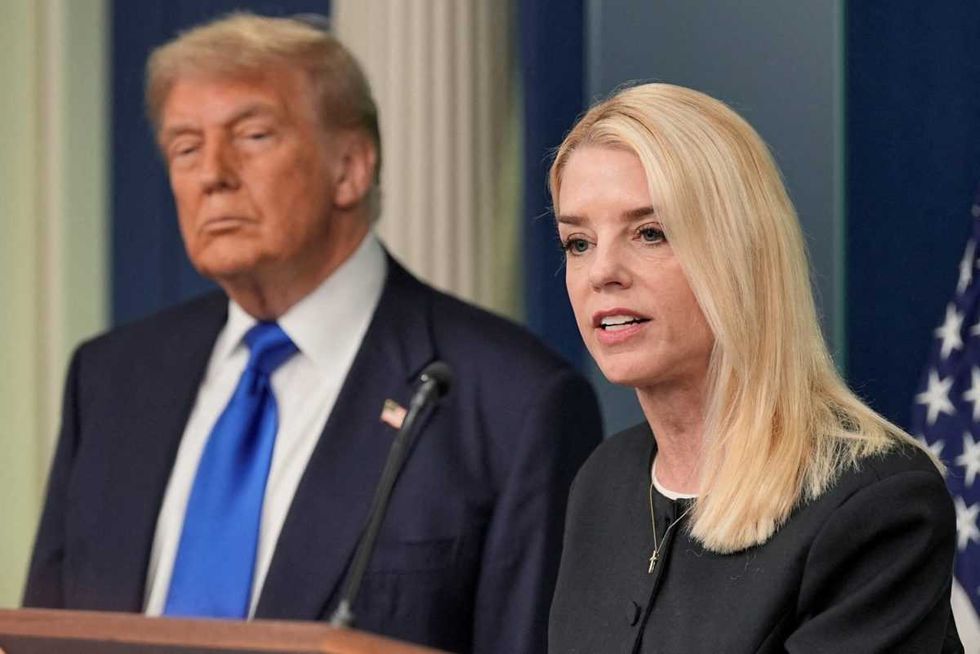
In response to the ruling, the Trump administration signaled intentions to restore many tariffs under different legislative frameworks. Following the decision, Trump announced a new 10 percent global tariff, authorized for a duration of up to 150 days. This comes as the quarterly economic growth rate was reported at just 1.4 percent, below expectations, possibly prompting the former president to reconsider his approach ahead of the upcoming midterm elections.
The dissenting opinion, led by Justice Brett M. Kavanaugh and supported by Justices Samuel A. Alito Jr. and Clarence Thomas, argued that the court should apply less scrutiny to tariff-related decisions due to their implications for foreign affairs. Kavanaugh’s rationale suggests that the “major questions doctrine,” which aims to limit presidential overreach in domestic matters, should not extend to tariffs.
Critics of this viewpoint point out that tariffs directly affect U.S. companies and consumers, raising questions about the validity of distinguishing tariffs as merely foreign affairs. Moreover, as Justice Neil M. Gorsuch noted in a separate opinion, the Supreme Court has previously applied similar scrutiny to issues intersecting with foreign relations, such as climate regulations and pandemic responses.
The Supreme Court’s latest ruling has sparked debates regarding its perceived independence from political influences, particularly in light of previous criticisms suggesting the court was aligned with Trump’s agenda. The court has also ruled against other initiatives from the former president, including immigration policies and military deployments.
While this decision is a notable affirmation of the Constitution’s framework, it simultaneously highlights the need for Congress to actively engage in its legislative responsibilities. The call for congressional action is clear: effective governance requires collaboration and adherence to the principles of representation and accountability.